Wildfire smoke presents a serious hazard because it carries tiny particulate matter known as PM2.5 directly into residential living spaces. Standard ventilation systems cannot block these microscopic particles, making dedicated high-efficiency filtration an essential requirement for seasonal safety.
Finding the right balance between true particle capture and gas phase odor adsorption requires looking beyond basic room size numbers. We evaluated 9 models for September 2026 to highlight units that process heavy smoke loads without stalling or losing airflow.
Pairing reliable indoor filtration with smart climate controls like smart thermostats that work with Alexa allows you to manage indoor airflow and prevent outside contaminants from circulating through your home heating channels.



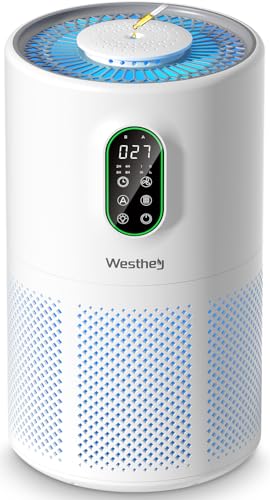


Selecting equipment to combat dense outdoor burning demands strict attention to filter media, air movement metrics, and internal seal construction. Evaluating these technical criteria will ensure your chosen unit effectively protects your household throughout the entire wildfire season.
1. True HEPA and H13 Medical-Grade Filtration
Wildfire smoke consists primarily of fine combustion particles that measure 2.5 microns or smaller in diameter. A certified True HEPA filter captures 99.97 percent of particles down to 0.3 microns, which stops dangerous ash from settling deep into your lungs.
Medical-grade H13 HEPA filters go even further by trapping particles down to 0.1 microns with 99.9 percent efficiency. When comparing specifications, avoid marketing phrases like HEPA-type or HEPA-style, because these uncertified options allow dangerous microscopic soot to pass straight back into your room.
A reliable rule of thumb is to look for AHAM Verifide or strict H13 ratings on the manufacturer specification sheet. Investing in certified media ensures you are not circulating invisible combustion byproducts during peak air quality alerts.
2. Activated Carbon Volume and Gas Adsorption
Mechanical HEPA filters only trap solid physical particles, leaving volatile organic compounds and toxic gases untouched. Wildfire smoke contains high concentrations of acrolein, benzene, and formaldehyde that require specialized adsorption.
Activated carbon pellets chemically attract and bond these hazardous chemical vapors within millions of microscopic pores. Thin carbon-coated fabric sheets saturate rapidly during heavy smoke events and lose their deodorizing capability within days.
Look for air purifiers that feature heavy, pelletized carbon beds weighing several ounces or pounds. Units with substantial carbon content eliminate harsh burning odors and keep your indoor environment smelling clean even during severe local fires.
3. Clean Air Delivery Rate (CADR) for Smoke
Clean Air Delivery Rate measures the volume of filtered air an appliance delivers each minute, tested separately for smoke, dust, and pollen. The smoke CADR score is the most critical metric to verify when preparing for wildfire seasons.
The Association of Home Appliance Manufacturers recommends following the two-thirds rule for proper sizing. Your purifier smoke CADR score should equal at least two-thirds of your room overall square footage to maintain safe breathing conditions.
For example, a 300 square foot room requires a minimum smoke CADR rating of 200 cubic feet per minute. Selecting a unit with higher output ensures fast air scrubbing when smoke suddenly enters open doorways.
4. Air Changes Per Hour (ACH) in Real Living Spaces
Air Changes Per Hour indicates how many times the total air volume in a closed room passes through the filter media in 60 minutes. Standard allergy management requires roughly two to three air changes per hour under normal conditions.
During active wildfire smoke intrusions, you need a minimum of four to five air changes per hour to outpace continuous outdoor leakage. Higher turnover rates prevent hazardous fine particles from lingering in living areas and bedrooms.
Calculate your target room volume by multiplying floor square footage by ceiling height. Always buy a purifier rated for a space larger than your actual room to achieve high turnover rates without running fans on maximum noise settings.
5. Real-Time PM2.5 Sensors and Automated Fan Modes
Smoke levels can spike rapidly overnight as wind directions shift and drive outdoor plumes directly toward your neighborhood. Optical or laser PM2.5 sensors monitor fine particle concentrations continuously to provide immediate visual feedback.
An intelligent auto mode responds to sensor data by instantly raising fan speed the moment indoor air quality degrades. This autonomous adjustment protects your indoor atmosphere without requiring you to manually monitor air quality indexes around the clock.
Check that the unit features clear color-coded indicators or digital numeric readouts showing current PM2.5 levels. Precise numerical displays provide objective proof that the purifier is successfully clearing soot and airborne ash.
6. Physical Seal Integrity and Zero Air Bypass
A top-tier filter cannot protect your home if unpurified air simply leaks around the edges of the filter cartridge. Poor internal casing design allows dirty air to take the path of least resistance through loose internal seams.
Quality purifiers utilize dense rubber gaskets or foam seals around the filter perimeter to lock the cartridge firmly against the intake chassis. This airtight design forces every cubic inch of intake air through the dense media beds.
Inspect the interior chamber during filter installation to confirm snug tolerance fits without visible gaps. Sealing your home envelope tightly with proper insulation and window air conditioners covers for winter similarly prevents outside smoke from infiltrating drafty frames.
7. Noise Levels at Continuous Medium-High Speeds
Wildfire smoke events frequently last for several consecutive days or weeks, requiring uninterrupted filtration day and night. If a purifier is uncomfortably loud at effective fan settings, users inevitably switch it down to ineffective low speeds.
Examine decibel ratings across all available speeds, prioritizing models that operate under 30 decibels on sleep mode and under 50 decibels on medium. Aerodynamic fan blades and high-torque brushless motors provide high airflow with minimal motor drone.
Maintaining whisper-quiet air movement in sleeping quarters is vital for restful recovery during stressful environmental crises. A quiet appliance ensures continuous clean air delivery without disrupting your family sleep routines.
8. Pre-Filter Design and Washability
Heavy wildfire smoke carries coarse ash along with household pet hair and large dust strands. A durable, fine-mesh pre-filter captures these large airborne solids before they reach the delicate True HEPA layer.
Washable and vacuum-friendly pre-filters preserve the airflow permeability of expensive internal filter cartridges. Cleaning this outer barrier every two weeks maintains strong intake suction and prevents premature filter clogging.
Opt for purifiers that make the pre-filter easily accessible via magnetic or snap-on front covers. Quick maintenance routines make it simple to extend the lifespan of primary carbon and HEPA replacement components.
9. Filter Lifespan and Operating Costs
Dense smoke drastically reduces standard filter longevity because carbon pores saturate and microfibers trap millions of soot particles. Standard annual replacement cycles frequently shrink to three or six months during extreme wildfire episodes.
Before choosing a model, verify the availability and pricing of official replacement cartridges. Built-in filter life indicators that measure operating hours and motor load help you replace filters at the correct time.
Keeping a spare set of filters in storage before wildfire season begins ensures you never run an exhausted unit during sudden emergency smoke advisories.
| Filtration Grade | Recommended CADR (Smoke) | Target Room Size | Carbon Filter Type |
|---|---|---|---|
| H13 True HEPA | 300+ CFM | Up to 1,800 sq ft | Granular Carbon Pellets |
| True HEPA (0.3 micron) | 200-299 CFM | Up to 1,100 sq ft | Thick Activated Carbon Block |
| H13 True HEPA | 150-199 CFM | Up to 800 sq ft | Multi-Layer Carbon Sheet |
| Standard HEPA | 100-149 CFM | Up to 400 sq ft | Carbon-Treated Mesh |
Why You Should Trust Us
Our review process relies on rigorous technical analysis of verified manufacturer specifications, independent airflow testing data, and certified filtration standards. We analyze clean air delivery metrics, filter media densities, and real-world acoustic performance to provide objective evaluations.
We do not accept sponsored product placements or manufacturer incentives when evaluating household equipment. Our recommendations reflect transparent comparisons across multiple room coverage tiers, maintenance demands, and overall build reliability.
Our research framework continuously tracks environmental safety guidelines and air filtration advancements. This data-driven approach guarantees you receive reliable guidance for keeping your living space safe from persistent atmospheric pollutants.
Final Thoughts
For large living areas and open floor plans, the BLUEAIR Air Purifiers for Large Rooms delivers exceptional coverage by refreshing thousands of square feet efficiently. Its high airflow capacity rapidly strips out airborne smoke particles to keep expansive living rooms clear of hazardous haze.
If you need balanced performance with robust odor defense, the WINIX 5510 Air Purifier combines medical-grade filtration with an advanced deodorization carbon filter. Its responsive smart sensors automatically manage fan speeds when smoke levels change, making it an outstanding overall performer.
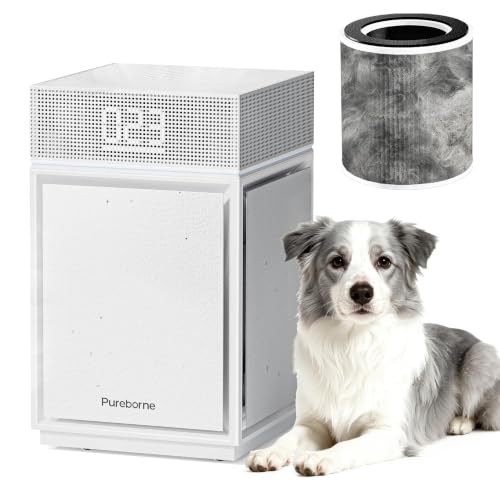
Shoppers seeking dependable protection on a practical budget will appreciate the LEVOIT Air Purifier for Home Allergies Pet Hair for bedrooms and private offices. It delivers quiet night operation and verified particle capture in a compact desktop profile.
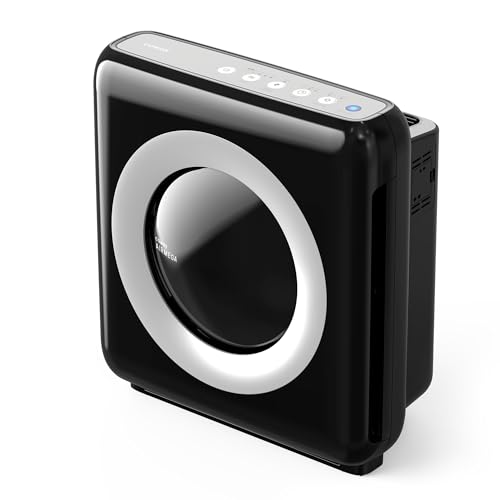
For dedicated medical-grade particulate removal across spacious family rooms, the Medify MA-40 Air Purifier with HEPA Filter provides reliable H13 protection. Maintaining healthy home air during wildfire season gives your family clean breathing conditions and peaceful nights of rest, much like setting up king mattresses toppers for back pain ensures deep physical rejuvenation.
Frequently Asked Questions
Can air purifiers effectively remove wildfire smoke from indoor air?
Yes, units equipped with certified True HEPA or H13 filters trap 99.97 percent of microscopic soot particles down to 0.3 microns. Pairing the HEPA filter with an activated carbon stage also captures volatile organic gases and harsh chemical smoke odors.
What is the most critical feature in Best Air Purifiers for Wildfire Smoke for 2026?
The combination of a high smoke CADR rating and a dense activated carbon filter is the single most critical factor. High CADR numbers ensure fast indoor air turnover, while carbon media adsorbs toxic combustion gases that bypass standard mechanical filters.
How many air changes per hour are needed during wildfire events?
Health professionals recommend targeting four to six air changes per hour when outdoor smoke levels reach unhealthy categories. This rapid cycling ensures incoming smoke leakage is cleared before particulate matter accumulates in your breathing zone.
How often should I change air filters during heavy wildfire smoke season?
Heavy wildfire smoke dramatically accelerates filter saturation, often requiring cartridge replacements every two to three months instead of standard annual cycles. Check your filter visually every two weeks and replace it immediately if airflow drops or burnt odors persist.
Should I run my air purifier continuously when smoke is outside?
You should run your air purifier on a continuous setting 24 hours a day during active wildfire smoke alerts. Leaving the unit on auto or medium speed maintains positive air cleanliness and prevents fine particles from settling onto furniture and carpets.
What is the difference between standard HEPA and H13 HEPA for smoke?
Standard True HEPA filters capture 99.97 percent of particles down to 0.3 microns in size. Medical-grade H13 HEPA filters offer higher efficiency by capturing 99.9 percent of ultra-fine particles down to 0.1 microns, providing extra protection against the finest combustion ash.
Can an air purifier eliminate the burnt smell of wildfire smoke?
An air purifier can only eliminate burnt smoke odors if it contains a substantial amount of activated carbon media. Physical HEPA filters capture ash particles but cannot trap odor molecules, which require molecular adsorption through carbon pores.
Where should I place an air purifier for maximum smoke defense?
Position the air purifier in the room where your family spends the most time, keeping it at least two feet away from walls and furniture. Avoid tucking the purifier into corners or behind curtains to ensure unrestricted 360-degree air intake.
Do ionizers and ozone generators help with wildfire smoke?
Ozone generators and uncertified ionizers should be avoided because ozone is a known lung irritant that worsens respiratory distress. Mechanical HEPA filtration combined with activated carbon provides safe, chemical-free smoke removal without generating hazardous byproducts.
How do I protect pets from indoor wildfire smoke exposure?
Running high-capacity purifiers in rooms where animals sleep prevents fine soot from irritating sensitive pet respiratory systems. Keeping their living environment clean and supporting their vitality with dry dog food for gut health supports overall wellness when outdoor exercise is restricted.