

Pet owners frequently face the dilemma of balancing household security with pet autonomy. Traditional vinyl flaps let conditioned air escape, allow wild critters inside, and offer minimal defense against intruders. Selecting one of the Best Door-Mounted Smart Pet Doors resolves these issues by using active sensors and motorized locks to control access automatically.
The electronic pet door market has advanced significantly with connected mobile apps, directional collar sensors, and energy-efficient seals. Our September 2026 guide analyzes 7 leading models from brands such as High Tech Pet, PetSafe, tidytech and more across the $109.99 – $699.99 price spectrum. You can also explore our Home & Living section for additional smart home upgrade guides.
Choosing the right unit requires understanding flap mechanics, sensor frequencies, frame weatherproofing, and emergency fail-safes. This guide breaks down the essential criteria to help you select a secure, long-lasting electronic pet portal tailored to your living space.



Investing in an automated door requires careful evaluation of safety mechanisms, structural integrity, and pet comfort. Our detailed criteria below outline how to compare technical specifications before cutting into your exterior or interior doors.
Sensor Technology and Collar Activation
The sensor mechanism determines how reliably the pet door recognizes your animal and grants entry. Common activation methods include RFID tags, ultrasonic transmitters, implanted microchips, and manual touch buttons. High-end ultrasonic systems offer directional sensing so the panel will not trigger when a dog simply walks past.
RFID tags attached to a collar provide reliable selective entry by pairing unique digital codes to the reader. Implanted microchip readers eliminate the need for wearable collar keys, making them ideal for cats that shed standard breakaway collars. Ultrasonic systems typically provide the longest activation range, reaching up to twenty feet on premium models.
When comparing sensor specs, verify whether the system allows customizable trigger distances. A unit with fixed range can trigger prematurely or cause timid pets to hesitate at the threshold. Look for models offering discrete directional sensors that ignore parallel movement along exterior walls.
Keep in mind that RFID systems installed in heavy metal doors may suffer from radio signal interference. If your door panel contains steel or aluminum sheeting, choose ultrasonic hardware or install non-metallic insulation spacers around the cutout.
Motorized Vertical Panels vs Flexible Push Flaps
Smart pet doors generally fall into two structural designs: motorized rigid lifting panels and electronic latching flaps. Motorized doors lift a solid composite or aluminum panel completely out of the way when activated. Push flaps remain stationary until unlocked, requiring the pet to push through with their snout.
Motorized vertical sliders provide superior weatherproofing and eliminate physical resistance, which helps nervous or aging pets. They also prevent clever raccoons or stray neighborhood animals from prying the bottom edges open. Latching flaps cost less to manufacture and consume less standby electricity over time.
Assess your pet’s temperament and physical mobility before choosing a mechanism. Timid dogs frequently refuse to push heavy magnetic flaps, making motorized auto-lift panels the preferred solution. Make sure the motor runs quietly so the operating sound does not startle skittish animals during initial training.
Mechanical lifting systems have more moving parts, which requires occasional track cleaning and lubrication. Ensure the manufacturer uses durable internal gears and provides accessible panels for routine maintenance.
Weatherproofing, Air Seals, and Thermal Efficiency
Exterior pet portals must maintain your home’s thermal barrier against wind, rain, and extreme seasonal temperatures. Poorly sealed frames allow expensive HVAC energy loss and can create cold floor drafts during winter months. High-quality smart doors incorporate airtight silicone gaskets and brush seals around the moving perimeter.
Hermetically sealed motorized panels offer the highest level of wind resistance by creating a complete physical barrier. Look for units with dual-pane or insulated composite panel construction to minimize thermal conduction. Coordinating your home layout with climate-conscious choices from our Furniture & Comfort guides keeps your household cozy year-round.
Check the product’s wind resistance ratings and flap perimeter sealing design before purchasing. Multiple magnetic contact points and interlocking tongue-and-groove tracks prevent wind gusts from blowing panels open. Silicone weatherstripping holds up far better against UV exposure and freezing temperatures than standard foam tapes.
A simple rule of thumb is to inspect the frame’s bottom drainage channel. Exterior doors should feature sloped weep holes to shed driven rainwater away from the home interior and prevent moisture rot inside the door core.
Smart App Connectivity and Remote Scheduling
Wi-Fi connectivity transforms a standalone pet flap into an integrated smart home asset. Dedicated smartphone apps allow homeowners to manage access permissions, monitor pet activity logs, and lock panels remotely. These features give working owners peace of mind by confirming when pets exit or return safely.
Advanced companion apps support individual pet profiles with independent operating schedules. You can set curfew rules that permit outdoor bathroom breaks during daylight while restricting nighttime excursions. Push notifications alert you if an unauthorized animal attempts entry or if the mechanical latch encounters an obstruction.
Check whether the smart door operates locally if your home internet connection drops unexpectedly. Premium connected doors retain programmed schedules in onboard memory chips so routines continue during network outages. Integration with voice assistants like Alexa or Google Home adds hands-free locking convenience.
Look for regular firmware maintenance updates from the manufacturer. Reliable software support ensures uninterrupted app compatibility, resolves connectivity bugs, and enhances home network security protocols.
Anti-Pinch Safety and Obstacle Detection
Motorized pet doors must include active safety sensors to prevent accidental injury while the panel closes. High-torque motors can cause serious harm if a pet stops midway through the opening or trails a tail behind them. Quality doors incorporate optical sensors, tension monitors, and automatic rebound mechanisms.
An anti-pinch auto-retract system detects physical resistance instantly and reverses panel motion upward. Optical infrared safety beams scan the threshold continuously to keep the door open as long as an animal breaks the light path. Soft silicone bumpers along the panel’s bottom edge provide gentle contact cushioning during unexpected stops.
Test safety responsiveness during setup using a soft rolled towel rather than your pet. The closing panel should stop and retract immediately upon touching light resistance. Units lacking auto-rebound sensors should never be installed for unsupervised pet access.
Consider doors with adjustable closure delay timers. Giving hesitant dogs or older pets an extra three to five seconds of open clearance prevents rushed entries and reduces startle reactions.
Power Configurations and Battery Backup Reliability
Automated pet doors require consistent power to drive internal motors, sensors, and wireless transceivers. Common power configurations include direct AC wall adapters, rechargeable lithium battery packs, and replaceable alkaline cells. Each power architecture offers distinct advantages depending on wall outlet placement.
Mains-powered doors deliver continuous performance without worrying about charging schedules or low-battery lockouts. However, power outages can trap pets indoors or leave doors unsecured unless the unit supports an optional backup battery. Pure battery-operated units offer clean, cordless installation but require cell replacements every few months.
Evaluate the distance between your target door and the nearest grounded electrical outlet. Many AC-powered units include extended low-voltage cables designed to tuck neatly under baseboard molding. For exterior installations prone to stormy weather, select a model with an integrated rechargeable backup battery.
Always check the collar sensor battery lifespan before making a final decision. Water-resistant collar tags with three-to-six-month battery endurance minimize maintenance hassles and prevent surprise lockouts while you are away.
Door Cutout Dimensions and Pet Sizing
Accurate sizing ensures your pet moves comfortably without scraping hips or crouching awkwardly. An improperly measured opening causes physical strain and can lead to joint stress over time. Proper sizing requires measuring your pet’s shoulder height, chest width, and ground-to-belly clearance.
The top of the door opening should sit at least one to two inches above the tallest point of your pet’s shoulders. The bottom threshold should rest no higher than three inches off the floor to accommodate puppies or arthritic seniors. Maintaining healthy weight through best dry dog food for gut health also ensures your pet moves smoothly through standard openings.
Cut cardboard mockups matching the manufacturer’s flap dimensions before cutting your exterior door. Have your pet step through the opening while holding treats to confirm adequate clearance on all sides. Factor in potential pet growth if you are outfitting a young puppy or kitten.
Examine the door thickness compatibility range listed in the hardware specifications. Most smart door frames accommodate standard exterior door thicknesses between 1.25 inches and 2.5 inches without requiring aftermarket tunnel extensions.
Frame Construction and Burglary Resistance
Homeowners often worry that adding a pet portal introduces a structural security vulnerability. Flimsy plastic frames can be kicked through or pried open by determined intruders. Sturdy pet doors utilize extruded structural aluminum frames and heavy-duty polycarbonate panels.
Automated steel deadbolts engage automatically whenever the panel lowers to full closure. High-security locking pins prevent external pry tools from lifting motorized panels from the outside. Heavy slide-in security covers allow you to physically board up the portal when leaving home for vacation.
Examine the mounting hardware supplied with the frame package. Heavy-duty through-bolts with smooth interior cap nuts prevent tampering from exterior access points. An aluminum internal frame reinforces the structural integrity of hollow-core metal and fiberglass doors.
Avoid lightweight plastic snap-fit designs for exterior-facing entry points. Robust metal frames withstand harsh sun exposure, resist warping, and prevent large neighborhood animals from forcing their way inside.
Multi-Pet Access Modes and Selective Entry
Households with multiple animals often require nuanced access rules for different pets. For example, a dog may need unrestricted yard access while an indoor-only cat must stay inside. Multi-pet smart doors read unique collar signatures and apply customized directional rules for each pet.
Standard electronic controls offer four distinct operational modes: in-only, out-only, full access, and locked. In-only mode allows outdoor animals to seek shelter inside during unexpected rain while blocking further exit. Out-only mode lets pets leave for morning routines while containing them upon return.
Check the maximum number of digital collar keys or microchips the memory unit can store. High-capacity controllers can store dozens of unique keys, making them suitable for multi-pet homes or boarding setups. Fast-acting digital transceivers switch operating modes within milliseconds as different pets approach.
Look for fail-safe return features that override lockout rules if an authorized pet gets trapped outside. This design ensures your animal can re-enter safely if sudden storms or neighborhood disruptions occur.
Interior vs Exterior Installation Versatility
Smart pet doors are not limited to exterior walls; they also excel at managing indoor living zones. Installing an electronic door on an interior laundry room or basement keeps dog noses out of cat litter boxes and feeding stations. Interior models focus on whisper-quiet operation and compact frame depths.
Interior doors typically feature lighter hollow-core construction, which requires specific mounting brackets and framing sleeves. Exterior doors face wind pressure and temperature shifts, demanding robust perimeter flashing and thermal gaskets. Selecting the right hardware tailored to your specific door type ensures stable operation.
Review the included cutting template and hardware packet before starting your project. Quality kits provide separate screw lengths to fit hollow wooden doors, solid oak slabs, and insulated metal skins. Self-framing designs conceal rough saw cutouts cleanly on both sides of the finished door.
Take time to inspect the clearance surrounding your door’s swing path. Motorized lift housings extend several inches above the cutout and must not collide with standard doorknobs or decorative wall trim.
Smart Pet Door Feature Comparison
The table below summarizes critical specifications across popular automated pet door categories to help you select the ideal design for your home.
| Feature Type | Motorized Vertical Lift | Smart Latching Flap | Microchip Interior Portal |
|---|---|---|---|
| Primary Sensor | Ultrasonic or App Control | RFID Collar Key | Embedded Microchip or RFID |
| Power Architecture | AC Power with Battery Backup | Rechargeable or Alkaline | Button or AA Batteries |
| Weather Sealing | Hermetic Air-Tight Seal | Dual Magnetic Gaskets | Light Brush Weatherstrip |
| Security Mechanism | Automated Steel Deadbolt | Multi-Point Latch | Rotary 4-Way Lock |
| Ideal Pet Size | Medium to Extra Large Dogs | Small to Medium Dogs | Cats and Small Dogs |
Why You Should Trust Us
Our review team approaches pet technology and home automation with meticulous, data-driven analysis. We evaluate mechanical build quality, sensor reliability, software connectivity, and weatherproofing standards across verified manufacturer documentation and user feedback. We concentrate on real-world usability factors to help homeowners avoid costly door replacement errors.
We analyze product specifications against strict industry benchmarks for electrical safety, animal ergonomics, and home security. Our comparisons evaluate power consumption, weather resistance ratings, and mobile app stability over time. You can learn more about our household wellness recommendations in our Health & Family category.
Our team remains completely independent and does not accept sponsored brand placements or free promotional units. We update our guides systematically to account for new firmware releases, upgraded motor assemblies, and modern wireless connectivity protocols. Our goal is delivering objective recommendations based on engineering merits and user value.
Final Thoughts
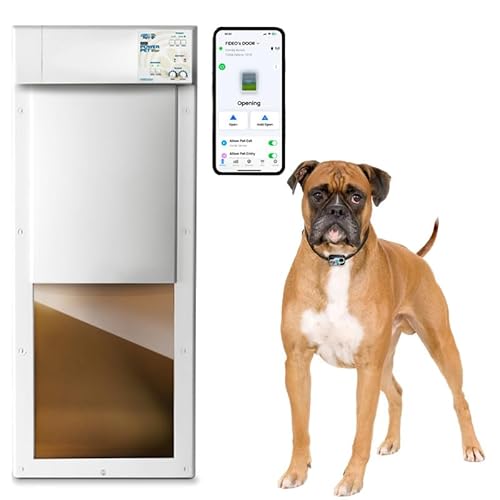
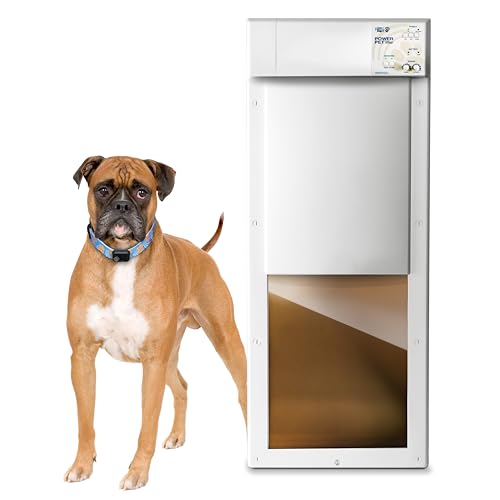
For pet owners seeking the ultimate blend of automation, smartphone monitoring, and structural home security, the Power Pet WiFi Automatic Electronic Pet Door stands out as our top motorized choice. Its directional ultrasonic collar tracking ignores wandering pets, while the motorized vertical panel seals hermetically against seasonal drafts. The integrated mobile app lets you customize 24/7 weekly schedules and receive instant real-time transit notifications.
If you need an affordable interior access portal or have a multi-cat household, we recommend the Smart Cat Door with 4 Collar Sensor Key for its versatility. It features selective RFID recognition and simple four-way locking to isolate feeding stations and litter box rooms without noisy motors. The lightweight frame installs cleanly into interior doors with basic household hand tools.
For mid-sized pets requiring high security combined with microchip support, the PetSafe SmartDoor Connected Pet Door provides a dependable connected solution. Its dynamic weather sealing prevents moisture intrusion while the multi-point electronic lock keeps unwanted outdoor wildlife from pushing inside. App-driven custom schedules give busy homeowners effortless control over daily pet routines.
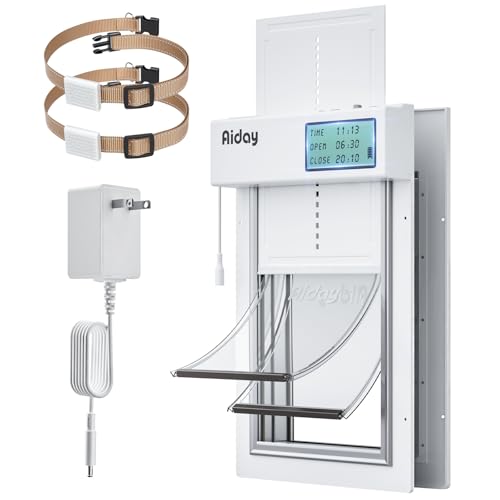
Alternatively, homeowners who want collar-free auto-lifting can consider the Automatic Dog Door for Door,Smart Dog Door with its responsive training doorbell. Selecting an automated door that aligns with your pet’s physical size and household routines ensures long-term comfort, safety, and energy savings.
Frequently Asked Questions
How do Best Door-Mounted Smart Pet Doors prevent stray animals from entering?
Smart doors utilize selective authentication readers that scan for matching RFID collar tags, ultrasonic frequencies, or veterinary microchips. The locking mechanism only disengages when an authorized signal is detected within range. Strays and neighborhood wildlife without a registered tag cannot trigger the motor or open the latch.
Can I install an electronic pet door on a metal or fiberglass exterior door?
Yes, most models mount securely into wood, fiberglass, steel, and composite doors using included templates. However, solid metal skins can attenuate RFID radio signals, so ultrasonic models or non-metallic spacer tunnels are recommended for steel doors. Always verify the manufacturer door thickness compatibility range before cutting.
What happens to my smart pet door during a household power outage?
Mains-powered smart doors often support optional rechargeable backup batteries that maintain operation during blackouts. If a unit lacks battery backup, it will hold its last physical lock state until power returns. Many doors feature manual override thumb turns so owners can secure or open the portal by hand.
Are motorized pet door panels safe for small puppies and aging dogs?
Modern motorized doors incorporate anti-pinch safety sensors that stop and retract the panel instantly if resistance is detected. Infrared light curtains and cushioned silicone edges prevent accidental entrapment during closure. Motorized units are actually easier for arthritic dogs because they do not require pushing heavy magnetic flaps.
How long do smart pet door collar sensor batteries typically last?
Most water-resistant collar tags run on standard coin cells or lightweight lithium batteries that last between three and six months. Passive RFID collar keys require no batteries at all because they draw power inductively from the door reader. Smart door apps frequently display low-battery indicators to remind owners when replacement is due.
Can one smart pet door handle both dogs and cats with different schedules?
Connected smart pet doors allow homeowners to assign distinct access rules to individual registered collar tags or microchips. You can configure the system to let the family dog outside throughout the afternoon while keeping your cat safely indoors. Access permissions can be modified instantly through the mobile application.
How do I measure my pet to choose the right door cutout size?
Measure the widest part of your pet’s chest and the distance from their floor paws to the top of their shoulders. The flap opening width should be at least two inches wider than the chest, with the top of the frame clearing the shoulders by two inches. Mount the lower threshold low enough so your pet can step through naturally.
Do electronic pet doors compromise home energy efficiency during winter?
Quality electronic pet doors seal far more effectively than traditional single-flap rubber portals. Motorized rigid panels feature airtight perimeter gaskets and insulated core materials that block air infiltration and stop drafts. For additional general household efficiency tips, explore our Uncategorized archives.
How quiet are motorized smart pet doors when opening and closing?
Engineered motorized doors use precision low-voltage DC motors and nylon gear assemblies designed for whisper-quiet travel. The sound profile is similar to a quiet window shade moving along its tracks. Skittish pets quickly adapt to the gentle hum during initial treat-based training sessions.
What is the top-rated feature to look for in Best Door-Mounted Smart Pet Doors in 2026?
Directional sensing technology paired with smartphone scheduling represents the top feature package this year. Directional sensors prevent false openings when pets lounge near the door, while mobile apps provide real-time alerts and curfew controls. This combination delivers optimal security, energy preservation, and daily pet convenience.


