Off-road cycling demands proper pelvis support across unpredictable terrain and steep technical climbs. Selecting the right saddle transforms rough trail chatter into a smooth endurance ride. Our guide to the Best Bicycle Seat for Mountain Bike in September 2026 analyzes 5 high-performing options across top brands like WTB, Wittkop, VELMIA and more.
Many riders struggle with numbness and chafing because factory bike seats rarely match personal sit-bone geometry. Investing in an ergonomic upgrade prevents soft tissue compression during long days in the backcountry. For additional riding ergonomics across different categories, see our review on comfortable cycling setups for sensitive joints.
Modern designs balance plush memory foam layers with streamlined profiles for aggressive maneuvers. This breakdown helps you identify the ideal width, rail material, and relief channel for your specific trail style. You will find practical advice below to help you upgrade your setup with complete confidence.


Sit Bone Width and Pelvic Sizing
Saddle width must align directly with the distance between your ischial tuberosities. If a saddle is too narrow, your sit bones slip off the edges and concentrate body weight onto sensitive perineal tissue. A saddle that is excessively wide causes inner thigh friction while pedaling vigorously.
You can measure your sit bones at home by pressing firmly into a piece of corrugated cardboard on a hard chair. Measure the distance between the center of the two impressions in millimeters to find your baseline. Add 20 millimeters to your sit bone measurement to determine your ideal mountain bike saddle width.
Trail riders who sit upright require broader platform coverage than cross-country racers leaning forward aggressively. Choose narrow models for technical descents and wider options for all-day trail comfort. Proper width sizing eliminates the primary source of cycling saddle sores.
Checking saddle width specifications before purchasing prevents costly trial and error. Most premium manufacturers offer their flagship designs in multiple width options ranging from 135 to 160 millimeters. Selecting your exact anatomical match ensures lasting comfort across technical backcountry routes.
Central Relief Channels and Anatomical Cutouts
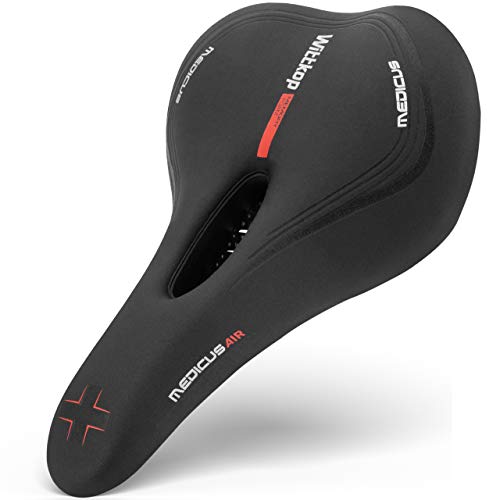
Prolonged saddle contact frequently restricts blood flow through the pudendal nerve pathways. Modern mountain bike saddles integrate recessed grooves or full anatomical cutouts down the center line. These channels redirect downward rider mass away from sensitive nerves directly toward bony structures.
Partial channels maintain structural shell stiffness while minimizing trail debris intrusion from the rear tire. Full cutouts offer maximum pressure relief and enhance cooling airflow during warm summer ascents. Riders experiencing genital numbness should immediately switch to a pronounced relief channel.
Examine the channel depth and taper when comparing saddle silhouettes. The groove should extend forward toward the mid-nose without creating sharp transitional edges. A well-engineered relief zone allows you to stay seated during steep climbs without discomfort.
Riders who tackle wet trails should note that full center holes allow rear-wheel spray to reach your shorts. Saddles with recessed channels or integrated water dams prevent this issue while maintaining ergonomic pressure relief. Evaluate your local riding conditions when deciding between full cutouts and recessed channel grooves.
Padding Density and Cushioning Materials
Thick, overly soft padding often feels comfortable during a brief touch test but collapses under continuous body weight. When soft foam fully compresses, your pelvic bones press directly against the rigid plastic baseplate. Firmer high-density foam or responsive memory foam provides sustainable structural support over multi-hour rides.
Memory foam contours dynamically to your anatomy while absorbing high-frequency trail vibrations. Gel inserts offer localized vibration damping but can add unnecessary weight to your bike setup. High-resilience polyurethane foam strikes a reliable balance between lightweight shock absorption and long-term shape retention.
Evaluate padding firmness based on your weekly trail mileage and riding duration. Short recreational loops tolerate thicker cushioning, whereas aggressive cross-country journeys demand firmer padding densities. Balanced cushioning prevents the saddle from bunching up between your legs during pedaling strokes.
Zone-based padding designs utilize softer foam beneath the sit bones and firmer support around the nose. This multi-density approach cushions impact points while stabilizing your hips during hard pedaling efforts. Investing in progressive padding materials ensures long-term comfort across rocky singletrack.
Cover Durability and Weatherproofing
Mountain bike seats face constant exposure to abrasive mud, grit, and unexpected crashes. Saddle covers manufactured from synthetic leather or heavy-duty polyurethane resist scuffs far better than natural materials. Reinforced corner bumpers prevent the outer fabric from tearing when leaning your bike against trees or rocks.
Waterproof seams prevent inner foam padding from absorbing water during wet rides and washing sessions. Vacuum-sealed or welded exterior seams eliminate water penetration completely. A soaked saddle retains moisture for days, damaging internal layers and causing severe friction against riding shorts.
Check the surface texture to ensure adequate grip without restricting necessary body movement. Smooth waterproof covers make cleaning dried mud easy with a simple damp cloth. Textured finishes provide slight traction to keep you planted in the sweet spot during technical climbs.
High-friction side panels also help prevent premature wear from your riding shorts rubbing against the flanks. Look for durable synthetic microfiber materials that maintain their suppleness in freezing temperatures. A rugged exterior ensures your saddle survives seasons of aggressive trail abuse.
Saddle Profile and Nose Geometry
The overall contour of a mountain bike saddle dictates your freedom of movement on dynamic terrain. Flat profiles allow riders to slide forward during climbs and backward during fast descents. Contoured or curved profiles cradle the pelvis in a fixed position to maximize pedaling power transfer.
The saddle nose should feature a slight downward slope or rounded drop at the front tip. A dropped nose prevents baggy mountain bike shorts from snagging when moving in and out of the saddle. A narrow nose profile prevents chafing against your inner thighs during rapid pedaling cadences.
Rear platform shape determines how easily you can drop behind the saddle on steep drops. Rounded rear edges allow smooth transitions when returning to a seated position from an out-of-the-saddle descent. Riders on technical singletrack benefit significantly from compact, snag-free nose geometries.
Shorter saddle lengths have become popular across modern aggressive mountain bikes. A truncated nose provides ample forward clearance when navigating tight switchbacks and steep inclines. Consider a short-nosed saddle if you frequently experience clothing interference during body weight shifts.
Rail Materials and Weight Optimization
Saddle rails connect the seat to the seatpost clamp and absorb substantial vertical impact forces. Steel rails provide excellent durability and affordability at the expense of extra total weight. Chromoly alloy rails offer superior strength-to-weight ratios and natural vibration-damping properties.
Titanium rails reduce overall component weight while delivering exceptional flex characteristics over harsh bumps. Carbon fiber rails offer maximum stiffness and minimal weight but require compatible seatpost clamps and precise torque specifications. For most mountain bikers, chromoly rails deliver the best balance of reliability and value.
Inspect the rail measurement markings to ensure easy fore-aft positioning adjustments. Clear laser-etched scale marks simplify setting your saddle setback accurately. Sturdy metal rails prevent bent frames when landing hard on unexpected trail compressions.
Hollow rail designs provide additional compliance without sacrificing structural load capacity. The natural deflection in tubular alloy rails absorbs sharp root strikes before they reach your spine. Prioritize structural rail strength over extreme weight savings for rugged mountain biking.
Ventilation and Thermal Regulation
Heat and sweat accumulation during intense summer climbs increase friction and elevate the risk of saddle sores. Center ventilation slots allow continuous airflow beneath the rider to dissipate trapped body heat. Active cooling keeps your chamois dry and reduces skin irritation throughout long rides.
Mountain bike ventilation cutouts must balance airflow with protection against rear-wheel splash. Some saddles incorporate mesh screens or angled vent ducts to block incoming mud while maintaining upward airflow. Check our overview of kid pedal e-bike ergonomic features for similar component standards.
Consider your local riding climate when evaluating ventilated saddle options. Riders in humid or rainy regions require rapid moisture drainage alongside continuous ventilation. Keeping contact areas cool and dry preserves skin integrity over multi-day backcountry bikepacking trips.
Perforated cover patterns work alongside central air channels to speed up moisture evaporation. Airflow channels that run the entire length of the baseplate pull cool air inward as your riding speed increases. Effective thermal regulation keeps you comfortable during grueling mid-summer climbs.
Riding Discipline and Body Position Alignment
Your primary mountain biking discipline determines the optimal saddle architecture and support characteristics. Cross-country racers lean forward at acute angles, requiring narrow noses and flat seating platforms. Trail and all-mountain riders maintain a more upright posture, benefiting from broader rear support and thicker padding.
Downhill and enduro riders prioritize low-profile, compact saddles that maximize clearance for body movement. E-bike riders spend significantly more time seated on steep climbs, necessitating supportive rear ramps to prevent sliding. Matching your saddle selection to your actual riding posture prevents unnecessary biomechanical strain.
If you explore various cycling formats, multi-discipline designs provide versatile mid-width dimensions. Explore our general cycling guides in the Uncategorized category collection for broader component compatibility tips. Aligning saddle shape with your torso angle creates an efficient pedaling platform.
Aggressive trail geometry places your hips in an active, forward-tilted position over the bottom bracket. Saddles with a raised rear tail support this stance by offering a solid surface to push against while climbing. Evaluating your primary trail type ensures you pick a saddle tailored to your actual riding habits.
Installation Versatility and Clamp Compatibility
A replacement bike saddle must integrate seamlessly with your existing seatpost hardware. Most modern mountain bike seatposts utilize standard round seven-millimeter rail clamps. Ensure your chosen saddle matches these dimensions to avoid purchasing additional mounting adapters.
Certain budget saddles include a universal collar clamp designed for older straight seatpost shafts. If your mountain bike utilizes a modern micro-adjust two-bolt seatpost, you can simply remove that external collar. High-end carbon rails often feature oval seven-by-nine millimeter dimensions requiring specific clamp ears.
Always apply a thin layer of grease or friction paste to metal rails before tightening the clamp bolts. Use a torque wrench to tighten bolts according to the manufacturer specifications to prevent rail slippage or deformation. Proper installation ensures silent operation and lasting stability on rocky trails.
Check the available rail length to verify that you have enough forward and backward adjustment room. A generous rail clamping area allows you to dial in your knee-over-pedal alignment precisely. Proper positioning prevents knee fatigue and optimizes your power transfer over rough climbs.
| Saddle Category | Typical Width (mm) | Padding Thickness | Ideal Riding Position | Primary Benefit |
|---|---|---|---|---|
| Cross-Country (XC) | 130 – 142 | Firm / Minimal | Aggressive (Forward) | Maximum pedaling clearance and low weight |
| Trail / All-Mountain | 140 – 150 | Medium / Dense | Moderate (45 Degrees) | Balanced sit-bone comfort and maneuverability |
| Enduro / Gravity | 135 – 145 | Slim / Reinforced | Dynamic / Standing | Snag-free profile and impact resistance |
| Comfort / Leisure MTB | 150 – 175 | Plush / Memory Foam | Upright (60+ Degrees) | Maximum shock absorption and vibration damping |
| E-Mountain Bike | 145 – 160 | Medium-Thick | Upright to Moderate | Rear support ramp for seated uphill traction |
Why You Should Trust Us
Our review process evaluates bicycle saddles through systematic analysis of material composition, ergonomic geometry, and structural engineering standards. We aggregate technical specifications, manufacturer rail tolerances, and verified user durability reports across diverse trail environments. This objective methodology eliminates marketing hype to identify components that deliver genuine ergonomic benefits.
We analyze real-world performance indicators such as foam resiliency over time, seam waterproofing integrity, and rail deformation thresholds. Each product is scored across critical criteria including pelvic pressure distribution, ventilation efficiency, and compatibility with standard mountain bike seatposts. Discover more about our lifestyle and ergonomic standards in the Furniture and Comfort category.
Our editorial recommendations remain completely independent and data-focused. We continuously monitor consumer feedback and product revisions to keep this guide accurate and up to date. You receive transparent insights designed to help you select components that keep you riding comfortably season after season.
Final Thoughts
Choosing the Best Bicycle Seat for Mountain Bike depends on matching saddle dimensions and padding density to your individual anatomy and riding style. Upgrading from a stock factory seat to an ergonomically contoured platform eliminates numbness and empowers you to tackle longer trail rides. We evaluated 5 top-tier models to help you make an informed decision for 2026.
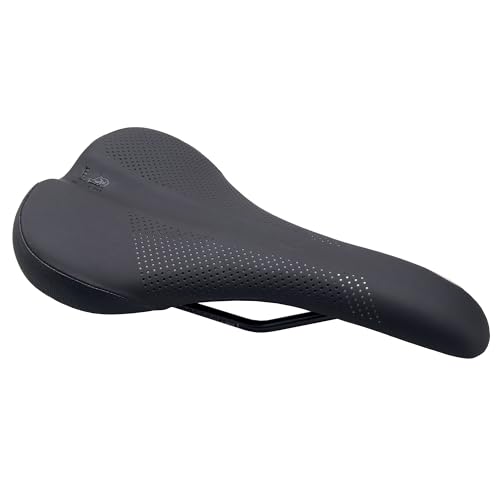
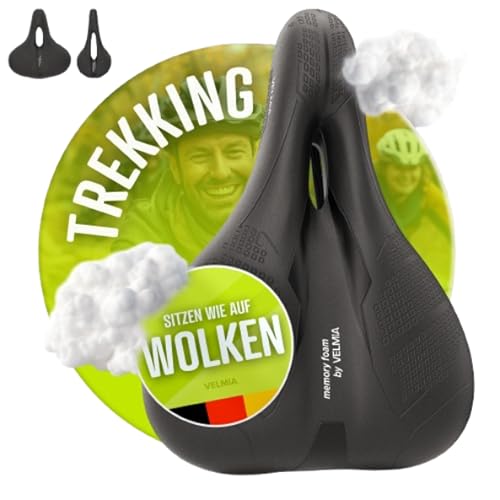
For riders seeking the best overall performance and proven trail ergonomics, the WTB Volt Bike Seat (Saddle) remains the premier choice. Its contoured shape, proprietary Love Channel cutout, and medium-density padding deliver exceptional pelvis stabilization on technical climbs. Riders who prioritize German engineering and high-grade memory foam will appreciate the VELMIA Bike Seat Designed in Germany, which excels in vibration absorption and waterproof durability.
If budget is your primary consideration without sacrificing comfort, the Bike Seat Saddle for Men Women Comfortable offers great value with its built-in shock absorption and universal mounting adapter. For aggressive all-mountain descents, the streamlined profile of the FIFTY-FIFTY Mountain Bike Seat allows unrestricted thigh movement while navigating steep drops. You can also explore the multi-zone padding of the Wittkop Bike Seat, Waterproof Bicycle Saddle for balanced pressure relief across mixed terrain.
Before your next trail adventure, take the time to measure your sit bones and adjust your saddle tilt angle properly. For additional recreational cycling advice, check our guide on safe bikes for young beginners. Equipping your mountain bike with an ergonomic saddle ensures lasting endurance and pain-free riding.
FAQs
How do I know what size mountain bike saddle I need?
Determine your saddle size by measuring the distance between your sit bones using a piece of corrugated cardboard. Add approximately 20 millimeters to your measured sit bone width to find the correct saddle width for trail riding. This ensures your pelvic bones rest on the supportive rear wings rather than the soft center.
What is the top-rated option among Best Bicycle Seat for Mountain Bike in 2026?
The top-rated model in our 2026 comparison is the WTB Volt Bike Seat (Saddle) due to its anatomical contouring and versatile medium padding. It provides dependable pelvic support and central pressure relief across diverse mountain bike disciplines. Riders consistently praise its balance of durability and lightweight construction.
Why do mountain bike saddles have a central cutout or channel?
Central cutouts and recessed channels relieve pressure on the pudendal nerve and surrounding soft perineal tissue. By offloading weight from sensitive areas, these channels prevent genital numbness and improve blood flow during long rides. They also promote cooling airflow to reduce heat buildup during warm climbs.
Is a softer, more padded saddle better for mountain biking?
Excessively soft saddles are rarely better for mountain biking because deep foam collapses under your body weight over time. Once compressed, soft padding creates friction against your inner thighs and concentrates pressure onto sensitive soft tissue. Medium-density foam or supportive memory foam delivers far superior comfort over long rides.
How should a mountain bike saddle be angled for optimal comfort?
Start with your saddle completely level using a smartphone leveling app placed across the top surface. If you experience excessive perineal pressure on steep climbs, tilt the nose down by one or two degrees. Avoid tilting the nose down too far, as this forces excess body weight onto your hands and wrists.
What is the difference between gel and memory foam bike saddles?
Gel inserts excel at absorbing high-frequency trail vibrations but add noticeable weight and can shift under heavy loads. Memory foam contours smoothly to your sit bone shape and distributes pressure evenly without adding excessive bulk. Most modern trail riders prefer responsive memory foam or multi-density polyurethane for mountain biking.
Can a mountain bike saddle help with lower back pain?
A properly fitted saddle supports the pelvis in a neutral position, preventing unnatural spinal curvature while pedaling. Saddles with ergonomic contouring and vibration-damping rails reduce trail shock transmitted directly into the lower lumbar spine. Correct saddle height and angle adjustments are equally critical for preventing back strain.
How do I clean and maintain a waterproof mountain bike seat?
Clean your saddle using mild soapy water and a soft microfiber cloth after muddy rides to remove abrasive grit. Avoid using high-pressure jet washers directly on the underside seams or rail connections to protect the bonding agents. Periodically inspect the rails and clamp bolts to ensure they remain properly torqued and free of cracks.
Are mountain bike saddles unisex or gender-specific?
Many modern mountain bike saddles feature unisex ergonomic designs that accommodate both men and women based on sit bone width. Women generally have wider sit bones on average and often prefer saddles measuring 150 millimeters or wider with shorter noses. The most crucial factor remains matching the saddle width to your individual anatomy rather than the gender label.
How often should I replace my mountain bike saddle?
Most mountain bike saddles last between two and four seasons depending on riding frequency, rider weight, and crash damage. Replace your saddle immediately if the internal shell cracks, the rails bend, or the foam padding loses its resilient rebound. Worn padding no longer provides adequate pelvic support, leading to increased fatigue and discomfort.