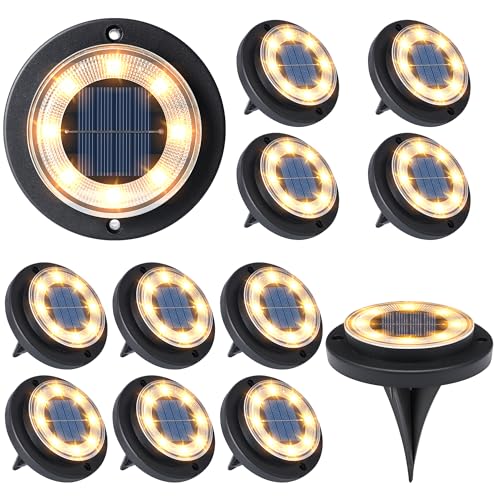
Illuminating garden pathways and dark driveways no longer requires trenching electrical conduits across your lawn. Modern solar disk fixtures offer dependable perimeter lighting powered entirely by daylight capture.
Many homeowners struggle with dim fixtures that fail after the first seasonal rainstorm. Investing in reliable landscape illumination enhances both nighttime curb appeal and pedestrian safety around your property. You can explore our Home & Living section for additional outdoor design inspiration.
We evaluated 7 top fixtures for September 2026 to determine which models survive heavy foot traffic, harsh winter weather, and long nights. This comprehensive guide highlights essential features so you can make an informed purchase for your outdoor living space.



Waterproof Rating and Ingress Protection
Moisture resistance represents the single most important factor for fixtures embedded flush into the earth. Ground units encounter standing puddles, lawn sprinklers, and heavy condensation on a daily basis. Without adequate sealing, internal circuit boards corrode rapidly.
Look for an Ingress Protection code of at least IP65 when evaluating pathway fixtures. An IP65 rating ensures complete dust resistance and protection against low pressure water jets from lawn irrigation. Higher ratings like IP68 provide complete submersion resistance during heavy storm flooding.
Avoid cheap units relying on standard snap-fit plastic covers without rubber gaskets. Inspect the external casing for dedicated silicone sealing rings surrounding the perimeter and the bottom power toggle. A robust seal prevents moisture intrusion that causes permanent electrical short circuits.
Always inspect low-lying lawn areas before inserting flush lighting units. If soil drainage remains poor after regular rainfall, elevate the surrounding turf or choose IP68 certified models to guarantee multi-season longevity.
Solar Panel Conversion Efficiency and Surface Area
Solar collection efficiency determines how much usable electricity your fixtures generate during limited daylight hours. Monocrystalline and advanced polycrystalline panels convert sunlight into stored energy at vastly different rates. Higher conversion efficiency ensures the internal battery charges even on overcast afternoons.
Compare the active surface area of the top photovoltaic cell across competing fixtures. Larger panel diameters capture more photons during short winter days when the sun sits low on the horizon. Compact disk lights with miniature panels often suffer from diminished runtime when seasonal shade increases.
A helpful rule of thumb is selecting fixtures offering at least four to six hours of rapid charging under direct sunlight. Check that panel surfaces feature UV-resistant resin coatings to prevent clouding, yellowing, and micro-cracking over extended summer exposure.
Keep the clear protective face clean by wiping away mud, pollen, and lawn clipping residue monthly. A clean solar surface maintains peak conversion rates and prevents battery undercharging cycles.
Battery Capacity and Runtime Duration
Battery capacity directly dictates whether your outdoor lights stay illuminated until dawn or extinguish before midnight. Most compact landscape fixtures rely on internal nickel-metal hydride or lithium-ion rechargeable cells. Matching battery capacity to LED power draw ensures consistent brightness all night.
Examine the milliamp-hour rating listed in the technical specifications of each model. A standard capacity of 600mAh provides adequate energy for eight to ten hours of continuous glow when paired with energy-efficient diodes. Higher capacity cells deliver extended reserve power during consecutive cloudy days.
Ni-MH batteries handle freezing ground temperatures well but require full charge cycles to prevent memory capacity loss. Lithium cells offer faster charge acceptance and longer operational lifespans across multiple seasons of daily usage.
Consider the total dark hours during winter months in your region before choosing a fixture pack. If nights routinely exceed twelve hours, prioritize models engineered with smart power throttling to stretch battery reserves.
LED Count, Lumens, and Light Distribution
The number and arrangement of embedded light emitting diodes define the overall brightness and illumination pattern. Ground fixtures serve primarily as navigational markers rather than floodlights, requiring balanced output that avoids harsh glare. Proper diode placement casts an even wash across turf and pavers.
Fixtures typically house between eight and twelve high-efficiency diodes arrayed in a circular pattern. Eight LEDs deliver subtle ambient accenting suitable for flower beds and patio steps. Twelve LED configurations produce higher lumen density ideal for wide driveways and long garden corridors.
Examine the light diffuser lens material covering the diode cluster. Textured diamond-cut lenses scatter illumination outward along the ground plane, preventing upward glare that blinds pedestrians walking directly above the unit.
Spacing your ground lights roughly three to five feet apart creates a continuous visual guide along walkways. Placing units closer together produces overlapping pools of light that can wash out subtle garden landscape textures.
Color Temperature and Landscape Aesthetics
Color temperature establishes the nighttime mood and visual clarity of your outdoor property. Lighting options generally fall into warm white (around 3000K) or cool daylight white (around 6000K). Selecting the right tone depends on your architectural materials and landscaping themes.
Warm white illumination creates an inviting, cozy atmosphere that complements natural stone, brickwork, and wooden patio decking. It blends harmoniously with ambient indoor lighting escaping through nearby windows. Cool white provides crisp, high-contrast visibility that highlights modern concrete walkways and contemporary architectural lines.
Avoid mixing warm and cool fixtures along the exact same path or garden border. Uniform color temperature across all installed units produces a cohesive, professionally designed landscape appearance throughout the evening.
For additional property improvement guides, browse our Uncategorized archive to discover practical hardware and home maintenance recommendations.
Casing Material and Structural Load Resistance
Ground lights must withstand severe physical impact from foot traffic, stray garden tools, and rolling lawnmower wheels. High quality exterior housings prevent cracking and seal deformation under downward pressure. Material selection determines how well the unit resists both physical crushing and environmental corrosion.
Stainless steel bezels combined with heavy-duty ABS plastic underbodies offer an excellent balance of strength and weather protection. The top metal plate resists scratches while the polymer base absorbs shock without corroding when buried in moist earth. All-plastic housings made from reinforced polycarbonate eliminate rust risks entirely in high-salinity coastal areas.
Check whether the top lens sits completely flush with the surrounding metal bezel. Recessed or flat designs allow lawn equipment to roll smoothly over the fixture without catching the edges and pulling stakes from the dirt.
When installing fixtures near driveway edges, ensure the casing specifies drive-over load tolerance. Standard pathway units survive pedestrian footfalls but may crack under direct automobile tire weight.
Installation Flexibility and Mounting Hardware
Versatile mounting options allow you to deploy solar fixtures across varied outdoor surfaces including turf, soil, timber, and masonry. Most standard sets include interlocking cross-stakes designed for rapid ground insertion. Multi-functional units provide screw mounting holes for hardscape installations.
Evaluate the quality and length of the included ground stakes. Four-prong cross stakes provide significantly better rotational stability in loose soil than single thin center spikes. Dual-purpose fixtures featuring flat bottom plates with screw holes allow secure fastening to wooden deck stairs and horizontal fence rails.
Never force ground stakes into dry, compacted clay with a hammer or heavy foot pressure. Moisten the target soil with a garden hose beforehand, or create pilot holes with a screwdriver to avoid snapping plastic mounting prongs.
For concrete or paved areas where staking is impossible, choose flat-backed disk lights that adhere cleanly using heavy-duty exterior mounting tape or silicone construction adhesive.
Photocell Sensor Responsiveness and Controls
Integrated dusk to dawn photocell sensors automate daily operation by detecting ambient light thresholds. A responsive sensor triggers activation smoothly as twilight arrives and shuts down charging circuits when dawn breaks. Reliable sensors prevent premature battery drain during early evening hours.
Check the placement and design of the primary power switch on the fixture body. External rocker or slide switches protected beneath silicone caps are much easier to toggle than pinhole switches requiring special tools. An accessible switch simplifies seasonal storage when fixtures are removed before winter snowplowing.
Be mindful of external light pollution when positioning photocell-equipped fixtures. Placing solar disks directly beneath bright porch sconces or commercial streetlights can trick internal sensors into remaining off throughout the night.
Test each unit prior to ground insertion by covering the solar panel completely with your palm. The LEDs should illuminate instantly when the master switch is set to the active position.
Landscape Lighting Specification Matrix
Comparing technical specifications side by side simplifies selecting the right solar ground lights for your outdoor space. The table below outlines key engineering differences across standard disk lighting configurations.
| Feature Spec | Standard Path Disks | High-Density Disks | Heavy-Duty Hardscape |
|---|---|---|---|
| LED Diode Count | 8 LEDs | 12 to 16 LEDs | 8 to 12 LEDs |
| Waterproof Rating | IP65 Rating | IP65 to IP67 | IP68 Hermetic Seal |
| Battery Capacity | 600mAh Ni-MH | 600mAh – 800mAh | 800mAh+ Li-ion |
| Casing Material | Stainless Steel / ABS | Stainless Steel / ABS | Reinforced ABS / Polycarbonate |
| Average Runtime | 8 to 10 Hours | 8 to 10 Hours | 10 to 12 Hours |
| Mounting Type | Soil Ground Stake | Soil Ground Stake | Stake and Surface Screw |
Review your specific yard terrain and daily sun exposure patterns before committing to a multi-pack. Matching hardware durability to your local climate guarantees long term performance.
Why You Should Trust Us
Our landscape hardware evaluations rely on rigorous specification analysis, verified engineering standards, and real-world durability data. We examine component quality, including solar cell conversion rates, battery chemistry, and ingress protection testing standards. We filter out low-grade novelty items to focus strictly on dependable landscape lighting.
We analyze real user operational feedback across diverse geographic climates, tracking how fixtures handle deep winter freezes, extreme summer heat waves, and heavy downpours. Our goal is providing transparent, data-driven comparisons that highlight genuine value and practical reliability for homeowners.
Our dynamic review database updates automatically throughout the year to reflect continuous manufacturing changes and product availability. We maintain strict editorial objectivity, ensuring our recommendations center entirely on long-term performance, build quality, and ease of installation.
Final Thoughts
Selecting the right outdoor disk lighting transforms your yard into an inviting, safely illuminated space every evening. For overall pathway reliability and superior moisture defense, we recommend the Peasur Solar Ground Lights Outdoor Anti-Rust Disk. Its IP68 waterproof housing and robust ABS construction eliminate rust concerns while delivering up to 12 hours of warm white illumination.
Homeowners seeking maximum brightness along broad driveways should consider the Biling Solar Ground Lights Outdoor Bright. Equipped with a 12-LED array and enlarged solar panels, this set provides vibrant illumination with rapid daytime charging recovery. It represents a fantastic solution for marking property boundaries and long entry walks.
If budget efficiency and high fixture count are your top priorities, the SOLPEX 10 Pack Solar Ground Lights Outdoor delivers exceptional value. Featuring decorative diamond-cut lenses and included mounting screws for hard surfaces, it handles both lawn and deck installations with ease.
Take time to plan your layout before pushing stakes into the dirt to maximize solar exposure. For complementary home guidance, explore our analysis on the best mattresses for back pain king size picks to keep your indoor living spaces just as comfortable as your outdoor patio.
Frequently Asked Questions
How do Best Solar In-Ground Lights operate during prolonged rainy periods?
Solar fixtures continue to collect energy on cloudy and rainy days, though at reduced charging efficiency compared to direct sunlight. High-quality monocrystalline panels still harvest scattered ambient light to provide several hours of illumination. Installing units away from overhead tree canopies maximizes ambient light capture during overcast weather.
Can lawnmowers roll directly over solar disk lights without damaging them?
Most stainless steel and ABS disk lights tolerate casual pedestrian steps and lightweight push mowers when installed completely flush with the soil line. However, heavy riding lawnmowers or low spinning blades can scratch solar panels or shatter casing edges. Setting mower cutting heights slightly higher protects flush fixtures from blade contact.
How deep should ground stakes be inserted into the lawn?
Ground stakes should be pushed into the soil until the bottom rim of the disk light rests flat against the turf surface. This flush positioning stabilizes the unit against wind displacement and prevents tripping hazards along garden borders. Softening hard ground with water beforehand prevents broken mounting prongs.
Why are my solar lights turning off after only two hours?
Premature shutoff typically indicates insufficient daylight charging, dirty solar panel lenses, or an aging rechargeable battery cell. Ensure the fixture receives at least six hours of unshaded sun daily and wipe clear any surface dirt. If the problem persists after thorough cleaning, replacing the internal rechargeable battery restores original runtime.
What is the difference between warm white and cool white ground illumination?
Warm white lighting produces a soft yellow-amber glow around 3000K that creates a welcoming, relaxed ambiance near patios and flower beds. Cool white produces a bright, high-contrast bluish-white beam near 6000K that enhances visibility along dark driveways and property perimeters. Choosing one consistent color tone creates a unified look.
Are solar ground lights safe to use around curious pets and children?
Low-voltage solar disk lights operate without external electrical cords, eliminating dangerous shock hazards and tripping risks for children and pets. The cool-running LEDs produce virtually no heat during operation, preventing accidental burns. Always secure the ground stakes firmly so animals cannot dislodge or chew plastic components.
Can solar disk lights be mounted on wooden deck boards and concrete stairs?
Many modern disk lights feature flat bases with integrated screw mounting holes specifically designed for hard surfaces like wood steps, composite decking, and concrete borders. Simply detach the ground spike and secure the disk directly using corrosion-resistant exterior wood or masonry screws. For other home comfort guides, visit our review on best king mattresses topper for back pain tips.
How do I clean and maintain solar pathway disks during autumn?
Clear away fallen leaves, mud splashes, and grass clippings using a soft damp microfiber cloth every few weeks. Avoid harsh chemical cleaners or abrasive scouring pads that can scratch the protective solar panel resin. Regular cleaning ensures maximum photon absorption during shorter daylight seasons.
Should solar ground fixtures be removed and stored before winter snowfall?
While weather-resistant units handle freezing temperatures, heavy snow accumulation completely blocks sunlight and prevents daily battery recharging. Removing fixtures before running heavy snow blowers or metal shovels prevents accidental mechanical damage. Store units in a dry location with the master power switch turned off.
What causes solar ground lights to flicker erratically after dusk?
Flickering usually occurs when the fixture is positioned too close to an artificial light source such as a street lamp or exterior spotlight. The photocell sensor continuously switches between day and night modes as light levels fluctuate. Relocating the fixture away from artificial ambient glare resolves flickering instantly.