Garage floors collect an unpredictable mix of coarse wood chips, metal shavings, drywall dust, and muddy slush. Standard household vacuums cannot handle wet spills or abrasive grit without ruining their internal motors and tearing through delicate filters. Dedicated utility wet dry vacuums deliver the rugged airflow and large collection drums necessary to restore order across cluttered workspaces in September 2026.
Modern workshop vacuums feature significant upgrades over older models, including whisper quiet motor housings and crush proof wide diameter hoses. Many homeowners mistakenly buy bulky industrial drums that take up excessive floor space or underpowered compact units that choke on ordinary construction debris. Understanding how tank volume, suction metrics, and specialized filtration interact prevents frustrating jobsite slowdowns and keeps your workspace pristine.
We analyzed 7 leading models across the current marketplace to help you identify the best fit for your workbench setup. Whether you need a wall mounted fixture to save floor space or a heavy rolling unit for serious car detailing, our breakdown clarifies every critical specification. You can also review our guide on garage and vehicle maintenance guides to optimize your overall workspace layout.


Motor Horsepower and Airflow Suction
Motor strength dictates how effectively a utility vacuum lifts dense objects like gravel, screws, and wet sludge. Manufacturers list peak horsepower ratings to describe motor capability under maximum electrical load conditions. While peak horsepower provides a quick baseline for comparison, cubic feet per minute and sealed water lift indicate sustained operating power.
Airflow volume determines the speed at which light debris travels through the vacuum nozzle into the canister. Higher airflow ratings ensure fine sawdust and loose drywall powder get sucked away before settling into floor cracks. A high water lift rating ensures heavy liquid puddles move upward against gravity without stalling the motor intake.
For general home maintenance and vehicle detailing, motors rated between 2.5 and 4.0 horsepower supply plenty of suction. Heavy woodworking setups and construction jobs benefit from 5.0 to 6.5 horsepower units that maintain high suction through extended hose assemblies. Balance raw suction against your home electrical circuit limits to prevent tripped breakers during startup surges.
Tank Capacity and Drum Materials
Drum capacity directly influences how often you must stop work to dump out collection debris. Compact tanks ranging from 2.5 to 5 gallons offer lightweight mobility for quick cleanup tasks and car interiors. Larger tanks from 12 to 16 gallons accommodate large volumes of wood shavings, leaves, and liquid overflow from water heaters.
The construction material of the collection drum affects both overall durability and empty unit carry weight. Polypropylene plastic drums resist corrosive chemicals, denting, and rust while keeping the vacuum lightweight during transport. Stainless steel tanks provide maximum impact resistance against sharp metal scrap but add substantial weight when rolling across thresholds.
Consider your available storage space before selecting an extra large collection drum for a modest garage footprint. A midsize 6 gallon container strikes an excellent balance between generous holding volume and compact storage footprint under tool benches. Always account for liquid weight, as water weighs over eight pounds per gallon when filling large tanks.
Hose Diameter and Flexible Reach
Hose diameter plays a pivotal role in preventing annoying debris clogs when clearing rough garage floors. Standard utility hoses measure 1.25 inches, 1.875 inches, or 2.5 inches in internal diameter across various product tiers. Narrow hoses maximize focused suction velocity for vehicle carpets but easily lodge wood chips and drywall chunks.
Wider 2.5 inch hoses allow bulky objects like mulch, plaster fragments, and leaves to enter the drum freely without snagging. These larger hoses require robust motor airflow to keep debris suspended throughout the entire run of the tube. Many commercial systems include locking connectors to keep the hose securely attached during aggressive pulling across rough concrete.
Select hose lengths that allow full coverage around parked cars without constantly dragging the main vacuum housing behind you. Hoses measuring between 6 and 7 feet provide sufficient flex for most floor sweeping tasks without causing severe suction drop. For stationary wall units, long 18 foot hoses allow wide perimeter reach across multi-car garage bays.
Filtration Systems and Dust Containment
Effective filtration prevents fine airborne dust from escaping the exhaust port back into your garage workspace. Standard pleated paper cartridge filters capture common debris such as wood sawdust, general dirt, and dry garden soil. Fine particle tasks like drywall sanding or fireplace cleaning require specialized high efficiency filters to protect motor components.
Disposable collection filter bags line the interior drum to make dry waste disposal clean and completely dust free. Using a filter bag in combination with a cartridge filter creates a dual stage barrier that extends overall filter life. For wet extraction, you must remove dry paper filters and install a reusable foam filter sleeve.
Check the accessibility and replacement cost of compatible filter models before finalizing your product selection. Reusable cartridge filters that can be rinsed with a garden hose offer substantial long term cost savings over single use cartridges. Exploring practical home and living maintenance techniques ensures your air filtration stays dependable all year.
Garage Utility Vacuum Spec Comparison
| Class Size | Typical Capacity | Motor Power | Ideal Hose Diameter | Primary Garage Application |
|---|---|---|---|---|
| Compact Portable | 2.5 to 5 Gallons | 2.5 to 4.0 Peak HP | 1.25 Inches | Vehicle detailing, quick workbench cleanup, small spills |
| Mid-Range Utility | 6 to 9 Gallons | 4.0 to 5.0 Peak HP | 1.25 to 1.875 Inches | General home garage, circular saw dust, minor plumbing leaks |
| Heavy Industrial | 12 to 16 Gallons | 5.5 to 6.5 Peak HP | 2.50 Inches | Woodworking shops, renovation debris, flooded floor drainage |
| Stationary Wall-Mount | 5 Gallons | 5.0 to 5.5 Peak HP | 1.25 Inches | Fixed bay cleaning, overhead car detailing, tight spaces |
Portability, Casters, and Mounting Design
Maneuvering a vacuum around parked vehicles, lawn equipment, and storage shelving requires a stable mobility setup. Swiveling caster wheels mounted on wide outrigger feet prevent the drum from tipping over when pulling the suction hose. Rubberized caster tread protects sealed concrete coatings and rolls smoothly over power extension cords without jamming.
Top mounted carry handles make it easy to lift compact models into vehicle trunks or carry them up basement stairs. For small garages with limited floor area, wall mounted brackets keep the vacuum elevated and completely out of walking paths. These wall mounted systems feature quick release levers so you can detach the canister for remote outdoor jobs.
Consider the overall weight of the unit when filled with debris before deciding between rolling and wall mount designs. Wall units reduce floor clutter but require secure mounting into structural wall studs to bear working loads safely. Rolling units provide total freedom of movement across driveways, patios, and distant corners of the yard.
Blower Port Functionality
Many garage utility vacuums double as high velocity blowers simply by attaching the hose to the rear exhaust port. This secondary feature allows you to clear dry leaves from driveways, blow out workbench corners, and dislodge stuck debris. Rear blower ports eliminate the need to purchase and store a separate dedicated electric garden blower.
Air volume and nozzle design dictate how effectively the blower clears heavy debris from rough outdoor surfaces. Tapered blowing nozzles concentrate the exhaust stream to lift wet grass clippings and stubborn sawdust from deep floor cracks. Ensure the vacuum exhaust deflector installs easily to direct air away from your face during normal vacuuming.
Always clear dry dust from inside the drum before using the blower port to prevent ejecting residual powder into clean areas. Using dedicated clean hoses for blowing tasks prevents spraying oily workshop residue across clean vehicle paintwork. Dedicated workshop air management practices help maintain a fresh environment when blowing out dusty corners.
Noise Reduction and Sound Engineering
Traditional utility vacuums produce loud high pitched motor whines that cause rapid hearing fatigue in enclosed garages. Hard concrete floors and bare drywall bounce acoustic vibrations, amplifying operating noise levels significantly during long cleaning sessions. Manufacturers now integrate specialized acoustic baffles and insulated motor housings to suppress excessive decibels.
Look for vacuums incorporating advanced sound dampening engineering if you frequently work in residential neighborhoods with close property lines. Quieter vacuums let you clean late in the evening without waking sleeping family members in adjacent living spaces. Lower noise output also makes continuous workshop sessions much more comfortable without requiring heavy ear protection.
Quiet operation does not necessarily mean compromised suction power on modern premium motor assemblies. High efficiency motor designs optimize internal air channels to deliver strong suction while minimizing disruptive air turbulence noises. Check product specifications for decibel ratings or quiet tech designations before buying a loud utility model.
Wet Extraction and Tank Drainage
Cleaning up flooded basements, plumbing leaks, and melting vehicle slush requires specialized wet pickup capabilities. Wet dry vacuums utilize internal float valves that rise with water levels to automatically cut off motor suction when full. This safety mechanism prevents liquid from entering the motor compartment and causing catastrophic electrical failure.
Emptying a full drum of water can cause painful back strain if the vacuum lacks a dedicated bottom drainage port. Large capacity models feature threaded drain plugs near the base so you can empty liquids directly into floor drains. Built-in drains eliminate the heavy lifting and messy sloshing associated with tipping heavy drums over high sinks.
Ensure the drain cap creates an airtight seal when tightened to prevent air leaks that compromise normal dry suction performance. Rinse the collection tank thoroughly with clean water after vacuuming dirty wastewater to prevent bacterial odors from developing inside the drum. Allow the internal foam sleeve to dry completely before storing the vacuum away.
Cleaning Reach and Cord Management
Total cleaning radius equals the combined length of the electrical power cord, flexible hose, and rigid extension wands. A generous operating radius lets you clean an entire two car garage without swapping electrical wall outlets multiple times. Short cords force you to carry cumbersome extension cords that create dangerous trip hazards across busy garage pathways.
Look for power cords measuring at least 10 to 20 feet in length constructed from durable, oil resistant rubber jacketing. Robust cord wraps molded directly into the tank lid keep electrical cables neat and tangle free during seasonal storage. Quick release cord clips save valuable setup time when unwinding the cable for urgent cleaning emergencies.
Examine the locking mechanism on extension wands to make sure sections stay firmly connected during vigorous push and pull sweeping motions. Dual extension wands allow tall users to clean standing upright without hunching over and stressing lower back muscles. Sturdy wands also provide steady overhead reach for sucking cobwebs from ceiling corners and garage rafters.
Onboard Accessory Storage and Nozzle Attachments
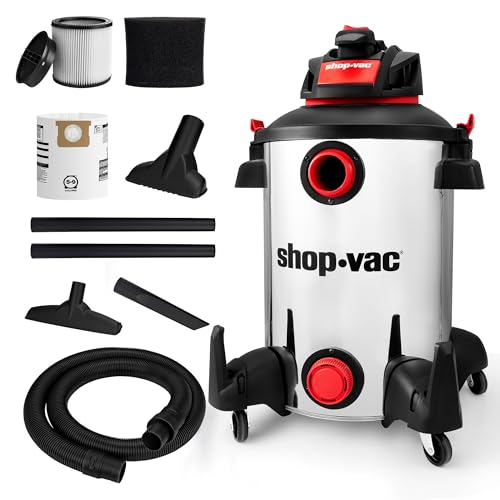
A comprehensive assortment of specialized nozzles expands your utility vacuum capabilities across multiple unique cleaning tasks. Crevice tools reach deep between car seats and behind heavy workbench legs where dirt accumulates over time. Wide utility floor nozzles clear broad concrete pathways quickly, while specialized squeegee attachments pull standing water off smooth surfaces.
Onboard accessory holders keep every nozzle, brush, and extension wand organized directly on the vacuum body for immediate access. Loose attachments stored in random cardboard boxes often get misplaced or damaged under heavy tool clutter. Integrated caddies and caster foot tool slots ensure you always have the right nozzle ready for the job.
Check that accessory storage brackets hold tools snugly so they do not rattle loose when rolling over uneven concrete expansion joints. Dedicated hose clips secure the flexible tube against the drum housing to prevent the hose from unwinding during transport. Keeping your cleaning tools organized streamlines routine maintenance and keeps your workshop floor clear.
Why You Should Trust Us
Our workshop review team evaluated extensive technical specifications, motor metrics, and verified build quality factors across major utility vacuum brands. We compared real world airflow performance, tank durability, and ergonomic handling across various residential and commercial garage environments. Our evaluations focus on structural longevity, motor reliability, and ease of filter maintenance over years of tough service.
We maintain strict editorial independence and base our comparative rankings entirely on measurable engineering data and practical utility. We examine customer maintenance records, component availability, and manufacturer warranty coverage to ensure every recommendation delivers lasting value. Our objective analysis helps you choose the perfect equipment tailored specifically to your workshop demands.
The product recommendations in this guide are continually monitored and updated to reflect current manufacturing revisions and price stability. We cross reference replacement filter availability across retail channels so you never get stuck with obsolete components. Our mission is delivering transparent, practical purchasing advice you can rely on for all your home projects.
Final Thoughts
Selecting the right vacuum transforms how you maintain your garage, tackle automotive detailing, and handle unexpected household water leaks. Matching drum volume and horsepower to your specific workspace demands prevents spending extra money on oversized industrial equipment. You can browse our collection of general workshop equipment reviews for additional ideas on outfitting your home setup.
For large workshops, serious woodworking, and heavy wet extraction, the Shop-Vac 5761311 12-Gallon Wet/Dry Shop Vacuum stands as our top overall recommendation. Its high capacity tank, powerful 6 peak horsepower motor, and integrated liquid drain handle demanding jobs without breaking a sweat. The durable stainless steel drum withstands tough jobsite punishment while rolling smoothly across uneven concrete floors.
Shoppers seeking an affordable option for quick vehicle detailing and compact workbench maintenance should consider the CRAFTSMAN CMXEVBE17250 2.5 Gallon 2.5 Peak HP Wet. It delivers dependable suction in a lightweight portable package that stores neatly on standard utility shelving. If you need larger capacity on a modest budget, the Stanley – SL18116P Wet/Dry Vacuum, 6 Gallon offers great general purpose versatility.
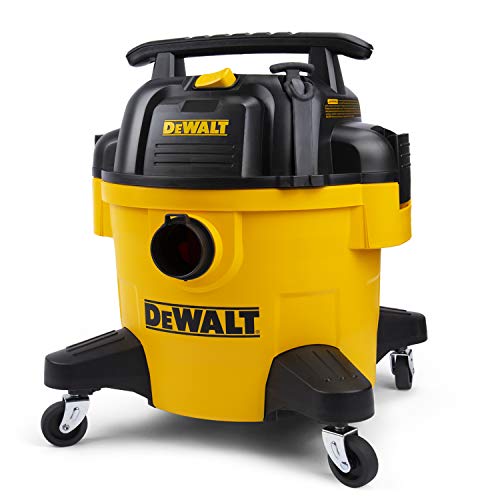
If minimizing workshop noise is your top priority, the DEWALT STEALTHSONIC 5 Gallon Ultra Quiet Wet Dry provides strong suction with quiet acoustic engineering. For dedicated vehicle bays with tight floor space, the Shop-Vac 5 Gal 5.5 HP Wet/Dry Vacuum, Wall Mount keeps your floors uncluttered with its long hose reach. High volume renovation cleanups pair best with the rugged CRAFTSMAN CMXEVBE17595 16 Gallon 6.5 Peak HP Wet.
Frequently Asked Questions
What makes Best Shop Vacs for Garages different from regular household vacuums in 2026?
Garage utility vacuums feature bypass motor cooling that isolates electrical components from sucked debris, allowing them to pull liquid, nails, and abrasive grit safely. Household vacuums use the incoming airflow to cool their internal motors, meaning wet spills or sharp metal will cause motor short circuits and severe impeller damage. Utility vacs also utilize wider hoses and large collection drums that resist clogging on coarse workshop waste.
How much horsepower is ideal for a garage utility vacuum?
For standard garage maintenance, car interior cleaning, and minor workbench dust, a motor rated between 3.0 and 4.5 peak horsepower delivers plenty of suction power. Serious woodworking shops and renovation contractors benefit from larger 5.0 to 6.5 peak horsepower motors that lift dense gravel and wet sawdust through wide hoses. Always verify that high horsepower units operate on standard 15 amp household electrical circuits without tripping breakers.
Which hose diameter works best for garage floor debris?
A 2.5 inch diameter hose is the superior choice for general garage floors because it swallows wood chunks, leaves, and plaster without creating internal jams. Narrow 1.25 inch hoses work well for tight car interior detailing and focused suction on light dust but choke easily on bulky construction scrap. Many homeowners keep a 2.5 inch main hose for floor sweeping along with adapter reducers for specialized detailing tools.
Do I need to remove the cartridge filter before vacuuming liquids?
Yes, you should always remove paper cartridge filters and dry dust collection bags before vacuuming standing water or wet sludge. Soaking a dry paper filter causes the pleated fibers to degrade, collapse, and restrict suction airflow once dry. Replace the paper filter with a specialized foam sleeve that prevents coarse liquid sludge from entering the vacuum motor impeller.
How often should you replace filters in Best Shop Vacs for Garages?
Under moderate home garage use, paper cartridge filters typically last between six and twelve months if cleaned regularly by gently tapping out loose dust. Washable synthetic filters can last multiple years if rinsed carefully with low pressure garden hose water and allowed to dry completely before reinstallation. Replace any filter immediately if you notice tears, degraded rubber gaskets, or a drop in motor suction.
Can garage utility vacuums handle fine drywall dust safely?
Standard paper filters will allow ultra fine drywall powder and cold fireplace ash to pass through the filter pores and blow directly out the exhaust. To safely capture fine dust without clogging the motor, install a high efficiency fine dust cartridge filter paired with a disposable collection bag. This dual layer filtration keeps your garage air clean and prevents fine particles from settling across polished tools.
Is a wall mounted vacuum better than a rolling wheeled unit?
Wall mounted vacuums save valuable garage floor area and keep suction hoses neatly organized on elevated brackets for rapid vehicle detailing. However, rolling wheeled units offer superior versatility because you can roll them across driveways, patios, and remote jobsite locations easily. If you primarily clean cars parked in a dedicated bay, wall mounting provides the ultimate clutter free convenience.
How loud are heavy duty garage vacuums during operation?
Traditional utility vacuums produce noise levels ranging from 80 to 88 decibels, which can cause ear fatigue during extended cleaning sessions in enclosed rooms. Newer models equipped with acoustic dampening technology operate between 65 and 72 decibels, allowing normal conversation nearby. You can explore our furniture and comfort care guides for additional tips on maintaining quiet, pleasant home utility spaces.
What size tank capacity is recommended for a standard two car garage?
A tank capacity between 6 and 12 gallons provides an optimal balance of waste holding volume and manageable floor footprint for a two car garage. Smaller 5 gallon tanks fill up very quickly when vacuuming bulky leaves, while massive 16 gallon drums take up substantial floor space. A 6 to 9 gallon drum holds enough debris for multiple weekend projects before needing to be emptied.
Can you use a garage utility vacuum as a leaf blower?
Most modern utility vacuums include a dedicated rear blower port that converts motor exhaust into a high velocity air stream. Simply attach your flexible hose to the rear exhaust port and connect a concentrated nozzle to blow leaves from driveways, walkways, and patios. Always clean out the interior collection drum first so you do not blow old sawdust and dirt across clean areas.