Upgrading a kitchen workspace often comes down to choosing dependable appliances that streamline daily meal preparation. Finding the Best Microwaves under $300 allows you to enjoy commercial grade heating speeds and smart automation without paying luxury appliance markups. Our updated September 2026 roundup explores 3 standout models engineered to handle everything from delicate defrosting to rapid family dinner reheating.
Many shoppers assume that budget friendly kitchen appliances lack advanced humidity detection or durable internal components. Modern engineering has completely reshaped this price bracket by introducing quiet operation, memory turntables, and voice activation into accessible units. If you are also modernizing other parts of your home environment, explore our guide on smart home devices that work with Alexa to create a fully connected household.
Navigating interior volume limits, power ratings, and keypad layouts can be confusing when comparing countertop appliances. This comprehensive guide breaks down essential performance metrics to help you select a dependable unit suited to your cooking habits. Let us examine the top performers that combine long term durability, even heating, and effortless cleaning.


Wattage and Heating Efficiency
Microwave power is measured in wattage, which directly dictates how quickly and evenly food reaches safe serving temperatures. Units operating between 1000 watts and 1200 watts provide the optimal balance of rapid thermal transfer and moderate energy consumption. Lower wattage units often require longer cook cycles that can dry out meat or leave cold spots in dense casseroles.
When reviewing manufacturer specifications, distinguish between operating output power and total input draw. A 1000 watt output appliance typically pulls around 1600 watts from your electrical wall receptacle during active cycles. Checking your kitchen circuit capacity ensures that running your microwave alongside other high draw appliances will not trip breakers.
A practical rule of thumb is to aim for at least 1000 watts for primary household kitchens where speed matters. If you frequently reheat large dinner plates or steam dense vegetables, stepping up to a 1200 watt model cuts prep times significantly. Smaller 900 watt options should be reserved for secondary kitchenettes or light snack duty.
Interior Capacity and Footprint Management
Cubic footage defines the usable cooking chamber volume and determines the largest cookware vessels your microwave can accommodate. Compact units around 1.2 cubic feet easily fit standard dinner plates, while larger 1.6 cubic foot models accept oversized casserole dishes. Balancing your internal volume requirements against available countertop surface area prevents kitchen crowding.
Always verify exterior dimensions, including necessary clearance margins for rear and side heat ventilation. Countertop units require at least three inches of rear clearance and several inches on top to dissipate heat safely. Failing to account for adequate air circulation can cause internal safety fuses to trip during prolonged cooking sessions.
Measure your deepest dinner plate and favorite glass bakeware across the diagonal before committing to a specific interior size. For busy families managing multi-person meal schedules, an interior rating between 1.3 and 1.6 cubic feet offers the greatest culinary flexibility. Single professionals and studio dwellers will find a 1.2 cubic foot profile delivers adequate capacity without dominating the counter.
Smart Humidity Sensors and Automatic Reheating
Traditional microwaves operate strictly on timed countdowns, which forces users to guess cooking durations. Integrated humidity sensors revolutionize this process by detecting steam emissions rising from heated food in real time. The internal processor dynamically modulates power levels and stops the heating cycle exactly when food reaches optimal temperature.
Sensor menus eliminate the rubbery texture caused by overcooking and prevent frozen dinner centers from remaining icy. Standard sensor programs include dedicated presets for baked potatoes, fresh vegetables, refrigerated pizza slices, and soup bowls. Selecting a microwave with reliable sensor hardware ensures foolproof results across varied food densities.
Look for sensor reheating functions if you regularly handle leftover meals or rely on convenient batch cooking routines. These automatic cycles remove the frustration of trial and error timing adjustments during busy mornings. Pairing reliable meal heating with healthy routines like wholesome family meal prep keeps daily kitchen tasks organized and stress free.
Turntable Engineering and Position Memory
Rotational turntables are vital for distributing microwave energy evenly across the entire surface of your food. Glass turntable diameters generally range from 12.4 inches to 13.6 inches depending on the overall chassis volume. Larger platters provide stability for rectangular baking dishes and wide specialty bowls without jamming against interior walls.
An innovative upgrade in modern models is position memory turntable technology that tracks rotational orientation. When the cook cycle concludes, the motor resets the turntable back to its original starting position. This guarantees that hot coffee mug handles and soup bowl edges face front for safe, burn free retrieval.
Verify that the roller ring assembly underneath the glass platter features durable wheels that glide smoothly under heavy loads. Removable glass trays should be dishwasher safe to simplify spill cleanup after accidental sauce splatters. Heavy glass construction resists thermal shock and prevents warping over years of intense daily use.
Acoustic Control and Keypad Mute Capabilities
Repetitive end of cycle chimes and loud button beeps can be disruptive in quiet households and shared apartment layouts. Modern appliances frequently include dedicated sound control modes that disable all acoustic feedback instantly. Activating mute allows early morning coffee warming or late night snacking without waking sleeping family members.
Mute functions are commonly engaged via a dedicated front panel button or by holding a specific number key for three seconds. The display provides visual confirmation when silent mode is active, ensuring you know your setting choice took effect. Visual end alerts on the LED display keep you informed of completed cycles without annoying chimes.
If you work varied shifts or share thin walls with roommates, sound suppression is an indispensable lifestyle feature. Check customer manuals to ensure the mute function persists across power interruptions or normal door opening cycles. Quiet operation transforms an otherwise intrusive appliance into a polite household helper.
Smart Home Integration and Hands-Free Voice Controls
Wi-Fi enabled microwaves integrate seamlessly with voice assistants such as Amazon Alexa to streamline cooking workflows. Pairing the appliance with an external smart speaker allows you to initiate cook cycles, pause timers, or select presets using voice commands. Hands-free voice operation proves invaluable when your hands are coated in flour or marinade.
Accompanying smartphone applications provide remote status monitoring and push notifications when your food is ready. Some companion apps deliver updated preset cooking databases that adjust heating parameters for specific food brands automatically. This continuous firmware evolution ensures your appliance stays current with modern culinary trends.
When evaluating smart appliances, confirm that manual controls remain fully functional when network connections drop. Voice controls should complement physical tactile buttons rather than completely replacing manual input panels. Combining automated home convenience with smart living upgrades like ergonomic home upgrades promotes an effortless, modern lifestyle.
Power Modulation and Multi-Stage Defrosting
Standard entry level appliances cycle their magnetrons on and off at full output to simulate lower heat settings. Advanced multi-stage programming allows the unit to seamlessly transition from high power cooking to gentle simmer settings automatically. This precise thermal control prevents delicate sauces from scorching and keeps cheese toppings perfectly melted.
Weight based defrost algorithms calculate exact timing and cycling patterns based on the mass of frozen poultry or beef. Time based defrost options give experienced cooks full manual control over rapid thawing procedures. Proper defrost staging avoids the common flaw where outer meat edges cook while the deep core remains solid ice.
Look for at least ten distinct power level settings to ensure maximum versatility across diverse food types. Lower tiers between ten and thirty percent power are ideal for softening butter, melting chocolate, or proofing yeast doughs. Higher tiers handle boiling liquids and rapid vegetable steaming with maximum efficiency.
Child Safety Locks and Kitchen Security
Child safety lockout mechanisms prevent curious toddlers from activating empty heating chambers or altering ongoing cooking programs. Modern units employ multi-step unlocking procedures or long press keypad sequences that young children cannot easily bypass. This safety measure protects your home from accidental thermal hazards and prevents premature magnetron burnout.
Keypad lock systems typically disable all input buttons until a specific combination or cancel key is held for several seconds. An illuminated lock icon on the main LED display clearly indicates when security mode is active. This feature is equally useful when wiping down greasy control panels without accidentally starting a cycle.
Always verify how straightforward the locking procedure is before finalizing your countertop appliance selection. Families with young children should prioritize models with two-step door latches or robust digital locks. Investing in proactive safety design guarantees long term peace of mind in busy residential kitchens.
Exterior Finish, Build Quality, and Maintenance
Exterior construction materials play a significant role in both visual aesthetics and long term cleaning convenience. Stainless steel and black stainless finishes resist fingerprint smudges and harmonize beautifully with existing kitchen decor. Smooth interior cavity coatings prevent baked on grease from bonding tightly to chamber walls.
High quality door hinges and reinforced push button latches ensure thousands of smooth opening and closing cycles. Cheap plastic door assemblies often develop alignment issues over time, preventing safety interlock switches from engaging properly. Sturdy metal chassis construction dampens internal motor vibration and minimizes operational noise.
Regular maintenance simply involves wiping interior walls with mild soapy water and keeping turntable tracks free of debris. Preparing your home appliances for changing seasons is just as important as outdoor care like winter appliance maintenance guides. Choosing durable materials ensures your microwave retains its showroom appearance through years of rigorous daily service.
| Model Specification | Compact Class (1.2 Cu.Ft) | Mid-Size Smart (1.3 Cu.Ft) | Family Capacity (1.6 Cu.Ft) |
|---|---|---|---|
| Output Power | 1000 Watts | 1100 Watts | 1200 Watts |
| Turntable Diameter | 12.4 Inches | 12.4 Inches | 13.6 Inches |
| Sensor Cooking | Smart Humidity Sensor | Built-in Humidity Sensor | Pre-Programmed Sensor |
| Position Memory | Standard Reset | Standard Reset | Active Memory Turntable |
| Smart Controls | Keypad / One-Touch | Alexa Voice / App Control | Keypad / Mute Shortcut |
| Safety Lock | Keypad Lockout | Two-Step Mandatory Lock | Child Safety Digital Lock |
Why You Should Trust Us
Our editorial team evaluates kitchen appliances using structured specification analysis, consumer reliability feedback, and thermal performance standards. We systematically analyze heating output ratings, interior cavity geometry, sensor accuracy, and safety engineering across every shortlisted product. This rigorous comparative methodology ensures our buying recommendations reflect real world culinary performance rather than flashy marketing claims.
We track verified feature sets, mechanical build materials, warranty coverage, and user reported durability patterns across major appliance brands. By comparing manufacturer technical documentation with long term ownership experiences, we identify common failure points before recommending any product. Our guide remains completely unbiased and independent, focusing exclusively on objective value and daily usability.
Our automated comparison system dynamically monitors catalog updates to keep our ratings aligned with current market conditions. When brands update internal firmware, adjust dimensions, or release updated product iterations, our rankings reflect those shifts immediately. You can rely on our transparent data driven approach to help you make informed appliance purchases.
Final Thoughts
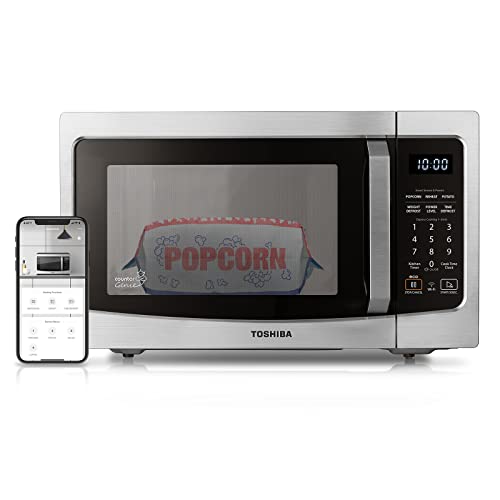
Selecting the ideal countertop unit requires matching your household meal volume with the right balance of wattage and automation. For the best overall combination of high heating capacity and advanced features, the TOSHIBA Microwave Oven with Smart Sensor leads the pack. Its massive 1.6 cubic foot interior, 1200 watt output, position memory turntable, and sound mute function make it an unbeatable kitchen centerpiece.
Homeowners seeking modern connected living will appreciate the TOSHIBA Smart Microwave Oven with Sensor Reheat as our top smart pick. Offering seamless Alexa voice control, 1100 watts of heating power, and built-in humidity detection, it brings effortless automation to daily food prep. The integrated two-step child lock also provides an essential layer of safety for homes with young children.
If countertop space is limited but you refuse to sacrifice heating speed, the TOSHIBA Countertop Microwave Oven, 1.2 Cu.Ft represents the best compact value. Delivering a solid 1000 watt output, six preset sensor menus, and ten power levels, it easily handles everyday cooking demands. Its sleek stainless steel exterior blends effortlessly into any apartment, dorm, or secondary kitchen layout.
Frequently Asked Questions
What is the most versatile option among Best Microwaves under $300 in 2026?
Models offering at least 1.6 cubic feet of capacity combined with 1200 watts of power deliver the highest culinary versatility. These specifications allow you to fit standard 13-inch pizzas and large casserole dishes while significantly cutting down reheating times. Built-in humidity sensors and position memory turntables further enhance daily meal prep convenience.
How does a built-in humidity sensor improve microwave cooking?
Humidity sensors monitor steam levels released by food during the heating cycle and adjust cooking time automatically. This prevents food from drying out around the edges or remaining frozen in the middle by eliminating manual guesswork. Sensor programs ensure optimal texture and moisture retention across varied dishes like soups, veggies, and pizza.
Can you mute the buzzer sound on modern countertop microwaves?
Yes, many top rated countertop appliances now include a dedicated sound on and off function. Users can typically mute all keypress tones and end of cycle chimes by pressing a mute button or holding number key 8 for several seconds. This feature provides quiet operation during early mornings and late evening hours.
What turntable size do I need for standard dinner plates?
Standard round dinner plates measure between 10 and 11 inches in diameter, which fit comfortably on a 12.4-inch turntable. If you frequently use oversized 12-inch platters or square baking dishes, a 13.6-inch glass turntable provides necessary clearance. Checking your largest dishes against interior dimensions avoids turntable jamming during rotation.
How many watts should a reliable countertop microwave have?
A reliable residential microwave should produce between 1000 and 1200 watts of cooking power for optimal speed and even heating. Units below 900 watts take significantly longer to reheat dense meals and often struggle with uniform defrosting. Higher wattage ratings ensure quick boiling, thorough steaming, and consistent meal texture.
How does position memory turntable technology work?
Position memory turntable systems track the starting alignment of the glass tray when cooking begins. Once the cycle finishes, the motor automatically rotates the platter back to its exact starting point. This ensures coffee mug handles and container edges face the door opening for safe handling.
Are smart microwaves with Alexa voice control worth the upgrade?
Smart microwaves provide exceptional convenience by allowing hands-free voice commands to start, pause, and adjust cooking cycles. They are especially helpful when multitasking in busy kitchens or when your hands are messy from food prep. Companion apps also offer expanded preset databases and remote completion alerts.
How does weight defrost differ from standard time defrost?
Weight defrost prompts you to enter the exact mass of frozen food so the internal processor can calculate precise cycling intervals. Time defrost simply runs a reduced power cycle for a user specified duration, which may cause uneven thawing. Weight defrost delivers superior results for poultry, ground beef, and delicate fish fillets.
What clearance space is required around a countertop microwave?
Countertop appliances require approximately three inches of rear clearance and one to two inches of side clearance for proper ventilation. The top of the unit should have at least three inches of open space to prevent heat buildup against upper cabinetry. Proper airflow prolongs component lifespan and prevents internal safety switches from overheating.
How do I activate the child safety lock on my microwave?
Child safety locks are usually engaged by pressing and holding the stop or cancel button for three to five seconds until a beep sounds. An illuminated lock symbol appears on the digital display to confirm that all keypad inputs are disabled. Repeating the same long press procedure disengages the safety lock for normal cooking operation.