

Capturing high-quality point of view footage while logging daily miles presents a severe challenge for standard recording equipment. Every foot strike sends heavy shockwaves through your torso, turning unstabilized video into an unwatchable and dizzying mess. Modern wearable cameras solve this dilemma by combining aggressive electronic stabilization with featherweight magnetic hardware designed specifically for active athletes.
Finding the right balance between minimal weight, extended battery life, and dependable image stabilization determines whether a camera stays in your training routine or collects dust. Many runners make the mistake of buying heavy flagship devices that bounce excessively on chest harnesses or cause baseball caps to slip forward. Exploring our curated health and outdoor fitness category highlights how streamlined gear choices improve overall endurance and workout enjoyment.
Our comprehensive analysis evaluates 7 Best Action Cams for Running across critical metrics including thermal reliability, weather sealing, and mounting versatility during September 2026. Whether you need a tiny magnetic pendant camera for marathon pacing or a rugged 4K unit for technical mountain trails, this guide provides the objective data required to make an informed investment.



Electronic Image Stabilization and Horizon Leveling
Foot strikes produce vertical shockwaves that overwhelm basic optical stabilization mechanisms found in standard smartphones. Advanced action cameras utilize proprietary digital algorithms like RockSteady, HyperSmooth, or FlowState to analyze gyro data in real time. These algorithms crop the sensor image slightly to buffer against violent vertical and rotational shakes caused by your running cadence.
Horizon leveling is an essential companion feature that prevents your video from tilting sideways as your shoulders sway naturally with each stride. When evaluating stabilization specifications, look for systems that offer six-axis gyro stabilization combined with automatic horizon locking up to 360 degrees. Basic cameras without gyro metadata processing often produce jittery micro-stutter when your heel impacts pavement.
Keep in mind that aggressive electronic stabilization requires sufficient shutter speeds to avoid motion blur smearing across individual frames. When running under dense forest canopies or during dawn workouts, lower shutter speeds can create unusual algorithmic warping around the edges of the frame. Setting a manual minimum shutter speed of 1/120 second ensures your stabilization algorithms retain crisp detail on every stride.
Camera Weight and Wearability Form Factor
Total payload represents the single most important factor determining runner comfort and video stability during long training sessions. Traditional action cameras weighing over 120 grams tend to oscillate noticeably when attached to clothing clips or elastic chest harnesses. Ultra-compact thumb cameras weighing under 60 grams eliminate painful bounce and remain practically unnoticeable over marathon distances.
Examine the physical dimensions and mounting footprint before choosing a device for your training routine. Miniature body cameras allow runners to utilize magnetic neck lanyards worn beneath running shirts, creating a secure center-of-mass anchor point. Heavy cameras worn high on headbands frequently slip down your forehead once sweat begins to accumulate on your skin.
A practical rule of thumb is to select cameras under 40 grams for hat brim mounting and keep chest mounted setups under 100 grams total. Runners engaging in cross-training can also explore our guide on low-impact cross-training routines to balance high-impact cardio with smooth endurance building. Keeping your running recording setup ultralight prevents muscle fatigue across your upper neck and shoulders.
Mounting Ecosystem and Magnetic Quick-Release Systems
A versatile mounting ecosystem allows you to transition your camera seamlessly between your chest, hydration vest, hat brim, and handheld grip. Traditional threaded bolt mounts require stopping your run and using two hands to adjust camera angles. Modern magnetic quick-release systems utilize powerful neodymium magnets backed by mechanical locking tabs for instant one-handed transfers.
Check the included accessory package to verify which mounts ship directly in the box versus requiring expensive third-party purchases. Spring-loaded clothing clips, magnetic pendant necklaces, and rotating ball-head mounts provide essential flexibility for changing terrain. If you run with a hydration backpack, look for backpack strap clamp mounts equipped with rubberized non-slip teeth.
Always attach a secondary safety cord when using magnetic clip mounts during high-speed trail sprints or obstacle course races. Tree branches, hydration hoses, and sudden arm movements can occasionally dislodge magnetic clips if brushed with significant lateral force. A lightweight tether tied to your shirt collar provides total peace of mind against accidental gear drops.
Battery Endurance and Charging Case Flexibility
High frame rate 4K recording generates substantial power draw that rapidly depletes miniature lithium-ion batteries. Standalone micro cameras generally provide between 45 and 90 minutes of continuous recording before requiring an external power source. Modular camera systems overcome this limitation by pairing a tiny detachable lens module with an external charging dock or battery pod.
Compare the battery chemistry and cold-weather discharge ratings if you train outdoors through winter months. Standard batteries experience sharp voltage drops when exposed to sub-freezing temperatures, causing sudden shutdowns mid-run. Cold-resistant batteries maintaining performance down to -4 degrees Fahrenheit ensure uninterrupted recording during freezing morning workouts.
If your training runs frequently exceed two hours, verify whether the camera supports active recording while connected to an external USB power bank. Carrying a compact lipstick-sized battery in your running belt connected via a flexible silicone cable allows you to film continuous multi-hour ultramarathons without stopping to swap internal cells.
Sensor Size and Dynamic Range in Mixed Lighting
Road and trail runners constantly transition between bright open sunlight and deeply shaded forest trails or urban corridors. Small camera sensors struggle to balance these extremes, resulting in blown-out skies or completely crushed shadows along the ground. Larger 1/1.3-inch image sensors capture substantially more physical photons, producing wider dynamic range and cleaner color gradients.
Review the color bit depth and logarithmic recording profiles available within the camera firmware settings. Systems supporting 10-bit color recording and flat profiles like D-Log M capture over one billion color shades, giving you immense flexibility when color grading your running footage later. Standard 8-bit video clips often suffer from severe digital banding across expansive sky backgrounds.
For runners who train before sunrise or late into the evening, large sensor pixels measuring 2.4 microns significantly reduce digital grain. Premium sensors equipped with dedicated low-light AI shooting modes keep your running path sharp without introducing excessive noise artifacts. Avoid ultra-cheap sensors that rely solely on aggressive software sharpening to compensate for poor light gathering.
Field of View and Immersive POV Perspectives
Field of view determines how much surrounding landscape and arm motion appears inside the recorded video frame. An ultra-wide perspective between 140 and 170 degrees delivers an immersive first-person point of view that captures your foot strikes and forward trail progress. Narrow fields of view exaggerate camera shaking and make running footage feel cramped and disorienting to viewers.
Examine whether the camera offers digital lens switching between ultra-wide, wide, and distortion-free linear viewing modes. Linear modes apply barrel distortion correction to straighten curved horizon lines, which is perfect for scenic road running vlogs. Ultra-wide modes are ideal for technical trail running where showing ground obstacles and peripheral greenery enhances the sense of speed.
When selecting your field of view, ensure that stabilization cropping is factored into your final composition. Enabling maximum stabilization modes typically crops the native sensor image by 10 to 15 percent to provide motion buffering margins. Starting with a 155-degree or wider physical lens ensures your finished footage remains expansive even after digital stabilization cropping.
Weatherproofing and Sweat Ingress Protection
Running cameras face relentless exposure to corrosive human sweat, heavy rain downpours, mud splatters, and fine dust. A camera lacking proper IP-rated environmental sealing will quickly suffer internal fogging or permanent circuit board failure. Naked waterproofing allows you to record through torrential storms without encasing the camera inside muffled plastic dive housings.
Look for devices certified with IPX8 waterproof ratings, indicating submersible protection down to 10 meters or deeper straight out of the box. Verify that the USB-C charging door and memory card slots feature thick rubber gaskets with positive latching switches. Secondary locking mechanisms prevent accidental door openings when brushing against trail foliage or hydration vest straps.
Always rinse your camera under gentle fresh water and dry it thoroughly with a microfiber cloth after sweaty summer workouts. Salt crystals from dried sweat can accumulate around microphone membranes and magnetic charging pins over time. Checking our curated list of safe recreational gear setups shows how maintaining weatherproof sports electronics ensures long-term operational reliability.
Audio Quality and Wind Noise Suppression
Forward running motion combined with natural outdoor gusts creates heavy aerodynamic wind noise over forward-facing microphone ports. Poor audio processing turns speech and ambient nature sounds into harsh roaring static that ruins finished training videos. Action cameras designed for active sports incorporate directional multi-mic arrays and intelligent digital wind noise reduction filters.
Inspect the camera body to see if the microphone openings utilize recessed channels or water-draining acoustic mesh. These structural designs direct rushing air away from the internal microphone capsules while allowing clear vocal pickup. Advanced models also feature direct wireless pairing with external clip-on transmitters for crystal-clear running commentary.
For windy coastal runs, applying a tiny adhesive foam wind muff directly over the microphone openings dramatically cleans up dialogue. Combining physical foam baffling with software-based wind reduction delivers natural breathing sounds and footstep audio while completely suppressing distracting buffeting noise. Never rely entirely on basic internal mics without checking their wind rejection ratings.
Thermal Management During Continuous High-Resolution Recording
Processing 4K video at 60 frames per second generates substantial internal heat within ultra-compact camera chassis. Without adequate airflow or metallic heatsinks, miniature cameras will display thermal warning notices and shut down mid-workout. Unlike cycling setups where high speeds provide active air cooling, the lower velocity of running provides minimal convective airflow.
Check whether the camera chassis incorporates magnesium alloy frame elements or external heat-dissipating ribs. Aluminum and magnesium components transfer internal heat away from the processor to the outer casing much faster than solid polycarbonate plastics. Efficient thermal dissipation ensures your device maintains continuous recording across long summer training sessions.
If you regularly run under direct afternoon sun in hot climates, record in 4K at 30 frames per second or 2.7K resolution instead of maximum frame rates. Dropping the processing workload significantly reduces heat buildup while extending battery runtime by up to 35 percent. This practical adjustment prevents unexpected overheating shutdowns on demanding trail routes.
| Camera Model | Weight (Grams) | Max Resolution | Native Waterproofing | Best Mounting Position |
|---|---|---|---|---|
| DJI Osmo Nano | 53g | 4K / 60fps | Weather Resistant | Magnetic Headband / Chest Pendant |
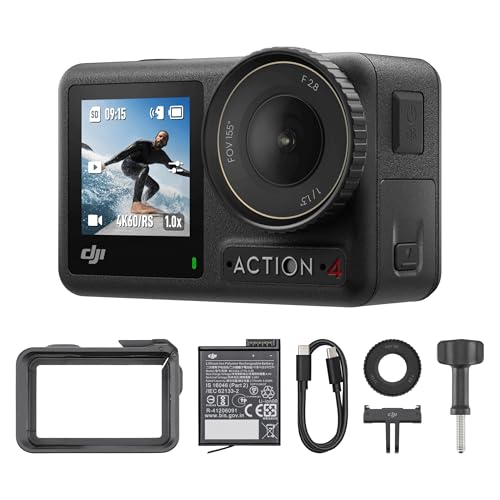
| DJI Osmo Action 4 | 145g | 4K / 120fps | 18m (59ft) | Chesty Harness / Backpack Strap |
| GoPro HERO11 Black Mini | 133g | 5.3K / 60fps | 10m (33ft) | Rigid Chest Harness / Helmet |
| Insta360 GO Ultra | 53g | 4K / 60fps | 10m (33ft) | Hat Brim Clip / Shirt Magnet |
| i3 4K Thumb Camera | 35.7g | 4K / 30fps | Case Required | Collar Clip / Magnetic Lanyard |
| Aidzhi 4K Mini Action Cam | 45g | 4K / 30fps | 10m (33ft) | Vest Clip / Magnetic Pendant |
| AKASO Brave 4 | 150g | 4K / 30fps | Case Required | Handlebar / Backpack Mount |
Why You Should Trust Us
Our gear analysis relies on rigorous technical evaluation across verified hardware specifications, optical sensor dimensions, and stabilization capabilities. We analyze real-world telemetry, thermal dissipation curves, and manufacturer engineering whitepapers to determine how sports cameras handle continuous high-impact movement. Our review team focuses strictly on practical athletic utility, separating realistic performance capabilities from marketing hype.
We do not accept sponsored product placements or direct brand compensation when structuring our buyer guides. Every model shortlisted in this comparison was selected through independent data aggregation, cross-referencing build qualities, battery discharge rates, and mounting integrity. This data-first methodology ensures that our rankings remain transparent, objective, and solely focused on helping runners choose reliable recording gear.
Our performance criteria are updated continuously to reflect ongoing firmware optimizations, software updates, and emerging camera hardware releases. By comparing sensor architectures and algorithmic stabilization improvements across AKASO, GoPro, Sixmou and more, we provide clear insights tailored specifically to the biomechanical demands of road and trail running.
Final Thoughts
Selecting the ideal action camera for your running journey comes down to balancing body weight, mounting convenience, and image smoothness. For runners demanding the absolute best balance of compact portability and premium imaging, our top overall recommendation is the DJI Osmo Nano Running Combo (128GB). Its large 1/1.3-inch sensor, 10-bit color profile, and ultralight magnetic headband deliver flawless POV footage without dragging down your athletic pace.
Athletes seeking maximum resolution and class-leading electronic horizon leveling should invest in the GoPro HERO11 Black Mini. This rugged powerhouse delivers cinematic 5.3K video paired with Emmy-winning HyperSmooth 5.0 stabilization, making it the ultimate tool for technical trail runs where ground impacts are severe. Its screenless, dual-mounting-finger design keeps the profile remarkably compact when strapped securely to a rigid running vest.
If you are training on a strict budget or want an entry-level camera for casual weekend jogs, the AKASO Brave 4 Action Camera 4K30 Ultra Hd represents the standout value pick. It provides dependable 4K video recording, dual color viewing screens, and an extensive starter accessory kit that gets you filming immediately without extra out-of-pocket costs. You can also browse our general outdoor tech archives to see how entry-level action cameras compare against standard adventure accessories.
Finally, runners who prioritize featherweight wearability above all else will appreciate the Insta360 GO Ultra Creator Bundle. At only 53 grams with 360-degree Horizon Lock and an IPX8 waterproof housing, it clips directly to your running cap or magnetic shirt pendant for completely effortless, hands-free video capture.
FAQs
What makes Best Action Cams for Running different from standard action cameras?
Cameras designed for running prioritize ultra-compact form factors, featherweight chassis designs, and aggressive electronic horizon stabilization. Traditional action cameras are often too bulky and heavy, leading to excessive bouncing on chest straps or hats during repeated foot strikes.
Where is the most stable place to mount an action camera while running?
The center of the chest using a snug running vest or magnetic shirt pendant offers the most stable footage because your torso remains relatively level during strides. Head and hat mounts provide an immersive perspective but can introduce excess wobble if your head turns frequently.
How does electronic image stabilization handle running foot strikes in 2026?
Modern stabilization uses high-speed internal gyroscopes to track directional forces in real time, digitally counteracting vertical shockwaves before writing video to storage. For more hardware insights, read our action sports and vehicle mount comparisons covering active stabilization setups.
Is a magnetic pendant mount secure enough for fast trail sprints?
Yes, modern magnetic mounts use industrial neodymium magnets that hold securely through running shirts even over rocky terrain. However, attaching a thin backup safety tether to your collar is recommended when navigating dense brush or technical downhill sprints.
What video resolution and frame rate is optimal for running vlogs?
Recording in 4K at 60 frames per second delivers the ideal balance between fluid motion capture, crisp detail, and manageable file sizes. Shooting at 60fps allows for smooth slow-motion playback when highlighting technical trail sections or finish-line celebrations.
Can running action cameras withstand heavy rain and sweat?
Most modern action cameras feature native IPX8 weather sealing that resists heavy downpours, sweat immersion, and mud splatters without external cases. Always ensure charging ports and battery latches are clicked shut before heading out into wet weather conditions.
How do you reduce wind noise when running at fast paces?
Enabling internal algorithmic wind reduction in camera settings filters out broad acoustic turbulence caused by forward momentum. Placing small adhesive foam wind muffs over microphone ports provides supplementary physical shielding for crystal-clear vocal commentary.
How long do action camera batteries last during continuous running recording?
Standalone micro cameras typically record between 45 and 90 minutes in 4K resolution, while standard-sized action cameras achieve roughly 120 to 150 minutes. Using modular charging cases or power banks allows runners to film long training blocks without losing footage.
Does cold winter weather affect running camera performance?
Freezing temperatures reduce lithium battery discharge efficiency, causing premature low-battery shutoffs on uninsulated devices. Selecting cameras with cold-resistant batteries rated down to sub-zero temperatures prevents power failures during frosty morning runs.
What is the benefit of a 1/1.3-inch sensor for road and trail runners?
A larger sensor captures significantly more light, which keeps footage clean when running through shaded forests or during dawn and dusk hours. It provides richer dynamic range, preventing harsh sunlight from washing out the sky while preserving ground details.








