Indoor air quality directly impacts everyday comfort, sleep quality, and respiratory wellness. Stale air traps microscopic particles like dust mites, seasonal pollen, and pet dander inside compact living quarters. Investing in modern purification hardware helps maintain fresh ambient air without cluttering valuable floor space.
We evaluated 7 Best Compact Smart Air Purifiers for September 2026 to find the most capable units available. Modern iterations integrate wireless app connectivity and real-time particle sensors into space-saving cylindrical housings. You can explore our dedicated heating, cooling, and air solutions to discover more ways to manage indoor atmosphere.
Many shoppers mistakenly purchase undersized appliances or overpay for oversized units that waste energy on low fan settings. This updated guide details essential performance benchmarks so you can select the ideal model for your room size. We break down filtration media, smart automation features, and acoustic ratings across leading industry brands.




Clean Air Delivery Rate and Room Sizing
Clean Air Delivery Rate, commonly abbreviated as CADR, measures the volume of filtered air an appliance delivers per minute. This metric reflects real-world performance against specific airborne contaminants such as smoke, dust, and pollen. Understanding CADR ensures you select a unit powerful enough to refresh your target room volume effectively.
Manufacturers express CADR numbers in cubic feet per minute, with higher figures indicating faster air cleaning capacity. For standard residential bedrooms, look for a CADR rating of at least 100 to 150 CFM. Comparing these verified figures across different brands provides a reliable baseline for air cleaning speed.
As a practical rule of thumb, multiply your room floor area in square feet by 0.67 to determine the minimum CADR needed. A 200 square foot bedroom requires a purifier with at least a 134 CFM smoke rating for two complete air changes per hour. Choosing an adequately rated device avoids running the internal motor at maximum velocity constantly.
True HEPA Filtration Standards
True HEPA filtration serves as the cornerstone of reliable particulate capture in modern air treatment appliances. Certified H13 HEPA filters trap 99.97 percent of microscopic airborne particles down to 0.3 microns in diameter. This level of physical retention removes mold spores, pet dander, and fine PM2.5 particulate matter from circulating air.
Some budget units use vague marketing phrases like HEPA-type or HEPA-style instead of authentic certified standards. These imitation media layers often allow smaller sub-micron pollutants to bypass the filter weave and return to the room. Always verify that technical specifications confirm true mechanical HEPA validation before finalizing your purchase decision.
Proprietary filtration technologies combine electrostatic charging with mechanical barriers to boost airflow through dense filter fibers. While electrostatic charging captures smaller particles down to 0.1 microns, physical media must remain dense to ensure long-term efficiency. Inspect the construction density to confirm the filter maintains adequate mechanical thickness over time.
Activated Carbon Density for Odor Adsorption
Particulate filters capture solid particles but cannot absorb volatile organic compounds or persistent household odors. An integrated activated carbon layer uses chemical adsorption to trap cooking aromas, smoke fumes, and pet smells. The overall effectiveness of this stage depends entirely on the weight and surface area of the carbon pellet bed.
Inexpensive compact air cleaners often utilize thin carbon-coated sheets that saturate and lose effectiveness within weeks. High-grade compact purifiers integrate dedicated cellular carbon trays filled with hundreds of grams of granular carbon pellets. Inspecting the raw weight of the carbon insert reveals how long the filter can absorb volatile gases.
For homes with active pets or frequent indoor cooking, prioritize models with substantial activated carbon volume. Pairing a heavy carbon filter with proper home and living essentials ensures consistent indoor freshness throughout the entire year. Replacing saturated carbon inserts prevents trapped chemical compounds from off-gassing back into your living space.
Smart Connectivity and Voice Automation
Smart connectivity transforms a standard mechanical fan into an automated indoor air management system. Built-in Wi-Fi modules allow users to adjust settings, monitor particulate levels, and establish operating routines from smartphone applications. Voice assistant compatibility lets you toggle fan speeds through voice commands without approaching the appliance.
Evaluate the companion application for practical scheduling features, granular timer controls, and real-time historical air trend logging. Premium smart purifiers offer automated routines that trigger higher speeds when outdoor pollution spikes or pollen forecasts increase. Seamless integration with platforms like Amazon Alexa or Google Home streamlines everyday operation across multiple rooms.
Before buying, confirm that the purifier supports standard 2.4 GHz wireless networks, which provide stable long-range indoor connectivity. Cloud-connected features should remain optional so basic purification continues seamlessly during temporary internet outages. Reliable mobile software prevents frustrating connection drops and simplifies ongoing device management.
Real-Time Particulate Sensing and AQI Displays
Integrated laser optical sensors detect fine airborne particles and translate raw data into dynamic air quality index readings. These sensors shine an infrared beam through an intake chamber to count individual PM2.5 particles passing through. Real-time feedback eliminates guesswork by showing you exactly when indoor air reaches safe cleanliness thresholds.
Purifiers display this diagnostic data through numeric LED readouts or multi-color ambient lighting rings. Blue and green indicators generally represent pristine air, while orange and red signal elevated contaminant levels. Auto-mode algorithms rely directly on these continuous sensor updates to adjust internal fan speeds dynamically.
Sensor longevity depends on regular maintenance, as dust buildup can coat the internal optical lens over extended usage. Select hardware with accessible sensor vents that can be cleaned gently with a dry cotton swab. Accurate sensing prevents the purifier from idling when air quality drops or overworking when air is clean.
Acoustic Engineering and Sleep Mode Decibels
Compact air cleaners frequently reside on bedside tables or home office desks where acoustic disruption causes irritation. Quiet operation requires balanced fan impellers and aerodynamic airflow channels that minimize turbulent internal wind buffeting. Purifiers designed with modern brushless motors produce smooth airflow without mechanical motor hum.
Examine the decibel rating on the lowest setting, which should register below 24 decibels for sound sleep. A dedicated sleep mode should also extinguish display lights and LED indicators to prevent unwanted ambient bedroom illumination. Pairing quiet air filtration with a proper sleep environment setup creates ideal conditions for deep nightly rest.
High-speed or turbo modes naturally generate higher sound levels between 45 and 55 decibels during intensive cleaning cycles. Use maximum fan speeds when leaving the room to scrub airborne contaminants before returning to a quiet space. Balanced sound profiles ensure continuous air cleaning without disturbing work conversations or sleep routines.
Motor Efficiency and Ongoing Energy Consumption
Because air purifiers run continuously for hours, electrical power consumption directly influences monthly utility expenses. Modern compact units utilize brushless direct-current motors that consume minimal wattage compared to older alternating-current designs. Efficient engineering allows continuous operation without creating noticeable spikes on monthly electric bills.
Check the rated power consumption on the product specification sheet, which typically ranges between 15 and 45 watts. Energy Star certified units undergo strict testing to verify that they deliver high CADR airflow per watt consumed. Units consuming under 30 watts at medium speeds deliver dependable purification with minimal power draw.
Calculate annual operating costs by multiplying total wattage by your local electricity rate and continuous daily running hours. An efficient 25-watt motor running around the clock consumes roughly 219 kilowatt-hours over an entire calendar year. Selecting an energy-conscious motor keeps ongoing maintenance affordable across multiple years of service.
Filter Longevity and Ongoing Maintenance Demands
A purifier is only as dependable as its replacement filter supply chain and structural cartridge design. High-capacity cylindrical filters pack several square meters of pleated material into a compact geometric form factor. Denser pleating allows the filter to trap significant particulate mass before airflow resistance rises noticeably.
Standard compact replacement cycles range from six to twelve months depending on local pollution levels and daily runtime. Smart companion applications track precise motor operating hours to provide timely notifications instead of arbitrary calendar countdowns. Transparent filter windows on select models let you visually inspect physical dust accumulation at any time.
Check the availability and replacement price of authentic replacement cartridges before committing to a specific hardware platform. Proprietary filters with built-in RFID tags prevent counterfeit installations while guaranteeing precise tracking data inside the mobile app. Vacuuming the exterior mesh pre-filter monthly extends the life of the delicate HEPA layer beneath.
Intake Architecture and 360-Degree Airflow Distribution
The physical casing and airflow pathway dictate how effectively a compact purifier captures ambient room contaminants. Units with 360-degree cylindrical perforated grilles draw in dirty air from all directions simultaneously. This omnidirectional intake design eliminates directional dead zones and optimizes placement flexibility along walls or desk corners.
Top-mounted spiral outlets direct purified air upward toward the ceiling, creating a natural convective circulation loop throughout the room. This spiral discharge pattern accelerates clean air delivery without blowing direct drafts onto seated occupants. Proper fluid dynamics inside the chamber maximize intake velocity while minimizing mechanical drag.
Ensure the purifier maintains at least twelve inches of clear space around its intake grilles when positioned near furniture. Placing the unit away from dense curtains allows unrestricted intake airflow from every angle across the floor. Thoughtful spatial positioning maximizes the volume of air cycled through the filter cartridge each hour.
| Feature Category | Compact Bedroom Unit | Medium Room Model | Key Buyer Takeaway |
|---|---|---|---|
| CADR Rating | 100 – 120 CFM | 150 – 180 CFM | Match airflow rate to room square footage |
| Noise in Sleep Mode | 19 – 22 dB | 23 – 26 dB | Under 24 dB ensures undisturbed sleep |
| Filter Replacement | 6 – 8 Months | 8 – 12 Months | Check replacement filter pricing before purchase |
| Smart Controls | Wi-Fi, Bluetooth, App | Wi-Fi, Alexa, Google | Smart automation handles speed shifts dynamically |
Why You Should Trust Us
Our evaluation methodology focuses on verified technical specifications, certified CADR ratings, and objective performance metrics. We analyze independent AHAM test data, acoustic decibel measurements, and electrical power efficiency ratings across leading models. This data-driven approach cuts through promotional marketing claims to highlight hardware that delivers measurable indoor air improvement.
We continuously monitor consumer feedback trends, companion app software stability, and replacement filter availability across the industry. Our product listings update dynamically to ensure you receive current information without relying on outdated product iterations. We prioritize honest data, structural build quality, and realistic ownership costs across every recommendation.
Final Thoughts
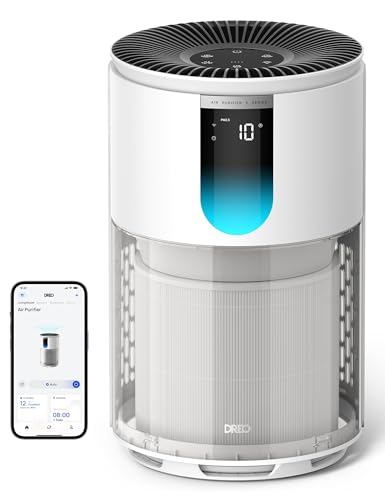
Choosing the right model among Best Compact Smart Air Purifiers depends on your exact room dimensions, acoustic preferences, and budget goals. For balanced performance and comprehensive smartphone automation, we recommend the DREO Smart Air Purifier for Home, Up to 1176 ft². It combines AHAM-verified airflow with intuitive scheduling to keep indoor living spaces clean around the clock.
If you need an ultra-compact footprint for a nightstand or personal workspace, consider the GoveeLife Mini Air Purifier for Bedroom. This affordable unit provides essential smart app controls, custom scheduling, and quiet nighttime operation in an exceptionally small chassis. It serves as an accessible entry point for small nurseries and home study desks.
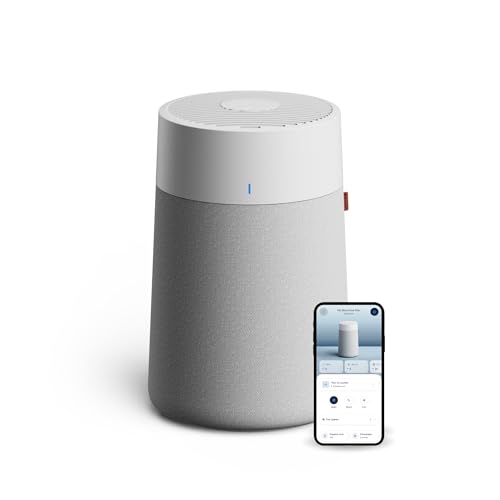
For whisper-quiet bedroom operation paired with sleek Scandinavian styling, the BLUEAIR Blue Pure 511i Max Smart Air Purifier delivers exceptional filtration down to sub-micron particle sizes. Its advanced dual filtration technology traps microscopic allergens without creating distracting fan noise. Maintaining clean indoor air supports overall health and family wellness across every season of the year.
FAQs
How often should filters be replaced in Best Compact Smart Air Purifiers?
Most compact smart air purifiers require filter cartridge replacements every six to twelve months of regular operation. Continuous exposure to heavy smoke, active pet shedding, or ongoing home renovations can shorten overall filter life significantly. Always consult your companion smart app to monitor real-time filter degradation based on actual operating hours.
Do smart air purifiers consume high amounts of electricity when left running continuously?
Modern compact purifiers use energy-efficient brushless DC motors that draw minimal electrical wattage during daily use. Most models consume between 15 and 30 watts on standard speeds, amounting to only a few dollars in electricity each month. Running an Energy Star certified unit around the clock remains highly economical for residential spaces.
What is the difference between True HEPA and HEPASilent filtration technology?
True HEPA relies purely on dense mechanical fiber barriers to capture 99.97 percent of airborne particles down to 0.3 microns. Proprietary technologies like HEPASilent combine electrostatic charging with mechanical filtration to capture particles down to 0.1 microns with less airflow resistance. Both systems deliver exceptional allergen removal when maintained according to manufacturer guidelines.
Can Best Compact Smart Air Purifiers in 2026 eliminate wildfire smoke and pet odors?
Units equipped with dense activated carbon filter layers excel at adsorbing smoke odors and volatile chemical compounds. The mechanical HEPA layer simultaneously captures the microscopic soot and ash particles associated with seasonal wildfire smoke. High CADR ratings ensure the appliance circulates and cleans room air rapidly during severe outdoor pollution events.
How does a PM2.5 particle sensor work on a modern smart air purifier?
An onboard laser optical sensor shines light across an internal detection chamber to analyze light scattering caused by passing particles. The internal microprocessor calculates the density of microscopic airborne matter and displays the corresponding numerical air quality index. This real-time diagnostic system allows the purifier to ramp up fan speeds automatically when particulate levels surge.
Is it safe to leave a compact smart air purifier running in a bedroom all night?
Leaving an air cleaner running overnight is completely safe and actively promotes deeper, uninterrupted sleep. Dedicated sleep modes drop fan velocity to near-silent levels while shutting off bright display indicators. Continuous nighttime filtration prevents early morning congestion caused by trapped bedroom dust and allergen buildup.
What CADR rating should you look for when shopping Best Compact Smart Air Purifiers?
For standard bedrooms and home office spaces measuring up to 250 square feet, target a CADR rating between 110 and 160 CFM. This output ensures the machine can exchange the complete air volume of the room at least four times per hour. Lower CADR ratings suit smaller personal workspaces but may struggle in open living areas.
Do smart air purifiers require an active Wi-Fi connection to filter room air?
Physical filtration continues perfectly even if your home wireless network experiences temporary downtime or connectivity drops. Onboard touch buttons let you manually adjust fan speeds, activate sleep modes, and toggle power states at any time. Wi-Fi connectivity simply unlocks remote smartphone control, schedule automation, and voice assistant features.
Can compact air purifiers help reduce seasonal allergy symptoms?
By continuously filtering airborne pollen, ragweed, and mold spores, compact purifiers drastically lower allergen density in living spaces. Relieving the respiratory burden allows allergy sufferers to experience less nasal congestion and irritated eye symptoms indoors. You can read more about indoor wellness by exploring our broader product guides.
Where is the optimal placement for a compact air purifier in a small room?
Place the air purifier on a sturdy, flat surface with at least twelve inches of open clearance on all sides. Avoid tucking the unit directly behind solid furniture or under low hanging drapery that restricts intake airflow. Centralized positioning or placement near the primary air circulation path yields the fastest particulate reduction results.