Maintaining expansive carpeted floors in commercial buildings, hotels, and schools presents a relentless operational challenge. Standard residential carpet cleaners lack the tank capacity, pump pressure, and industrial suction required to handle thousands of square feet of stained flooring. Selecting the Best High-Capacity Carpet Extractors allows custodial teams to deep-clean commercial carpets rapidly while significantly reducing water-dumping interruptions.
Our team evaluated 7 top-performing commercial models for September 2026, comparing brands such as Powr-Flite, TECHTONGDA, Dapper Supply and more across vital performance metrics. High-traffic facilities require heavy-duty extraction machinery that balances fluid volume, mechanical agitation, and rapid dry times to keep downtime minimal. Explore our related resources on essential equipment for cleaner indoor environments to optimize your overall property maintenance routine.
Whether you manage a busy hospitality venue, an educational campus, or a professional carpet cleaning business, choosing the proper extractor protects your flooring investment. This guide covers essential mechanical specifications, tank sizing equations, and agitation systems so you can make an informed commercial purchase. Review our comprehensive evaluation below to identify the ideal extraction platform for your facility maintenance demands.




Selecting commercial carpet extraction equipment requires evaluating how mechanical agitation, water pressure, thermal energy, and suction interact during daily cleaning cycles. Investing in underpowered machinery results in overwet carpets, extended drying intervals, and rapid soil re-deposition along primary footpaths. Understanding the following core engineering criteria will ensure your maintenance team operates with maximum productivity and efficiency.
Solution and Recovery Tank Capacity
Tank volume directly dictates how many continuous square feet an operator can extract before pausing to refill clean solution or empty recovery water. Commercial extractors feature clean solution tanks ranging from 8 to 21 gallons paired with matching industrial recovery chambers. Maximizing your fluid capacity eliminates repetitive trips to janitorial supply closets, saving dozens of labor hours across large floor plans.
When assessing tank specifications, verify that the recovery tank volume aligns closely with the clean water reservoir capacity. An undersized recovery tank forces early machine shutoffs via internal float valves long before the clean water supply empties. Premium commercial designs maintain balanced dual-tank proportions to ensure continuous, predictable cleaning intervals across extensive hospitality and office corridors.
A practical operational rule of thumb allocates one gallon of solution capacity for every one hundred square feet of commercial glue-down carpeting. Properties exceeding five thousand square feet of carpet should prioritize units with at least 10 gallons of onboard capacity. Selecting the proper volume minimizes unproductive transit time and keeps your custodial staff focused on deep fiber restoration.
Vacuum Motor Power and Water Lift Performance
Thorough extraction relies on negative pressure to pull suspended dirt, chemical residue, and wastewater out of dense commercial pile. Standard vacuum motors frequently leave carpets oversaturated, creating persistent mildew hazards and causing pedestrian slipping accidents on adjacent hard floors. High-output multi-stage vacuum motors generate the sealed water lift necessary to accelerate drying times and protect carpet underlayment.
Water lift ratings measure the vertical suction strength of the vacuum motor, while cubic feet per minute indicates total air movement volume. For commercial deep extraction, target machines delivering at least 100 to 125 inches of water lift alongside powerful multi-stage airflow. This robust vacuum force pulls moisture from deep backing fibers rather than skimming only surface moisture.
As an industry standard, high-efficiency commercial extractors should leave carpet moisture content below ten percent immediately following the final vacuum pass. Removing excess water prevents detergent residue from attracting fresh soil and keeps carpet adhesives firmly bonded to concrete subfloors. Always prioritize multi-stage vacuum motors when outfitting high-traffic commercial environments with heavy daily foot traffic.
Cleaning Path Width and Agitation Brush Speed
Mechanical brush agitation dislodges stubborn soils and embedded grit that static vacuum wands and liquid chemicals cannot release alone. Motorized cylindrical brush heads spinning between 900 and 1300 RPM scrub each carpet fiber thoroughly before vacuum recovery occurs. Incorporating active brush agitation restores crushed carpet pile and improves overall fiber texture across high-wear entryways.
Cleaning path widths on commercial extractors typically range from 11 inches up to 18 inches across the front scrub deck. Wider 18-inch scrub heads clear large auditoriums, hotel ballrooms, and corporate lobbies in significantly fewer passes. For ideas on maintaining diverse building materials, see our recommendations for heavy-duty furnishings and durable commercial surfaces.
However, cleaning path width involves an operational trade-off between open-floor speed and tight-space maneuverability. Sprawling conference halls benefit tremendously from wide self-contained decks that cover maximum square footage per hour. Conversely, congested office cubicles and narrow guest rooms require compact 11-inch to 13.8-inch brush housings that navigate around furniture effortlessly.
Water Heating Capability and Thermal Extraction
Thermal energy dramatically accelerates chemical breakdown when attacking oily residues, tracked-in grease, and embedded food spills. Heated carpet extractors incorporate onboard heating elements that elevate water temperatures between 95 and 140 degrees Fahrenheit. Hot water extraction softens stubborn bonding agents and sanitizes carpet fibers much faster than ambient tap water.
Built-in heating systems require substantial electrical power, frequently drawing over 3000 watts across dedicated commercial circuits. While ambient cold-water units handle routine maintenance cleaning cost-effectively, heated extraction delivers superior results in greasy dining rooms and healthcare facilities. Review your building electrical breaker capacity before deploying high-wattage heated extractors across older commercial structures.
If your daily maintenance primarily targets dry dust and light surface dirt, a high-capacity cold-water extractor offers outstanding durability and lower energy consumption. Choose heated extraction whenever your facility encounters greasy food stains, beverage spills, or strict hygiene mandates. The elevated temperature reduces chemical consumption by boosting detergent emulsification naturally.
Solution Pump Pressure and Spray Delivery Systems
Solution pump pressure dictates how effectively cleaning detergent penetrates dense commercial carpet weaves without causing bottom-layer backing saturation. Commercial carpet extractors provide solution pressure ratings ranging from 70 PSI for delicate fabrics up to 160 PSI for industrial carpets. Proper injection pressure ensures cleaning chemistry reaches the root of carpet fibers to dissolve compacted dirt.
Pump delivery volume is measured in gallons per minute, typically flowing between 0.3 and 0.8 GPM across commercial spray nozzles. Removable brass or stainless steel spray jets create uniform fan patterns that apply solution evenly across the entire cleaning path. High-grade brass fittings resist chemical corrosion and prevent uneven spray streaking during high-speed cleaning passes.
For standard commercial low-pile carpets, operating within a 100 to 160 PSI range provides optimal soil release without overwetting. Always ensure that fluid delivery lines feature serviceable inline mesh filters to stop suspended chemical crystals from clogging spray nozzles. Consistent pump pressure guarantees reliable chemical distribution across hundreds of operating hours.
| Extractor Category | Solution Tank Volume | Motor Wattage | Cleaning Path Width | Recommended Facility Application |
|---|---|---|---|---|
| Compact Commercial | 2.5 to 8 Gallons | 1000W to 1400W | 11 to 13.8 Inches | Boutiques, Small Offices, Classrooms |
| Mid-Size Walk-Behind | 9 to 11 Gallons | 1400W to 2000W | 14 to 18 Inches | Hotels, Medical Clinics, Office Floors |
| Heavy-Duty Industrial Box | 14 to 21 Gallons | 2000W to 3700W | 18 Inches or Wand | Convention Centers, Large Venues, Ballrooms |
Chassis Durability and Machine Mobility Hardware
<nIndustrial carpet extractors must endure tough daily use, including loading into utility vans, navigating door thresholds, and bumping into furniture. Heavy-duty rotomolded polyethylene bodies and stainless steel canisters provide superior impact resistance and chemical tolerance. These rugged materials withstand aggressive cleaning detergents, acidic rinses, and physical impacts without cracking or corroding.
A fully filled 10-gallon extractor can easily weigh over one hundred and twenty pounds during active floor operations. Large non-marking 10-inch to 12-inch rear wheels combined with smooth industrial front casters are vital for effortless steering across carpeted rooms. Stair-assist skids and integrated loading wheels on the handle structure allow single operators to transport equipment safely.
Ergonomic handle designs with intuitive fingertip switch controls minimize operator fatigue during extended cleaning shifts. High-grade mobility hardware reduces the physical effort required to maneuver heavy extraction machinery through crowded corridors. Investing in a robust chassis protects internal motors from impact damage and guarantees years of dependable commercial operation.
Power Cord Reach, Hose Length, and Detailing Tools
<nOperating across extensive square footage demands generous power cord lengths to minimize unproductive outlet switching throughout the workday. Commercial machines generally include 25-foot to 50-foot heavy-duty power cords that provide expansive operational radiuses from a single wall outlet. Long power cables let cleaning crews sanitize entire hallways without constantly hunting for available electrical points.
Versatile carpet extractors feature auxiliary vacuum and solution ports that accept specialized hand tools, detail wands, and extension hoses. These auxiliary hoses allow custodial staff to clean stair risers, fabric office partitions, and automotive interiors with ease. For specialized vehicle carpet care tips, explore our guide on durable interior cleaning tools and automotive care.
When purchasing an extractor for mixed facility tasks, select a model that includes flexible 8-foot to 16-foot accessory hoses. Stainless steel hand tools with integrated spray triggers provide the mechanical strength needed for stubborn spot scrubbing on furniture. Rapid quick-disconnect brass couplers let operators switch between floor scrub decks and detailing wands in seconds.
Maintenance Access, Filtration, and Wastewater Drainage
<nRoutine post-cleaning maintenance dictates whether commercial extraction machinery survives beyond its factory warranty coverage. Clamshell chassis designs and removable service panels grant rapid access to vacuum motors, internal pumps, and wiring harnesses. Easy mechanical access allows facility technicians to perform routine inspections and minor repairs without expensive shop downtime.
Industrial recovery tanks require heavy-duty lint filters to capture carpet fibers, hair, and coarse debris before dirty air enters the vacuum motor. Washable stainless steel or high-density cotton filter assemblies prevent motor impeller damage and sustain peak water lift performance. Clear dome recovery lids allow operators to monitor foam accumulation and wastewater clarity in real time.
Bucket-height drain gates or flexible rear gravity dump hoses allow operators to discharge dirty wastewater into standard janitorial sinks quickly. Gravity drainage prevents back injuries by eliminating the need to lift heavy dirty water tanks manually. Simple cleaning and draining routines protect internal vacuum motors from moisture intrusion and chemical corrosion.
Operational Noise Levels in Occupied Spaces
<nAcoustic output is a primary purchasing factor for healthcare facilities, educational institutions, and active commercial office buildings. Commercial carpet extractors produce sound levels ranging from 68 decibels up to 82 decibels depending on internal motor dampening. Low-noise machines allow facility crews to clean during regular business hours without disrupting staff productivity or disturbing patients.
Acoustic motor baffling and insulated air exhaust channels dissipate high-frequency motor whine during continuous operation. Choosing equipment operating at or below 70 decibels eliminates the need to schedule costly after-hours cleaning shifts. Daytime cleaning capability streamlines custodial labor schedules and lowers facility operating costs significantly.
When reviewing product sound ratings, look for machines featuring vibration-dampened motor mounts and enclosed chassis compartments. Lower operational noise levels improve workplace ergonomics and hearing safety for custodial staff operating machinery for hours. Prioritizing quiet operation expands your scheduling flexibility across occupied corporate and hospitality environments.
Why You Should Trust Us
<nOur review process relies on rigorous data analysis, verified manufacturer engineering data, and real-world commercial performance benchmarks. We evaluate commercial floor care machinery by comparing pump pressures, airflow ratings, tank volume balances, and motor longevity. We do not accept promotional items or manufacturer sponsorships, ensuring that every assessment remains completely objective and unbiased.
<nOur technical team analyzes verified customer feedback, service repair records, and industrial warranty coverages to understand long-term equipment reliability. We evaluate how each extractor performs across challenging environments like schools, medical centers, hotels, and sprawling office complexes. This rigorous methodology helps property managers invest with complete confidence in dependable commercial equipment.
Final Thoughts
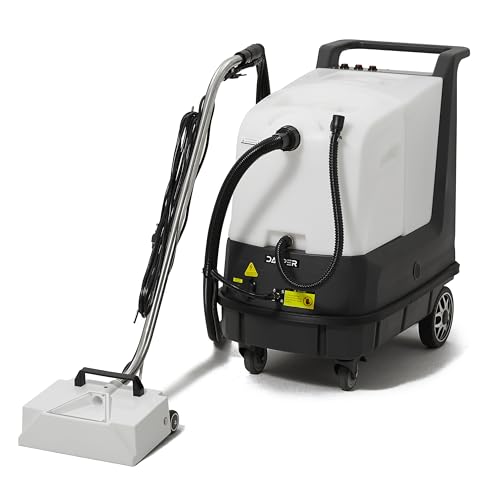
<nSelecting the ideal commercial carpet extractor depends on your facility size, carpet fiber type, and available custodial labor hours. For operations requiring maximum cleaning power and thermal restoration, we recommend the Dapper Commercial Box Carpet Extractor with 13″. Its powerful 3700W dual suction system and integrated solution heating deliver unparalleled deep soil removal for heavily soiled commercial properties.
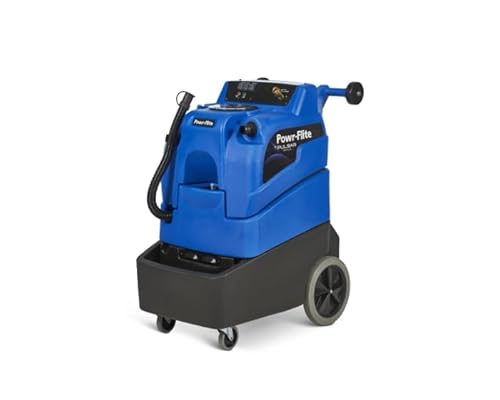
<nIf you manage expansive hallways and prioritize rapid one-pass productivity, the Powr-Flite PFX900S Prowler Self-Contained Carpet is an outstanding investment. Its 1300 RPM chevron brush and wide 18-inch cleaning deck scrub vast carpet areas in record time. Facilities seeking high tank capacity with reliable water lift will also appreciate the heavy-duty Powr-Flite Pulsar Gamma 10-Gallon Carpet Extractor.
<nFor facilities operating on tight maintenance budgets, the TECHTONGDA Commercial Carpet Cleaner 80L/21Gal provides massive tank volume and durable stainless steel construction. Smaller facilities and spot cleaning teams will find exceptional versatility in the compact 3 in 1 Commercial Carpet Cleaner. Compare these top models against your specific floor plans to keep your commercial carpets clean, fresh, and durable.
<nFor additional commercial equipment comparisons and building maintenance tips, explore our general product review guides. Choosing the right machinery elevates cleaning quality while lowering ongoing labor expenses across your entire property.
Frequently Asked Questions
<nHow often should commercial carpets undergo deep extraction?
<nHigh-traffic commercial carpets in entryways and main corridors should undergo deep extraction every one to three months. Secondary offices and conference rooms generally require thorough extraction every six months to prevent soil buildup. Regular maintenance extraction extends carpet lifespan and preserves indoor air quality.
What makes Best High-Capacity Carpet Extractors superior to home carpet cleaners?
<nThe Best High-Capacity Carpet Extractors offer substantially larger solution tanks, higher pump pressures, and industrial multi-stage vacuum motors. Unlike residential units, commercial extractors feature durable polyethylene bodies, continuous-duty brush motors, and high water lift that extracts moisture deeply. These commercial features allow custodial crews to clean large commercial spaces without constant mechanical breakdown.
Does hot water extraction harm commercial carpet backing?
<nHot water extraction will not damage commercial carpets when the machine maintains proper pump pressure and strong vacuum recovery. Commercial carpet fibers like nylon and polypropylene are engineered to withstand temperatures up to 140 degrees Fahrenheit safely. However, operators must avoid soaking carpets by maintaining steady forward machine speed during every pass.
What is the primary difference between box extractors and self-contained extractors?
<nSelf-contained extractors feature an integrated motorized brush head and vacuum shoe mounted directly beneath the machine chassis for one-pass walk-behind cleaning. Box extractors house the solution and recovery tanks in a wheeled unit that connects to external floor wands or powered heads via hoses. Self-contained extractors excel in wide hallways, while box units provide greater versatility in furnished rooms.
How does sealed water lift differ from CFM airflow when evaluating extractors?
<nWater lift measures the pure vertical suction strength generated by the vacuum motor when airflow is sealed off. Cubic feet per minute measures the total volume of air moving through the recovery hose during operation. High water lift pulls deep moisture out of thick carpets, while high airflow carries dirty water away quickly.
Can high-capacity extractors clean commercial upholstery and office chairs in 2026?
<nMost industrial high-capacity extractors include accessory ports designed for attaching flexible hoses and dedicated hand tools. These accessories allow custodial teams to clean office chairs, fabric partitions, and lobby furniture using the same extractor platform. For tips on maintaining supportive seating, check out our guide on ergonomic comfort and furniture support systems.
What type of cleaning chemical should be used in commercial extractors?
<nCommercial carpet extractors require dedicated low-foaming carpet detergents formulated specifically for pressurized injection machines. Standard high-foaming soaps create excessive suds that enter vacuum motors and cause internal mechanical damage. Always pair commercial detergents with an acidic neutralizing rinse to prevent sticky chemical residues on carpet fibers.
How long do commercial carpets take to dry after deep extraction?
<nCommercial carpets cleaned with high-capacity extractors typically dry completely within two to six hours depending on building airflow and humidity. Machines with powerful multi-stage vacuum motors leave very little residual moisture in low-pile carpets. Placing commercial air movers across extracted areas accelerates the evaporation process significantly.
How do you prevent chemical foam buildup in the recovery tank?
<nOperators should add a liquid defoamer solution directly into the recovery tank before starting extraction passes. Defoaming agents instantly collapse soap bubbles created when recovering old shampoo residues trapped in carpet fibers. Preventing foam buildup protects vacuum motors from liquid overflow and sustains maximum suction performance.
What routine maintenance is required after each carpet cleaning shift?
<nCustodial staff must empty and thoroughly rinse both the recovery and solution tanks with clean water after every shift. Operators should remove and clean the vacuum intake filter screen to maintain unobstructed airflow across internal motors. Leaving the recovery tank lid open between shifts allows internal compartments to dry completely, preventing foul odors.