Winter storms and sudden grid failures make off-grid warmth a vital priority for households everywhere. Running electric space heaters from portable battery power stations requires serious wattage capacity, robust inverter architecture, and efficient solar input. We analyzed 5 models in September 2026 to identify high-capacity systems capable of sustaining demanding heating loads without sudden shutdowns.
Many buyers underestimate how quickly resistive heating coils exhaust compact batteries, leading to unexpected outages on freezing nights. The right power setup balances massive kilowatt-hour storage with pure sine wave delivery to ensure safe operation. Exploring dependable solutions in our Heating, Cooling & Air coverage highlights how modern off-grid gear handles high-draw climate equipment.
Choosing an inadequate power station creates safety hazards and leaves rooms cold during critical winter emergencies. This detailed guide examines verified specifications, battery chemistry types, solar conversion efficiency, and continuous discharge capabilities. You will gain practical tools to match your space heater wattage with the ideal power bank configuration for peace of mind.


Continuous Inverter Wattage Rating
Electric space heaters represent one of the most demanding loads a portable solar power system can face in real-world scenarios. Standard portable ceramic or oil-filled radiant heaters draw between 750 watts on low and 1500 watts on high settings. Your chosen power station must supply continuous AC output that exceeds your heater running rating without triggering thermal overload protection.
Examine the continuous running wattage rather than peak surge capacity when comparing models across brands. A generator rated for 2000 watts continuous can comfortably handle a 1500-watt heater while leaving spare headroom for lights or communication gear. Units limited to 1000 watts continuous will automatically trip or shut down if you engage a high heat switch.
A practical rule of thumb is to calculate your total anticipated continuous wattage and add a 20 percent safety buffer. This prevents internal inverter components from operating at their absolute thermal ceiling for extended stretches. Running inverters slightly below maximum rated capacity extends equipment life and minimizes cooling fan noise during quiet evenings.
Total Usable Battery Capacity (Watt-Hours)
Battery capacity, measured in watt-hours (Wh), determines how many hours your space heater can operate before requiring recharge. A 1000Wh battery powering a 500-watt low-setting personal heater provides roughly an hour and a half of continuous warmth after inverter conversion losses. Upgrading to 3000Wh or higher capacity delivers realistic overnight heating protection during severe freeze events.
To accurately estimate operating duration, multiply the total battery watt-hours by 0.85 to account for inverter efficiency losses. Divide that resulting usable capacity figure by the exact operational wattage of your space heater. A 3840Wh system will supply approximately 3264 usable watt-hours, powering an 800-watt medium setting for just over four continuous hours.
Keep in mind that cycling a thermostat on a space heater will significantly extend actual battery runtime throughout the night. Instead of blasting heat continuously, a space heater with an adjustable thermostat cycles on and off as room temperatures fluctuate. This cycling behavior allows larger battery banks to maintain comfortable sleeping quarters for six to eight hours.
Battery Chemistry and Cycle Longevity
The internal battery chemistry dictates safety, thermal stability, and the total lifespan of your investment. Premium solar generators utilize Lithium Iron Phosphate (LiFePO4 or LFP) battery cells rather than traditional Nickel Manganese Cobalt (NMC) packs. LiFePO4 cells resist thermal runaway and function safely during continuous high-amperage discharges required by heavy heating elements.
Cycle life ratings indicate how many full charge and discharge cycles a battery can endure before retaining 80 percent original capacity. LiFePO4 chemistry typically provides 3000 to 4000 full cycles, equating to ten or more years of frequent regular service. Traditional NMC lithium batteries often degrade after 500 to 800 cycles, losing capacity rapidly under intense daily discharge loads.
For dedicated home emergency backup, prioritizing LiFePO4 battery chemistry protects your long-term budget. Check our comprehensive tips across Home & Living appliances to evaluate how modern cell standards safeguard family living spaces. Buying quality cells ensures your backup system remains fully functional even after sitting idle between seasonal cold snaps.
Solar Input Speed and Recharging Efficiency
A massive battery capacity requires substantial solar panel input capability to replenish spent energy during short winter daylight windows. Solar arrays in winter months face low sun angles, cloudy conditions, and reduced peak sunlight hours. Power stations supporting high solar wattage inputs and advanced MPPT charge controllers capture the maximum available energy each sunny afternoon.
Evaluate both the maximum open circuit voltage (Voc) and the maximum solar input wattage accepted by the unit. Systems accepting 400 watts to 800 watts of solar input can recharge a 3000Wh battery bank within six to eight sunny hours. Units limited to 100 watts of solar input will struggle to replenish high-drain space heater usage in off-grid conditions.
Always pair your power station with high-efficiency monocrystalline solar panels that match the generator input voltage range. Position panels angled directly toward the winter sun and keep surfaces clear of frost, snow, or fallen leaves. Maximizing solar harvest ensures your battery reaches 100 percent state of charge before dusk settles.
Pure Sine Wave Inverter Architecture
Electric space heaters often combine resistive heating elements with internal digital thermostats, oscillation motors, and electronic fan blowers. Inverters producing modified sine wave electricity can cause motors to run hot, buzz loudly, or malfunction entirely. Pure sine wave inverters deliver smooth, clean AC power that matches or exceeds standard domestic wall outlet electricity.
Check product specifications to confirm the inverter is certified pure sine wave before connecting sensitive heating appliances. Clean waveform output protects internal microprocessors inside modern digital ceramic space heaters from electrical noise and voltage spikes. It also ensures quiet fan operation so you can sleep undisturbed while your heater runs safely nearby.
Modern power stations also incorporate comprehensive Battery Management Systems (BMS) that monitor cell temperatures and prevent short circuits. If an unexpected power surge occurs, the BMS instantly cuts circuit flow to prevent equipment damage or fire risks. Reliable safety architecture remains non-negotiable when dealing with high-current home heating loads.
Portability, Form Factor, and Mobility Features
High-capacity solar generators capable of driving space heaters contain substantial battery mass and robust chassis hardware. A 3000Wh power station often weighs between 60 and 90 pounds, making unassisted lifting difficult for many homeowners. Units designed with integrated heavy-duty wheels and telescoping luggage handles simplify moving backup power between rooms or into vehicles.
Compact form factors are especially valuable when deploying supplemental heat inside small cabins, RVs, or crowded bedrooms. Compare overall dimensions and ensure the chassis includes durable carrying handles for loading into transport vehicles during winter travel. Compact engineering allows large storage capacities to fit neatly into tight emergency closets or under standard desks.
If you plan on off-road adventures, look into vehicle integration guides across Auto & Vehicles for secure transit advice. Sturdy exterior casings built from flame-retardant polymers resist physical impacts and vibration during transit. Mobility features ensure you can quickly position warmth wherever freezing temperatures strike hardest.
Pass-Through Charging and UPS Functionality
Pass-through charging allows a solar power station to power connected appliances while simultaneously accepting charging current from solar panels or wall outlets. This feature enables continuous operation during daylight hours without constantly draining internal battery cells. Advanced units maintain safe internal temperatures during simultaneous high-draw pass-through usage.
Uninterruptible Power Supply (UPS) functionality takes convenience further by switching from grid power to battery power in milliseconds during blackouts. A rapid switchover speed of 15 milliseconds or less keeps connected equipment running seamlessly without shutting down. When winter ice storms snap local grid lines, your heating and communications systems remain active automatically.
Verify that the manufacturer supports true UPS mode rather than basic standby switching for mission-critical loads. Reliable switchover prevents annoying power interruptions and keeps programmable thermostats from resetting to default factory baselines. This automated readiness provides invaluable security during erratic storm patterns.
AC Fast Charging for Rapid Grid Preparedness
While solar replenishment remains the core off-grid objective, rapid AC grid charging proves essential right before major winter storms arrive. When severe weather warnings sound, you may have only a few hours to bring empty batteries to full capacity. Modern fast-charging power stations can charge from zero to 80 percent in under an hour from a wall plug.
Examine maximum AC wall input ratings, which can reach 1200 watts to 2000 watts on top-tier power stations. Dual-charging technology allows simultaneous AC grid and solar panel inputs to speed up charging cycles even further. This flexibility ensures you never face a freezing blizzard with partially depleted battery banks.
Ensure that fast-charging protocols utilize intelligent charging algorithms that preserve long-term battery cell health. High charging speeds should not generate excessive internal heat or degrade cell chemistry prematurely over years of ownership. Reliable thermal management systems protect internal circuitry during rapid top-ups.
Port Selection and High-Current Output Outlets
Space heaters occupy standard three-prong grounded AC outlets, but you will likely need to power auxiliary emergency electronics simultaneously. A well-equipped power station provides multiple grounded 120V AC receptacles alongside high-speed USB-C Power Delivery ports. Having dedicated ports ensures your phone, laptop, medical devices, and heater run together seamlessly.
Specialized heavy-duty connections like 30-amp RV outlets (TT-30) or high-amp 12V DC ports expand overall utility. RV owners can plug entire mobile rigs directly into high-output power stations without hunting for specialty adapters. High-power DC ports also run efficient 12-volt heated blankets, which consume a fraction of the power required by space heaters.
Check the spacing between AC outlets on the front interface to ensure bulky power cords fit side by side. Ample port spacing prevents heavy-gauge heater plugs from blocking adjacent USB or DC sockets. Comprehensive connectivity turns your emergency power station into a versatile multi-room power hub.
| Feature Spec | Compact Units (1kWh) | Mid-Range Units (2kWh) | Heavy-Duty Units (3kWh+) |
|---|---|---|---|
| Continuous AC Output | 1500W to 2000W | 2000W to 2400W | 2400W to 3000W+ |
| Battery Capacity | 1000Wh to 1100Wh | 2000Wh to 2400Wh | 3000Wh to 3840Wh+ |
| Runtime (750W Low Heat) | ~1.1 to 1.2 Hours | ~2.2 to 2.7 Hours | ~3.4 to 4.3 Hours |
| Runtime (1500W High Heat) | ~35 to 40 Minutes | ~1.1 to 1.3 Hours | ~1.7 to 2.1 Hours |
| Optimal Winter Use Case | Short Bursts / Personal Heat | Room Warming / Medium Cycles | Extended Backup / Multi-Device |
Why You Should Trust Us
Our review process relies on rigorous technical analysis of power electronics, battery chemistry benchmarks, and thermal management architectures. We analyze real-world electrical draw patterns, continuous wattage sustainability, and inverter efficiency data across diverse power station models. Rather than trusting marketing claims, we evaluate engineering schematics, safety certifications, and manufacturer warranties thoroughly.
We shortlisted these solar generators by comparing continuous inverter ratings against standard space heater requirements across multiple power tiers. We cross-referenced cycle lifespans, solar charge controller specifications, and real-world user feedback to identify reliable winter backup options. Our recommendations focus strictly on equipment safety, build quality, and verified performance.
Our editorial team updates performance comparisons regularly to reflect firmware improvements, new solar technologies, and updated hardware revisions. We remain completely independent, providing transparent buying guidance so you can make informed decisions when securing your household emergency power. Reliable off-grid warmth requires uncompromising electrical integrity, and our data-driven guide reflects those standards.
Final Thoughts
Selecting the right power station for space heaters comes down to balancing massive battery reserves with sufficient continuous AC inverter wattage. If you require maximum off-grid runtimes for extended winter storms, the BLUETTI Solar Generator Elite 400 with 2x200W represents our top overall recommendation. Its massive 3840Wh LiFePO4 battery, 2600W continuous output, and included dual 200W solar panels handle heavy heating loads effortlessly.
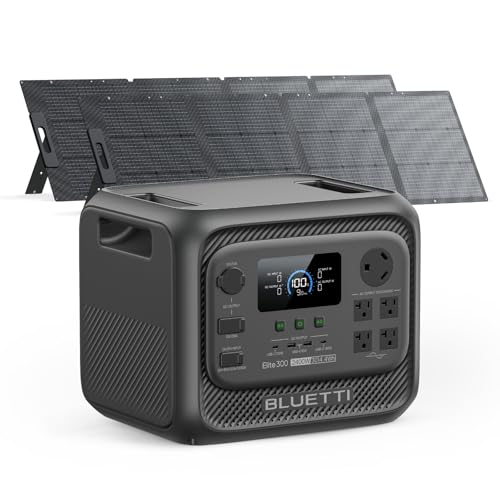
For shoppers seeking high-capacity home backup in an ultra-compact footprint, the BLUETTI Solar Generator Elite 300 & 2x200W Solar delivers exceptional density. It provides over 3000Wh of dependable storage and 2400W of clean output while remaining easy to position anywhere in your living area. RV enthusiasts will especially appreciate its dedicated TT-30 connection and rapid charging capability.
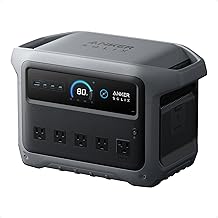
If budget efficiency and fast grid charging take priority for localized personal heating, the Anker SOLIX C1000 Gen 2 Portable Power Station stands out as an outstanding value. It pairs a robust 2000W output with rapid 49-minute AC recharging, making it an agile companion for short heating sessions. Alternatively, the BROWEY 1600W (3200W Peak) Portable Power Station offers an innovative all-in-one design with integrated solar panels for straightforward emergency readiness.
Take time to review your specific space heater wattage ratings and calculate your expected heating duty cycle before choosing a final unit. You can explore additional utility comparisons across our broader Uncategorized catalog to tailor your backup gear. Equipping your home with dependable solar power guarantees warmth and peace of mind when the power grid fails.
Frequently Asked Questions
Can a solar generator run a 1500W space heater continuously?
A solar generator can run a 1500W space heater continuously if its pure sine wave inverter is rated for at least 1800W to 2000W continuous output. However, a 1500W draw depletes a standard 1000Wh battery in under 40 minutes. For continuous multi-hour heating, you will need a 3000Wh or larger battery bank combined with active solar input.
What makes Best Solar Generators for Space Heaters in 2026 different from older models?
Modern units utilize long-lasting LiFePO4 battery cells that endure thousands of charge cycles while maintaining thermal safety under high continuous discharge. They also incorporate faster MPPT solar charge controllers, bidirectional AC inverters for sub-hour wall recharging, and ultra-compact chassis designs. These improvements ensure significantly higher efficiency and reliability during freezing winter weather.
How many solar panels do I need to keep a space heater running daily?
To offset the substantial power consumption of a space heater, you typically need at least 400W to 800W of solar panels operating in full sunlight. Because winter days provide fewer peak sun hours, pairing high-wattage panel arrays with an efficient MPPT controller is necessary to fully recharge large battery banks between heating sessions.
Is it safe to run an electric space heater indoors from a solar generator?
Yes, solar generators are completely safe for indoor operation because they emit zero harmful carbon monoxide exhaust, toxic fumes, or engine noise. Unlike gas-powered generators, battery power stations can sit directly inside your bedroom or living room next to your space heater without any ventilation hazards.
Why does my space heater trip the inverter on my power station?
Your space heater trips the inverter if its operational wattage or startup current exceeds the continuous output limit of the power station. Switching the heater from high (1500W) to low (750W) usually resolves the issue on units with inverters rated below 1800W. Always verify that your heater setting matches your generator output ceiling.
How long will a 1000Wh solar generator run a space heater on low heat?
A 1000Wh power station running a space heater on a 750W low setting will operate for approximately 1.1 to 1.2 hours continuously after inverter conversion losses. If the heater features an automatic thermostat that cycles on and off, the total room warming coverage can extend to around two to three hours.
Are heated electric blankets more efficient than space heaters on battery power?
Electric blankets are dramatically more energy-efficient than space heaters, consuming only 50W to 100W compared to 1500W for space heaters. Pairing a heated blanket with an insulated bed setup allows even modest 1000Wh power stations to keep you warm for multiple consecutive nights off-grid. For sleep comfort tips, see our best king mattresses topper for back pain tips.
Can I charge my solar generator while running a space heater simultaneously?
Yes, solar generators equipped with pass-through charging can power AC appliances while accepting solar or grid input simultaneously. The net battery charge or discharge rate will depend on whether incoming solar wattage exceeds the continuous wattage drawn by your heater at any given moment.
What type of space heater works best with solar power stations?
Low-wattage ceramic personal heaters and oil-filled radiant heaters with multi-tier wattage switches (such as 400W, 800W, and 1200W) work best with solar generators. Ceramic heaters deliver rapid directional heat immediately, while oil-filled radiators retain warmth long after the power station inverter switches off.
Does cold ambient temperature reduce solar generator battery capacity?
Sub-freezing ambient temperatures temporarily reduce internal lithium battery efficiency and usable discharge capacity by 10 to 20 percent. Furthermore, most lithium batteries cannot safely accept charging below freezing without internal self-heating pads. Keeping your power station inside a heated room ensures optimal battery efficiency and safe recharging.