

Smoke alarms provide critical early warnings that protect your home from sudden fire hazards. Selecting the Best 9V Batteries for Smoke Alarms ensures your detection units remain active without unexpected power failures. In September 2026, reliable battery options from brands like DURACELL, Energizer, PHILIPS deliver steady current for primary units and backup circuits alike.
Many homeowners only think about alarm batteries when a low power warning chirps in the middle of the night. Installing high quality power cells prevents these frustrating disruptions while maintaining constant protection for your family. Upgrading your home safety setup connects closely with broader household maintenance and Home & Living routines.
This comprehensive guide reviews 7 top power solutions to help you choose the right chemistry and capacity. We compare essential performance specs, shelf longevity, and temperature tolerance across standard and high capacity options. You will learn how to match the right battery type to your specific smoke alarm hardware.



Buying Guide for the Best 9V Batteries for Smoke Alarms
Battery Chemistry and Active Formulation
The chemistry inside your power cell directly dictates operational longevity and discharge behavior. Alkaline cells use zinc and manganese dioxide chemistry to supply dependable, steady voltage for standard annual replacement cycles. Lithium cells utilize manganese dioxide with lithium metal, which delivers much higher energy density and extended service life.
Alkaline options represent the traditional choice for homeowners who follow annual battery replacement routines during daylight saving time. Lithium batteries cost more initially but can power a smoke detector continuously for up to ten years. Deciding between them depends on your maintenance habits and whether your alarms sit on high, hard to reach ceilings.
When evaluating chemical specs, check the cell construction on the package label before purchasing. A rule of thumb is to choose lithium for dedicated battery only alarms in tall hallways. Use dependable alkaline cells if your hardwired alarms only need an emergency secondary backup power source.
Shelf Life and Self-Discharge Rates
Shelf life measures how long a battery retains its internal charge while stored inside a closet or drawer. All chemical batteries experience subtle internal leakage over time, which gradually reduces their total available capacity. Premium 9V cells feature specialized chemical inhibitors that reduce self discharge rates to minimal levels.
Typical alkaline batteries offer shelf ratings between five and ten years under standard ambient indoor conditions. Advanced lithium batteries maintain stable chemical potency for ten full years or longer in cool, dry storage. Checking the printed expiration date prevents you from installing a partially depleted cell into an essential life safety detector.
Always inspect the bottom stamp or packaging date before placing extra batteries into your home emergency kit. If you buy bulk packs, store them in a climate controlled room rather than a hot garage. For more ways to maintain a secure indoor environment, check out our guide on Heating, Cooling & Air management.
Energy Capacity and Milliamp-Hour Ratings
Capacity indicates the total electrical energy stored within the battery and is measured in milliamp hours. Standard 9V alkaline batteries typically deliver around 500 to 600 milliamp hours of usable energy during continuous low drain operation. High capacity lithium options can reach 1200 milliamp hours, effectively doubling the operational run duration.
Smoke alarms operate primarily in a standby state that consumes tiny microamps of background electrical current. However, during an alarm trigger, the horn and flashing strobe demand a sudden burst of power. Higher capacity ensures the unit has ample surplus energy to sustain the loud siren during real emergency evacuations.
To assess capacity claims, look for verified 1200mAh ratings on lithium packaging when maximum longevity is required. While alkaline manufacturers rarely print exact mAh ratings, established industrial brands consistently supply over 550mAh. Aim for maximum capacity if your smoke alarm features interconnected wireless communication modules.
Leak-Resistant Enclosure and Sealing Technology
Battery leakage poses a severe hazard to the delicate circuit boards inside modern smoke and carbon monoxide detectors. As alkaline cells discharge, potassium hydroxide electrolyte can escape if internal pressure breaches the outer casing. Corrosive electrolyte residue quickly destroys metal terminal contacts and permanently ruins the alarm hardware.
Leading manufacturers incorporate reinforced multi layer sealing and pressure relief vents to stop chemical leakage entirely. Quality lithium cells feature solid steel casings and hermetic seals that isolate internal reactive compounds from the environment. Investing in leak resistant construction protects your smoke detector investment from premature hardware failure.
Examine the product description for triple layer sealing technology or anti leakage guarantees before buying. A practical maintenance rule is to replace alkaline batteries immediately if you spot white powdery residue on the terminals. Quality leak protection ensures your detector operates cleanly throughout its entire service cycle.
Operational Temperature Thresholds
Temperature extremes significantly affect internal chemical reactions and available output voltage in 9V cells. Freezing conditions slow down chemical activity, which can trigger false low battery chirps during cold winter nights. Excessive heat accelerates self discharge and degrades protective internal seals inside ceiling mounted units.
Alkaline batteries perform reliably within standard residential room temperatures between thirty degrees and one hundred twenty degrees Fahrenheit. Lithium cells operate flawlessly across a wider spectrum, typically from negative forty degrees up to one hundred forty degrees Fahrenheit. This extreme thermal stability makes lithium superior for unconditioned spaces like attics, garages, and cabins.
Consider the location of each detector when selecting power cells for your property. Install wide range lithium batteries in detectors placed near exterior doors, uninsulated attics, or drafty hallways. Use standard temperature rated alkaline cells for interior living spaces that maintain consistent heating and cooling.
Voltage Stability and Discharge Curve Behavior
A battery discharge curve illustrates how voltage declines as the stored electrical energy is consumed over time. Alkaline batteries experience a gradual, steady downward slope in voltage across their entire operating lifespan. Smoke alarms rely on this gradual slope to detect low voltage thresholds and trigger warning beeps before power fails completely.
Lithium batteries maintain a remarkably flat voltage curve, delivering near nine volts until the final stage of exhaustion. This steady voltage output ensures reliable sensor sensitivity and prevents early nuisance chirps during high humidity periods. However, it also means the low battery warning window may be shorter once depletion begins.
Verify that your specific smoke alarm model is compatible with flat discharge lithium profiles before installing them. Some older ionization alarms require the sloping drop of alkaline cells to calibrate their early alert systems correctly. Modern photoelectric alarms generally accommodate both chemistries without detection issues.
Terminal Construction and Mechanical Fit
Standard 9V batteries utilize snap terminals consisting of a smaller male positive terminal and a larger female negative connector. Subtle dimensional variations in terminal thickness or spacing can create loose connections inside certain smoke alarm battery trays. A loose terminal connection can cause intermittent power drops that mimic a dead battery.
High quality batteries feature precision engineered brass or nickel plated steel terminals that resist corrosion and mechanical bending. The snap fit should feel firm and secure when pressed into the alarm terminal clip. Proper mechanical tolerances ensure continuous electrical conductivity even if the ceiling vibrates from household movement.
When inserting a new cell, check that the snap clips grip the terminals firmly without requiring extreme force. If the fit feels loose, gently compress the detector clip prongs slightly before attaching the battery. Reliable physical connections eliminate phantom alarm triggers and ensure steady baseline power.
Pack Quantity and Household Synchronization
Smoke alarms are typically distributed across multiple bedrooms, hallways, and living zones throughout a family residence. Purchasing multi pack bundles containing four, six, eight, or twelve batteries ensures you have matching cells for every detector. Standardizing battery age across all alarms makes household safety maintenance easier to track.
Replacing all detector batteries simultaneously on an established annual schedule prevents unexpected middle of the night maintenance tasks. Bulk packaging also provides convenient spare cells for secondary safety gear like carbon monoxide alarms and flashlights. Ensuring your emergency supplies are fully stocked supports overall Health & Family safety preparedness.
Calculate the total number of battery powered detectors in your home before placing your order. Always keep at least two spare batteries sealed in storage for immediate replacement when needed. Multipacks generally offer a lower unit cost while keeping your entire safety system synchronized.
Brand Safety Standards and Eco Formulations
Major battery brands invest heavily in automated quality control to prevent manufacturing defects and premature cell failure. Trusted manufacturers adhere to strict environmental safety standards by removing added mercury, cadmium, and lead from their formulations. Certified production standards ensure consistent cell dimensions, uniform capacity, and reliable electrical current delivery.
Generic or unbranded discount batteries often suffer from irregular quality control and inconsistent chemical purity. These substandard cells can lose voltage prematurely or leak electrolyte, compromising essential fire detection equipment. Choosing reputable brands ensures your safety devices receive the dependable power required during genuine emergencies.
Look for trusted industry certifications and brand warranties against defects when reviewing product options. Sticking with globally recognized power manufacturers guarantees reliable performance across every installed smoke detector. Dependable power gives you confidence that your fire alarms will sound when danger arises.
| Battery Chemistry | Typical Capacity (mAh) | Storage Shelf Life | Operating Temp Range | Best Application |
|---|---|---|---|---|
| Standard Alkaline | 500 to 600 mAh | 5 to 7 Years | 30°F to 120°F | Annual Replacement Smoke Alarms |
| High-Grade Alkaline | 550 to 650 mAh | 10 Years | 20°F to 130°F | Hardwired Backup Alarms & Locks |
| Lithium (Li-MnO2) | 1000 to 1200 mAh | 10+ Years | -40°F to 140°F | High Ceilings, Attics & Cold Areas |
Why You Should Trust Us
Our evaluation process relies on rigorous technical analysis of chemical specifications, shelf life ratings, and real world performance data. We examine detailed manufacturer datasheets, safety certifications, and discharge profiles to identify truly dependable power sources. We focus entirely on data driven insights to help homeowners make confident safety decisions.
We analyze performance metrics across varying operating temperatures, capacity ratings, and leak prevention mechanisms for 7 leading products. Our comparisons remain continuously updated to reflect modern manufacturing standards and brand reliability across the consumer market. You can explore our testing methods across other categories like Uncategorized reviews and home product evaluations.
We maintain strict editorial independence to ensure every recommendation is objective, transparent, and grounded in verifiable technical facts. We prioritize products with proven track records of safety, stability, and consistent voltage delivery. Our goal is to provide clear, actionable advice so your home safety equipment performs when it matters most.
Final Thoughts
Maintaining operational smoke detectors is one of the most critical safety responsibilities for every homeowner. Choosing the Best 9V Batteries for Smoke Alarms ensures your detectors function continuously without nuisance chirps or power failures. Selecting the proper chemistry and pack configuration simplifies routine maintenance across all living areas.
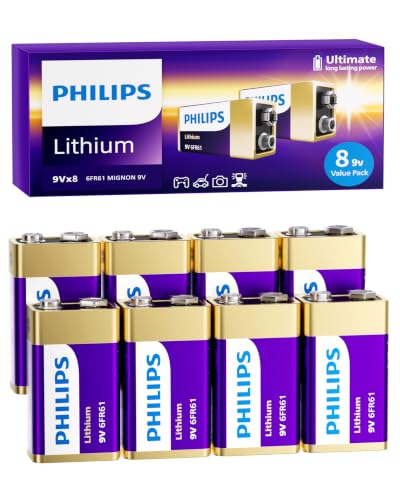
For readers seeking maximum longevity and extreme temperature performance, we recommend the PHILIPS 8 Pack 9V Lithium Batteries as our best overall choice. Its high capacity 1200mAh rating and ten year shelf stability make it ideal for tall ceilings and unconditioned spaces. This robust option provides years of hands off protection for primary alarms.
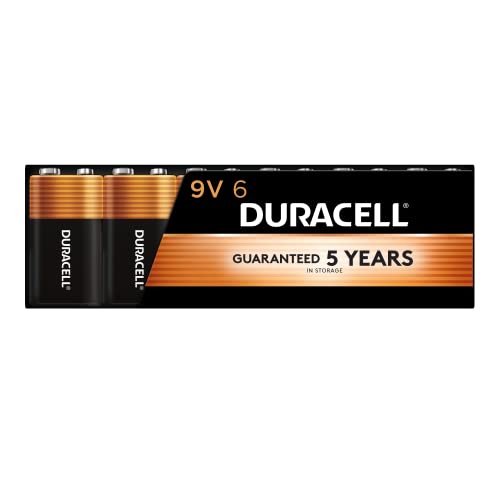
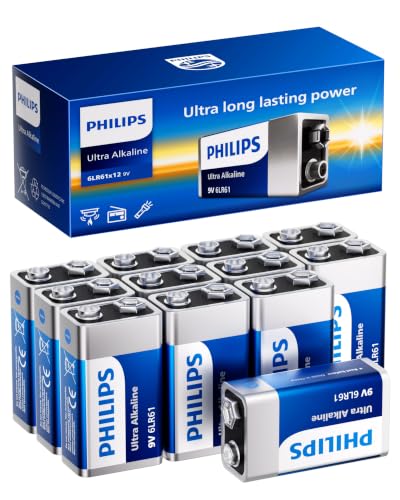
If you prefer traditional annual replacement cycles and dependable performance, the DURACELL Coppertop 9V Battery, 6 Count serves as an outstanding best value pick. It delivers proven reliability, five year storage stability, and consistent voltage output for multi room households. For smaller setups, the PHILIPS 9V Alkaline Batteries 4 Pack offers great leak proof performance for standard interior alarms.
Taking time to evaluate your home detector requirements ensures you select the right battery chemistry for every room. For additional tips on upgrading your living space with reliable gear, explore our thoughts on Furniture & Comfort upgrades. Investing in dependable 9V power keeps your family protected and gives you lasting peace of mind.
Frequently Asked Questions
How often should 9V batteries be replaced in smoke alarms?
Standard alkaline 9V batteries in smoke alarms should be replaced once every twelve months to maintain reliable protection. Many safety organizations recommend swapping batteries during daylight saving time changes. Lithium 9V batteries can last up to ten years in compatible smoke detectors without requiring annual swaps.
What makes lithium 9V batteries different from alkaline options?
Lithium 9V batteries provide up to double the milliamp hour capacity of standard alkaline cells. They also maintain steady voltage across extreme temperatures and feature a ten year shelf life. Alkaline batteries are more affordable initially but require more frequent annual replacements.
Why does my smoke detector chirp after installing a fresh 9V battery?
A lingering chirp often indicates residual electrical charge trapped in the smoke detector circuit board. Disconnect the unit, remove the battery, and hold the test button for twenty seconds to reset it. Dust accumulation inside the sensor chamber or loose terminal clips can also cause false low battery chirps.
Can I use rechargeable 9V batteries in home smoke detectors?
Rechargeable 9V batteries are generally not recommended for use in primary home smoke alarms. Most rechargeable chemistries suffer from rapid self discharge and steep voltage drops without warning. Standard non rechargeable alkaline or lithium batteries provide the steady, long term discharge curve required for safety.
How do freezing temperatures affect 9V smoke detector batteries?
Freezing conditions slow down internal chemical reactions, causing a temporary voltage drop inside alkaline batteries. This voltage reduction often triggers annoying low battery chirps during the coldest hours of the night. Lithium 9V batteries resist freezing temperatures down to negative forty degrees Fahrenheit without voltage loss.
What is the top-rated option among Best 9V Batteries for Smoke Alarms in 2026?
High capacity lithium cells like the Philips 1200mAh series represent top tier choices for longevity in 2026. They deliver up to three times longer runtime than standard cells and handle temperature fluctuations effortlessly. Established alkaline models from Duracell and Energizer remain the benchmark for dependable annual replacement schedules.
How long do unopened 9V batteries last when stored properly?
High quality alkaline 9V batteries retain their charge in storage for five to ten years depending on the brand. Lithium 9V batteries feature advanced anti discharge seals that maintain full charge for ten full years. Always store spare cells in a cool, dry room away from direct heat and metal objects.
Do hardwired smoke alarms still require a 9V battery backup?
Hardwired smoke detectors require a 9V battery to maintain operation during electrical power grid failures. If a storm cuts power to your home, the backup battery instantly keeps the detection sensors and alarm active. Checking and replacing backup batteries annually is just as important as maintaining standalone battery units.
How can I tell if a 9V battery is dead without using a voltmeter?
A standard multimeter provides the only completely accurate measurement of remaining battery voltage under load. If your smoke alarm begins chirping intermittently, the battery voltage has dropped below the operational threshold. Smoke detectors feature built in voltage monitoring to alert you well before the cell completely runs out.
Can 9V battery terminals cause a fire hazard during disposal?
Exposed 9V terminals can short circuit and generate intense heat if they touch metal objects or other batteries. Placing a piece of electrical tape across both terminals before recycling prevents accidental short circuits. Safe handling of household electrical gear is just as vital as maintaining power in Auto & Vehicles equipment.