

Finding the best canister vacuums for carpet and hardwood means balancing powerful suction with gentle floor care. This guide cuts through specs to help you pick a vacuum that protects hardwood, lifts embedded carpet dirt, and fits your home and budget.
When shopping for the best canister vacuums for carpet and hardwood, we focused on suction, maneuverability, and long-term durability. We compared hose reach, wand adjustability, HEPA filtration, and tool sets so you can choose a model that cleans hardwood gently, digs into carpet pile, and delivers solid value.
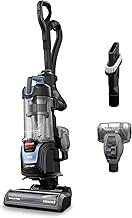
Best Overall: Shark Navigator Lift-Away — Pet, Carpet & Hard Floor — versatile lift-away suction and tools for carpets and hardwood
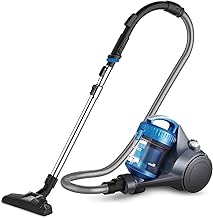
Best Budget: Eureka WhirlWind Canister — Lightweight for Carpets & Hard Floors — lightweight, affordable, great for quick pickups
Best Premium: Eureka PowerSpeed NEU182B — Powerful Upright for Carpets — strong performance and roomy dust capacity
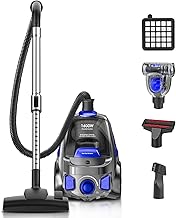
Best for Long Hours: 1600W Canister Vacuum — Strong Suction, Long-Lasting — variable speed and large dust cup for extended sessions





Buying Guide
Suction power and brushroll design
For carpet and hardwood you want a vacuum that balances strong suction with a brushroll you can control. A powerful motor helps lift dirt from carpet fibers, while a switchable or retractable brushroll prevents scratching on hardwood. Look for machines with adjustable suction settings so you can dial back power on delicate floors and increase it for deep-cleaning rugs. For complementary picks that focus on automated carpet cleaning, see our best robot vacuum for carpets.
- Prefer models with variable suction or a manual control on the wand—this prevents hardwood damage while still allowing deep carpet cleaning.
- Brushroll clutches or a quick on/off brush option are helpful when moving between surface types.
- Example of a pro-level option with consistent performance: Miele Classic C1 Pure Suction.
Filtration and allergy concerns
If anyone in your home has allergies or asthma, prioritize vacuums with high-quality filtration and a sealed system that prevents dust escaping back into the air. HEPA or true HEPA-grade filters capture fine particulates; bagged systems also tend to be cleaner at disposal time because they trap dust more securely. You may also find helpful tips in our best robot vacuum for dust guide, which covers systems designed to limit airborne particles.
- Check whether filters are washable or replaceable and how often replacements are recommended.
- Bagged canisters reduce airborne dust during emptying, while bagless models require careful dust-cup handling and regular filter cleaning.
- Sealed airflow systems are preferable for allergy sufferers, even if they cost more up front.
Floor compatibility and cleaning modes
Canister vacuums vary in how well they transition between carpets and hard floors. Look for a model that explicitly lists both surface types and offers dedicated modes or accessories for delicate floors. A lift-away or detachable canister and a soft-bristled floor tool make switching surfaces faster and safer. For automated picks that handle mixed surfaces, see our best robot vacuum for mixed floors.
- Soft floor tools or combination floorheads work best for homes with mixed flooring.
- Swivel steering and a long hose improve access under furniture and around legs without frequent repositioning.
- If you need a versatile, user-friendly option, consider an all-purpose upright with lift-away versatility such as the Shark Navigator NV360, which is designed for carpets and hard floors.
Dust capacity, bags and maintenance
Think about how much cleaning you do and how you prefer to maintain your machine. Larger dust cups or bags mean fewer stops to empty, which is handy for bigger homes. However, bagged systems can be more sanitary for allergy-prone households. Regular maintenance—emptying the cup, replacing bags, cleaning or replacing filters, and clearing brushes—keeps suction high and prolongs the vacuum’s life.
- Match dust capacity to your cleaning routine—smaller cups are fine for apartments; larger capacities suit whole-house jobs.
- Find out the cost and availability of replacement bags and filters before you buy.
- Keep a simple maintenance schedule: empty after heavy use, rinse washable filters when dry, and remove hair from brushrolls monthly.
Size, portability and attachments
Canister vacuums come in a range of sizes and weights. If you have stairs or need to carry the unit between floors, choose a lightweight, compact canister with a comfortable handle and a long cord. A good selection of attachments—crevice tool, upholstery brush, dusting brush and an adjustable wand—makes the vacuum more useful across tasks.
- Measure storage space and cord length to ensure the unit fits your home and reach needs.
- Magnetic or onboard tool storage keeps attachments handy and prevents loss.
- Prioritize a model with a long hose and wand for high-reach tasks and furniture cleaning.
FAQ
Are canister vacuums better than uprights for both carpet and hardwood?
Canister vacuums often win on versatility because the separate canister and wand make it easier to switch between rugs, stairs, and bare floors without dragging a heavy head. They usually offer better maneuverability around furniture and quieter operation, which helps on hardwood. For dense wall-to-wall carpet an upright can deliver more aggressive brush action, but a canister with a good powerhead or adjustable suction handles most carpets well. If you want a professional-grade option that balances both tasks, consider the Miele Classic C1 Pure as an example of a robust canister design.
What features should I look for in a canister vacuum for carpets and hardwood?
Prioritize a model with an on/off brushroll or a dedicated bare-floor nozzle so you can protect hardwood while still agitating carpet fibers when needed. Variable suction or power settings help adjust performance for rugs versus delicate floors, and a sealed HEPA or fine particulate filter is useful if allergies are a concern. Look for useful attachments like a crevice tool, upholstery brush, and a motorized pet tool if you have pets. For a budget-friendly, easy-to-maneuver example that covers basics on both surfaces, check out the Eureka WhirlWind.
Can a canister vacuum effectively remove pet hair from rugs and hardwood floors?
Yes—many canister vacuums handle pet hair well if they include a motorized brush or a specialized pet tool designed to lift fur from fibers and crevices. Strong suction and a rubberized or turbo brush roll help pick hair off both low-pile rugs and smooth floors without scattering it. Emptying the dust cup or bag frequently and using a high-quality filter will also keep performance consistent when dealing with lots of hair. If pet pickup is a priority, consider models marketed with pet-specific tools like the 1600W Canister Vacuum that lists pet use among its features. You can also compare robotic alternatives that specialize in fur removal in our best robot vacuum for pet hair roundup.
How do I avoid scratching hardwood floors when using a canister vacuum?
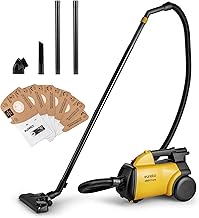
First, always use the manufacturer’s bare-floor attachment or turn off the brushroll to prevent bristles or spinning brushes from scuffing. Check that the vacuum’s wheels are clean and free of grit, and avoid dragging the canister across the floor—lift it or use a soft-surface setting when moving between areas. Use suction control to reduce aggressive pull on delicate finishes, and test a hidden spot if you’re unsure. Many bagged canister models include gentler floor tools; for example, the Eureka 3670H comes with standard accessories suitable for bare floors. For options focused on gentle floor care, see our best robot vacuum for hardwood floors guide.
How often should I replace filters and bags on a canister vacuum used on carpet and hardwood?
Follow the manufacturer’s guide, but a practical rule is to replace disposable bags when they’re about two-thirds full to preserve suction and airflow. HEPA and other fine filters typically need replacing every 6–12 months depending on usage and whether you have pets or allergies; pre-motor foam or felt filters can often be rinsed or cleaned monthly. If performance drops or dust escapes from the exhaust, it’s time to inspect and change filters or bags. Higher-end, bagged canisters like the Miele C1 Turbo Team use quality filtration that helps extend intervals between changes when maintained properly.
Final Verdict
After comparing the leading canister and upright hybrids, the winners stood out for balanced cleaning across carpet and hardwood: reliable suction paired with brushroll control, gentle hard‑floor modes, strong filtration, and easy access to tools. Buyers should prioritize adjustable brushroll or motorized head, HEPA or sealed filtration if allergies matter, robust attachments, and a dust cup/bag size that fits your cleaning habits. Top performers combined versatility, maneuverability, and build quality. For homeowners who mix rugs and hard floors, our best robot vacuum for rugs guide highlights devices tailored to area rugs and delicate surfaces.
🏆 Best Overall: Shark Navigator Lift-Away NV360 HEPA Upright
💰 Best Budget: Eureka WhirlWind NEN110A Bagless Canister
⭐ Best Premium: Miele Classic C1 Pure Suction Canister


Write Your Review
No reviews yet. Be the first to share your experience!