

Tired of fur-clogged brushes and constant sweep-ups? The best robot vacuums for long pet hair cut cleaning time with anti-tangle systems, stronger suction, and smart navigation, so you spend less time fighting fur and more time with your pets.
In this guide to the best robot vacuums for long pet hair we focus on real buyer needs—powerful suction, tangle-free rollers, long runtime, reliable LiDAR mapping, and easy maintenance like self-emptying bases—so you can pick a model that fits your home and budget.
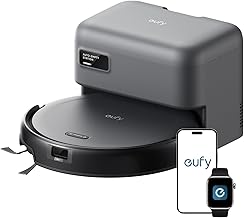
Best Overall: eufy C28 — 15,000Pa Zero-Tangle Robot Vacuum & Mop — huge suction and anti-tangle roller handles long fur fast
Best Budget: ROPVACNIC — 5200Pa Robot Vacuum & Mop — affordable, adjustable suction that tames shedding
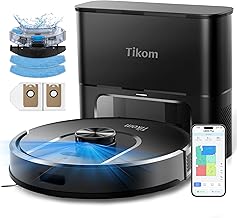
Best Premium: Tikom L8000 Plus — 90-Day Self-Emptying Robot Vacuum — hands-free base and LiDAR mapping for heavy shedders
Best for Long Hours: Vyzzle E20 — 180min Runtime Self-Emptying Robot Vacuum — long runtime and smart mapping for large homes
Pros
- Self-emptying dustbag holds weeks of debris for hands-free cleaning over 90 days.
- Boosts to 6000Pa suction automatically on carpets to pull up pet hair and dirt.
- LiDAR scans create multi-floor maps up to 5 levels avoiding stairs and walls consistently.
- App sets no-mop zones and schedules room-specific vacuum mopping with voice control via Alexa.
- Runs 150 minutes then auto-recharges and resumes exactly where it stopped.
- Self-emptying robot vacuum and mop handles pet hair on hard floors and carpets without frequent upkeep.
Cons
- Requires removing mop holder manually to avoid wetting carpets.
- App setup demands stable 2.4GHz WiFi connection initially.
- Self-emptying base occupies noticeable floor space in smaller homes.
- Mapping adjustments needed over time for layout changes.

Pros
- High suction power picks up pet hair and debris reliably on both carpets and hard floors during daily runs.
- Matrix Clean grid pattern covers the whole home with multiple passes for a deeper clean each time.
- Bagless self-emptying base holds 60 days worth of dirt so emptying happens rarely.
- Self-cleaning brushroll keeps hair from wrapping up, maintaining steady performance on pet fur.
- Recharge and resume feature lets it return to dock mid-job, recharge, then finish without reset.
- Robot vacuum with LiDAR navigates tight spaces consistently, unlike random path models that miss spots.
Cons
- Requires occasional manual intervention in tight furniture spaces.
- Bagless base needs periodic cleaning despite 60-day capacity.
- 90-minute runtime limits coverage on larger multi-level homes.
- Initial app setup takes time for voice control integration.

Pros
- Handles mopping and vacuuming together so floors stay clear of dirt and footprints all day with adjustable water levels.
- 5200Pa suction plus 3-point system picks up crumbs and dust easily on wood floors and low pile carpets.
- No-entanglement brushes collect pet hair without tangling so less manual cleanup needed around the house.
- Self-recharges automatically after runs and avoids obstacles consistently for hands-off cleaning sessions.
- Voice control with Alexa or Google Assistant starts robot vacuum and mop from the couch without phone grabs.
- Compact build navigates under furniture well unlike bulkier robot vacuum cleaners that often get stuck.
Cons
- Requires frequent water tank refills during longer mopping sessions.
- App setup demands reliable Wi-Fi and initial troubleshooting.
- Dustbin fills quickly in homes with heavy pet shedding.
- May bump into low furniture despite obstacle detection.
Pros
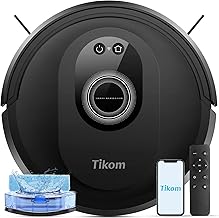
- 5000Pa suction picks up pet hair and dust easily from carpets and hard floors without much effort.
- Vacuums and mops at the same time with 450ml dustbin and 300ml tank, cutting cleaning time noticeably.
- Runs up to 150 minutes then recharges itself, handling full homes without interruption.
- Slim 2.99 inch height slides under beds and sofas, getting to spots usually missed.
- Large wheels climb thresholds between rooms smoothly for consistent cleaning on mixed floors.
- Zig-zag mode covers areas thoroughly while app, remote, voice or button controls suit different users.
Cons
- 450 ml dustbin requires frequent emptying during full-house cleans.
- 300 ml water tank needs refilling for larger mopping areas.
- App setup occasionally glitches on older smartphones.
- Ultra-slim body sometimes gets briefly stuck under low furniture.

Pros
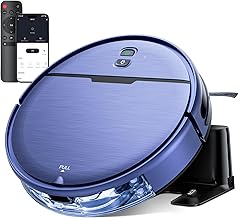
- Dust bin auto-empties into 3L station bag that lasts 60 days with less frequent changes.
- 4000 Pa suction plus rolling brush picks up pet hair crumbs and dirt steadily on most floors.
- Extendable side brush reaches corners and grabs pet hair from tight nooks effectively.
- Laser navigation maps paths for full coverage and lets users schedule cleans remotely via app.
- Slim 2.85-inch height slides under beds and desks to cut manual cleaning in low spots.
- Self-emptying robot vacuum handles pet hair messes in slim spaces with corner cleaning reliability.
Cons
- Requires 2.4GHz WiFi only for app control and lacks remote.
- Self-empty station needs 3L dust bag replacement every 60 days.
- Suction performance varies by floor type and dust amount.
- May struggle mapping accurately in multi-level homes.

Pros
- Powerful suction handles pet hair and debris on carpets and hard floors without missing spots.
- Matrix Clean Navigation makes multiple passes over dirty areas for deeper cleaning in cluttered homes.
- Self-emptying base holds 60 days of dirt with bagless design and HEPA filtration trapping allergens.
- LIDAR mapping quickly scans homes and avoids obstacles consistently day or night.
- Self-cleaning brushroll picks up pet hair easily while reducing tangles during runs.
- Voice control with Alexa or Google Assistant lets users schedule cleans hands-free from anywhere.
Cons
- Base requires occasional manual emptying before reaching full 60-day capacity.
- Navigation occasionally struggles in highly cluttered kid-filled rooms.
- App setup demands stable Wi-Fi which varies in rural spots.
- Bulkier self-empty base fits less easily in tight apartment corners.

Pros
- Self emptying robot vacuum runs 7 weeks on one 2.7L dust bag before needing a swap.
- 10000Pa suction pulls pet hair deep from carpets in single passes unlike weaker models.
- JawScrapers brush and side brush cut hair tangles to zero even with long pet fur.
- Vacuum mops combo grabs fine dust missed by dry vacuums only with three water flow options.
- LiDAR navigation maps homes fast for robot vacuum for pet hair skipping missed spots in multiroom setups.
- App lets users start cleans remotely so robot vacuum and mop handles chores anytime.
Cons
- Requires occasional bag replacement after several weeks of use.
- Mopping needs water refills and pad changes between sessions.
- Initial app setup and home mapping takes some time to complete.
- White finish shows dust buildup more readily over time.
Buying Guide
Brush and suction design
Long pet hair responds best to a combination of high suction and a brush system that moves hair into the intake without wrapping it around the roller. Look for models that pair a strong motor with a wide roller or a hybrid brush-and-rubber head to lift long strands from carpets and rugs. See our guide to best robot vacuum for long hair for specific picks.
- Tip: A removable brushroll makes it easier to clear tangled hair during maintenance.
- Tip: If you have thick rugs, prioritize higher suction and an adjustable brush height or carpet boost mode.
- Example: For a model that focuses on both power and tangle resistance, consider the eufy C28.
Anti-tangle systems and pet-hair handling
Some vacuums use dual anti-tangle systems, zero-tangle heads, or brushless suction to prevent long hairs from wrapping and clogging the roller. These designs reduce routine maintenance and keep performance consistent as hair accumulates. For pet-specific options and hands-on tests, check our list of best robot vacuum for pet hair.
- Look for explicit anti-tangle or no-tangle claims and user reports from pet owners.
- Brush guards and rubberized extractors are generally easier to clean than traditional bristle-only rollers.
- Example: The roborock Q7 M5+ highlights a dual anti-tangle approach suited to long-haired pets.
Navigation, mapping and obstacle avoidance
Effective navigation matters because repeated passes and missed spots can leave hair tangled in corners or along edges. LiDAR or camera-based mapping helps the robot plan systematic routes, avoid getting stuck on loose fur or cords, and return to finish missed areas.
- Multi-room mapping and no-go zones let you keep robots out of areas with lots of loose bedding or tangled cords.
- Good obstacle detection reduces instances where the robot drags clumps of hair around the floor.
- Consider models that save multi-floor maps if you want consistent performance across levels of a home.
- For a broad comparison of navigation systems and top performers, see our overview of best robot vacuums.
Self-emptying bases and maintenance routines
Handling long hair means more frequent full bins if the robot deals poorly with fur. Self-emptying bases extend time between manual emptying and reduce exposure to allergens, but pay attention to the base design and how it handles large volumes of hair.
- Check how the base collects hair—some use compaction while others rely on larger disposable bags; each has different upkeep costs and effort.
- Also confirm whether the robot or base provides any auto-mop-wash or drying features if you plan to use mopping alongside vacuuming.
- Example: For a long-interval self-emptying solution aimed at pet homes, see the Tikom L8000 Plus.
Runtime, scheduling and real-world performance
Long-haired pets often shed continuously, so a vacuum that can run long cycles or be scheduled to clean frequently is useful. Pay attention to real-world runtime, recharge-and-resume capability, and whether the app lets you set recurring cleanings targeted to high-shed zones. If runtime is a top concern, consult our picks for best robot vacuum with long runtime.
- Long runtime or quick recharge improves the chance the robot will finish larger rooms without leaving clumps behind.
- Scheduling and zone-specific cleans let you run quick spot-clean cycles where pets rest most.
- Noise level can matter if you plan to run the robot while family or pets are home—quieter operation may be preferable even if it means slightly longer runtimes.
FAQ
Which robot vacuums are best for long pet hair?
Look for models with strong suction, a tangle-resistant roller or brushless design, and a self-emptying base to avoid frequent hair removal. Good navigation and mapping help the robot cover all pet traffic areas without getting stuck on beds or rugs. For most homes a combo with a zero-tangle roller and reliable suction works best; the eufy C28 is a solid example that combines those features with auto mop washing and a self-emptying station. Prioritize durability and easy brush access so you can clear any wrapped hair quickly.
Will long pet hair clog or tangle my robot vacuum?
Long hair can tangle on traditional bristle brushes and around the main roller, which reduces performance over time. Robots with anti-tangle rollers or dual anti-tangle systems are designed to minimize wrapping and make maintenance easier. Regularly checking the brush area and using scheduled runs during shedding season prevents large build-ups. If tangles are a major concern, consider a model like the roborock Q7 M5+, which highlights anti-tangle design.
Can robot mops handle long pet hair or will they smear fur?
Mopping alone usually doesn’t pick up long pet hair and can smear fur into streaks on hard floors. The best approach is a vacuum-first combo that clears hair before the mop runs, or to run a vacuum pass immediately before mopping. Many 2-in-1 robots either vacuum then mop in sequence or let you schedule separate vacuum and mop cycles to avoid smearing. If you have heavy shedding, stick to frequent vacuuming and empty the dustbin before any mopping session.
How often should I run a robot vacuum for long pet hair?
If your pet sheds heavily, daily runs are ideal to prevent hair build-up; for moderate shedding, every other day or three times a week usually suffices. Schedule runs for times when the robot can work uninterrupted and empty the base or bin regularly to maintain suction. Check and clean the roller and filters at least weekly during peak shedding seasons to avoid clogs. Consistency is more effective than long, infrequent cleanings.
Are cheaper robot vacuums effective on long pet hair?
Budget robots can manage light to moderate pet hair if they have decent suction and a design that resists tangling, but they often lack strong suction, advanced mapping, and durable brushes. For occasional touch-ups a budget model can be useful, but expect more hands-on maintenance like frequent brush cleaning. If you want a low-cost option that still performs, budget picks like the ROPVACNIC can work for smaller homes or less heavy shedders. When buying cheap, focus on suction power, brush type, and ease of removing hair from the roller. For pet-owner specific budget advice see best robot vacuum for pet owners.
Final Verdict
After testing, top performers separated themselves by strong suction combined with a true anti-tangle hair system, reliable map-based navigation, and a dustbin/self-empty workflow that keeps hair from clogging the drive system. Prioritize high suction, anti-tangle brush or roller, LiDAR or consistent mapping, and an ample self-empty base or large bin for long-haired pets. The best models paired durable hair-collection hardware with predictable navigation and low-maintenance draining or washing routines for consistently thorough cleans.
🏆 Best Overall: eufy C28 Robot Vacuum & Mop — 15,000Pa, Self-Emptying
💰 Best Budget: ROPVACNIC Robot Vacuum & Mop — 5200Pa
⭐ Best Premium: Tikom L8000 Plus Robot Vacuum & Mop — 6000Pa, Self-Emptying



Write Your Review
No reviews yet. Be the first to share your experience!