Thick rugs bring unmatched comfort to living areas, yet they present a serious hurdle when pets shed daily. Dense carpet yarns trap fur, dander, and fine grit deep below the surface where basic cleaners cannot reach. Finding the Best Vacuums for High Pile Carpets and Pets requires balancing powerful agitation with smooth glide so your machine does not bog down.
Standard vacuums often seal too tightly against lush pile, locking the roller in place or pushing shedding into compacted mats. Modern innovations like manual suction relief vents, active brush height controls, and tangle-free rollers now solve these common problems. Upgrading your gear helps protect carpet fibers while removing allergens that settle in high-traffic rooms.
Our updated guide for September 2026 evaluates 7 leading cleaners to help you choose the right match for your home. We explore top brands across Shark, Bissell, SMOTURE to pinpoint machines that handle heavy shedding without stalling on thick floor coverings. Explore our Home & Living resource section for additional household maintenance advice.




Suction Control and Height Adjustment
Deep pile rugs create an airtight seal under powerful vacuum cleaner heads. When an intake head forms an unbroken vacuum lock, pushing the machine becomes difficult and the drive belt risks snapping under excessive resistance. Suction control valves allow you to vent excess negative pressure while maintaining sufficient airflow to pull out deep debris.
Mechanical height adjustments raise the cleaning head above long carpet fibers to allow the agitator to spin freely. Multi-position dials give you direct control over nozzle clearance across plush shag, medium pile, and low rugs. Without adequate clearance, roller bristles will choke on thick yarns and wear down your carpet backing prematurely.
Look for machines offering at least four distinct pile settings or electronic surface toggles. A dependable rule of thumb is to raise the head until pushing feels smooth and effortless, then lower it one notch. This setting ensures the bristles touch the fiber tips without sinking too far into the base.
Brush Roll Technology and Anti-Tangle Systems
Long pet hair wraps tightly around traditional spinning roller dowels within minutes of cleaning. Tightly wound hair puts extreme strain on the motor bearings and reduces bristle penetration into deep carpet mats. Anti-tangle rollers utilize raised plastic ribs, integrated comb teeth, or dual-brush mechanisms to continuously slice and direct hair straight into the intake path.
Dual-action brush rolls combine soft front rollers for hard surfaces with stiffer rear bristles designed to dislodge stubborn hair. If a brush roll lacks self-cleaning features, you must manually cut tangled hair with scissors after every session. Advanced grooved rollers allow you to run a blade across the dowel quickly when dealing with heavy seasonal shedding.
Look for a model with an independent brush roll on and off switch. Disengaging the rotating bristles prevents scatter on bare floors and prevents snagging delicate long-strand carpets. Inspecting the roller assembly after vacuuming five large rooms will quickly show how well the anti-wrap system performs.
Airflow Performance and Motor Power
High motor wattage does not automatically translate to superior cleaning on thick rugs. Airflow, measured in cubic feet per minute, determines how effectively dislodged pet hair moves through the wand into the dust chamber. While water lift ratings indicate pure suction force, strong airflow is what actually carries heavy pet dander through long hoses.
Cordless stick vacuums measure output in kilopascals or air watts, with modern brushless motors reaching upwards of 50 kilopascals. Corded upright models rely on robust motors ranging from 600 to 1200 watts to drive both airflow and heavy-duty brush agitation simultaneously. A vacuum requires sustained velocity to lift dense soil from carpet bases without clogging narrow bends.
When comparing specifications, prioritize models that sustain airflow across packed dust bins. Cyclonic separation assemblies keep dirt away from the inner motor filter to prevent sudden drops in pulling power. Checking airflow stability ensures your cleaner maintains full performance during demanding whole-home sessions.
Filtration Quality and Sealed System Design
Pet owners face constant exposure to microscopic dander, dried saliva particles, and outdoor dust tracked inside by animals. A true HEPA filter captures 99.97 percent of airborne particles down to 0.3 microns in size. However, a premium filter provides little benefit if air escapes through unsealed body joints before reaching the exhaust port.
Completely sealed allergen systems utilize rubber gaskets around every housing seam and latch. This airtight construction forces all pulled air through the multi-stage filter stack before returning it into your living space. Homes with allergy sufferers require sealed filtration to keep fine dust from blowing back into the room during operation.
Inspect filter accessibility and check whether the primary elements are washable or require recurring replacements. Washable foam pre-filters save money over time, but high-efficiency exhaust cartridges should be replaced annually. Maintaining clean filters preserves motor life and prevents stale pet odors from circulating through your home.
| Feature | High Pile Carpet Priority | Pet Hair Priority | Recommended Specification |
|---|---|---|---|
| Suction Control | Critical | Moderate | Adjustable vent or multi-level motor speed |
| Brush Roll Agitation | High | Critical | Motorized roller with tangle-free comb |
| Filtration Standard | Moderate | Critical | Sealed HEPA system capturing 0.3 microns |
| Head Clearance | Critical | Low | Manual height dial or wide wheel clearance |
| Specialized Tools | Low | High | Mini motorized pet brush and flexible hose |
Specialized Pet Hair Attachments
Pet hair rarely stays confined to floor carpets; it settles onto couches, stair treads, and velvet cushions. Dedicated turbo brushes with rotating paddles lift embedded fur from woven upholstery faster than standard passive suction nozzles. Mini motorized heads driven by their own motors provide maximum agitation on fabric surfaces.
Flexible extension wands allow you to clean under low furniture and along baseboards where pet fur drifts. Specialized crevice tools equipped with built-in LED lights illuminate hidden debris under armchairs and dark sofa corners. Discover complementary tips in our Furniture & Comfort guide to maintain clean home seating.
Select a vacuum package that includes at least one dedicated pet hair tool with rubberized fins or active bristle bars. Rubber squeegee edges generate static friction to pull stubborn pet fur out of tight weave fabrics. Ensure attachments click firmly into the wand assembly without slipping during vigorous scrubbing.
Dust Cup Capacity and Clean Emptying
Pet fur is bulky and rapidly fills small dust bins with loose, fluffy debris. Frequent trips to the waste bin interrupt cleaning routines in medium and large living spaces. Dust cups with capacities between 1.0 and 2.0 liters allow you to vacuum several carpeted rooms before needing to empty the canister.
Emptying mechanisms must eject compacted fur without requiring you to reach inside to pull hair clumps out by hand. Bottom-drop trap doors and internal silicone wiper blades push hair and fine dust out smoothly with one click. Simple push-button releases keep pet dander contained inside your trash liner rather than floating back into the room.
Check the clarity of the canister walls to monitor fill levels at a glance. Filling past the maximum indicator line restricts incoming airflow and risks pushing debris into the cyclone shroud. Emptying the dust chamber when it reaches two-thirds capacity preserves strong suction across deep carpets.
Weight, Steering, and Maneuverability
Pushing a vacuum across high pile carpeting creates significant friction compared to rolling across hard surfaces. Heavy machines over 16 pounds can quickly cause arm fatigue when cleaning multiple carpeted rooms. Swivel steering designs pivot the floor nozzle with a twist of your wrist, allowing smooth navigation around furniture legs.
Lift-off canister designs separate the main motor pod from the base frame to make staircase cleaning practical. Carrying a detached lightweight canister lets you clean steps and upholstery without hauling the entire chassis. Large rubberized rear wheels also prevent the floor head from sinking into plush carpet fibers during forward passes.
Aim for a total weight under 14 pounds for standard uprights or under 8 pounds for cordless stick models. A well-balanced handle geometry reduces wrist strain when pushing across dense floor coverings. Testing the handle pivot tension ensures the cleaner turns smoothly without tipping over on deep rugs.
Power Source: Corded Range vs Cordless Runtime
Corded vacuums deliver steady, unrestricted electrical power needed for continuous heavy agitation across large floor plans. A generous 25 to 30 foot power cord allows you to clean multiple rooms without switching wall outlets constantly. Uncapped runtime makes corded uprights dependable choices for homes with multiple large dogs.
Cordless cleaners offer quick convenience and easy movement between rooms without tangling cords around furniture. However, operating a stick vacuum in maximum boost mode to tackle thick rugs drains high-capacity lithium batteries within 12 to 18 minutes. Modern removable battery packs let you swap in a fresh spare cell to double your working time.
Choose corded power if your layout features wall-to-wall high pile carpet across more than 1,500 square feet. Cordless designs work best for apartments, quick spot cleanups, and multi-level floor plans. Consider your room sizes and daily cleaning habits before deciding between unlimited corded power and battery flexibility.
Long-Term Maintenance and Operating Costs
Durable vacuum construction reduces long-term ownership expenses and keeps cleaning performance consistent over years of use. Brush rollers with sealed bearings prevent hair from migrating into the motor drive assembly where friction causes burnout. Easily accessible belt compartments simplify replacement when drive bands stretch out from heavy carpet resistance.
Check the availability of genuine replacement filters, belts, and brush components before purchasing any unit. Modular designs with tool-free access allow you to clear occasional blockages and clean sensor windows in minutes. Keeping maintenance simple ensures your vacuum runs efficiently throughout heavy seasonal shedding cycles.
Look for solid manufacturer warranty coverage backing the motor and electrical housing for two to five years. Rinsing pre-filters monthly and inspecting roller brushes every few weeks keeps your investment operating at peak airflow. Quality engineering saves money on repairs while protecting expensive carpet investments from dirt accumulation.
Why You Should Trust Us
Our review process relies on systematic spec analysis, verified manufacturer engineering data, and long-term user performance metrics. We evaluate real-world vacuum capabilities by analyzing airflow metrics, filtration certifications, motor wattage, and brush roll mechanics. Our editorial approach focuses on practical household performance rather than marketing claims.
We analyze customer feedback, teardown reports, and mechanical reliability patterns across thousands of homes. We examine how well roller mechanisms resist hair wrapping and assess whether motor assemblies withstand the extra resistance of thick carpets. Reviewing maintenance trends across brand lines helps us separate durable cleaners from flimsy designs.
We remain completely independent and update our comparisons regularly to reflect new releases and engineering revisions. Our recommendations highlight functional value, user ergonomics, and proven cleaning efficiency across all price points. For more advice on keeping active pets healthy and clean, explore our best dry dog food for gut health overview.
Final Thoughts
Selecting the right machine restores plush rugs and keeps high-traffic homes free from stubborn shedding. If you need powerful deep-cleaning suction and versatile lift-off capability for stairs and couches, the Shark NV752 Rotator Powered Lift-Away TruePet is our top overall pick. Its powered brush head continues spinning in portable mode to lift embedded fur from furniture with ease.
For shoppers seeking heavy-duty suction on a sensible budget, the Eureka Lightweight Powerful Upright Vacuum Cleaner delivers exceptional value. Its manual five-position height dial allows the nozzle to glide across thick shag carpets without catching. It provides robust cleaning power for everyday pet messes without unnecessary complexity.
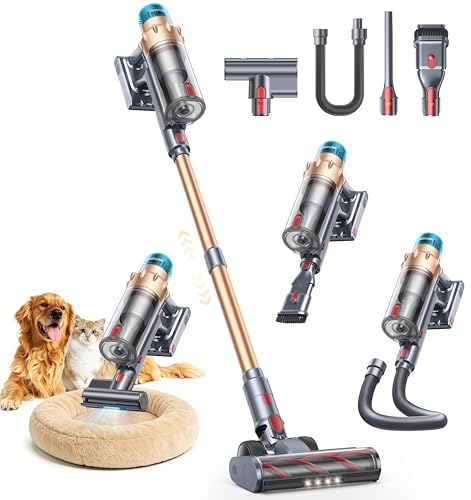
When cordless agility and quick grab-and-go convenience take priority, the Cordless Vacuum Cleaner, 55KPA 650W 70Mins Stick offers impressive cordless suction with intelligent auto surface adjustments. Alternatively, the Bissell Pet Hair Eraser Turbo Lift-Off Vacuum remains an outstanding choice for households requiring specialized tangle-free rollers and sealed HEPA filtration. Explore our Uncategorized archives for more appliance guides.
FAQs
Why does my vacuum get stuck on high pile carpets?
High pile rugs create an airtight seal against low vacuum cleaner base plates. When no bypass air enters the intake nozzle, the vacuum forms an immovable suction grip against the floor. Choosing a model with adjustable height clearance or a manual suction release valve resolves this resistance.
How often should you vacuum high pile carpets with pets?
Homes with shedding pets should vacuum high-traffic carpeted areas at least twice a week to stop fur from working deep into the backing. Daily light passes in favorite pet resting zones prevent hair from matting into the yarn fibers. Regular cleaning also keeps dander levels low throughout your living spaces.
Can rotating brush rolls damage delicate plush carpets?
Stiff bristle rollers can cause fuzzing and fraying on delicate Berber or long loop-pile carpets. Using a vacuum with adjustable roller speeds or a brush on and off switch lets you protect fragile materials while cleaning. For dense cut-pile carpets, moderate bristle agitation safely lifts hair without harming the fibers.
What features define the Best Vacuums for High Pile Carpets and Pets in 2026?
The leading models feature tangle-free brush rollers, sealed HEPA filtration, and adjustable suction or height settings to glide across dense rugs. High airflow motors and specialized pet upholstery tools complete an effective cleaning setup. These combined features ensure thorough hair removal across all household surfaces.
How do tangle-free brush rolls prevent hair wrap?
Tangle-free systems use internal comb teeth, directional rubber vanes, and engineered airflow channels to prevent hair from winding tightly around the roller shaft. As hair contacts the dowel, the combs redirect long strands straight into the suction intake. This reduces manual maintenance and keeps motor power steady.
Is a corded or cordless vacuum better for thick carpet and pet hair?
Corded upright vacuums provide continuous power and strong brush torque needed for deep agitation in large carpeted rooms. Cordless stick models excel at lightweight maneuverability and quick cleanups on stairs and furniture. Large homes with wall-to-wall plush carpet benefit most from the continuous output of corded units.
What is the role of a sealed HEPA filtration system for pet owners?
A sealed HEPA system ensures that fine pet dander and allergen particles are trapped inside the filter rather than escaping through body seams. Gasketed seals prevent unfiltered exhaust air from blowing allergens back into your rooms. This creates a cleaner indoor environment for anyone sensitive to pet dust.
How do you remove deep pet hair trapped beneath carpet fibers?
Make slow, overlapping passes with a vacuum featuring a motorized brush roll to agitate and release embedded fur. Lower the head height gradually until you hear the bristles making contact with the carpet yarn without bogging the motor down. Running the vacuum in multiple directions helps pull fur caught under tangled fibers.
How often should vacuum filters be washed or replaced in pet homes?
Washable foam and felt pre-filters should be rinsed under cold water every three to four weeks in homes with multiple pets. Allow filters to air dry completely for 24 hours before reinstalling them in your cleaner. HEPA exhaust cartridges generally require full replacement every six to twelve months.
Are stick vacuums powerful enough for thick high pile rugs in 2026?
Modern high-end stick vacuums equipped with high-wattage brushless motors deliver sufficient suction for area rugs and high pile carpets. However, running them on maximum boost mode drains battery reserves quickly during whole-house sessions. Stick vacuums serve best as agile secondary cleaners or for compact floor plans.